
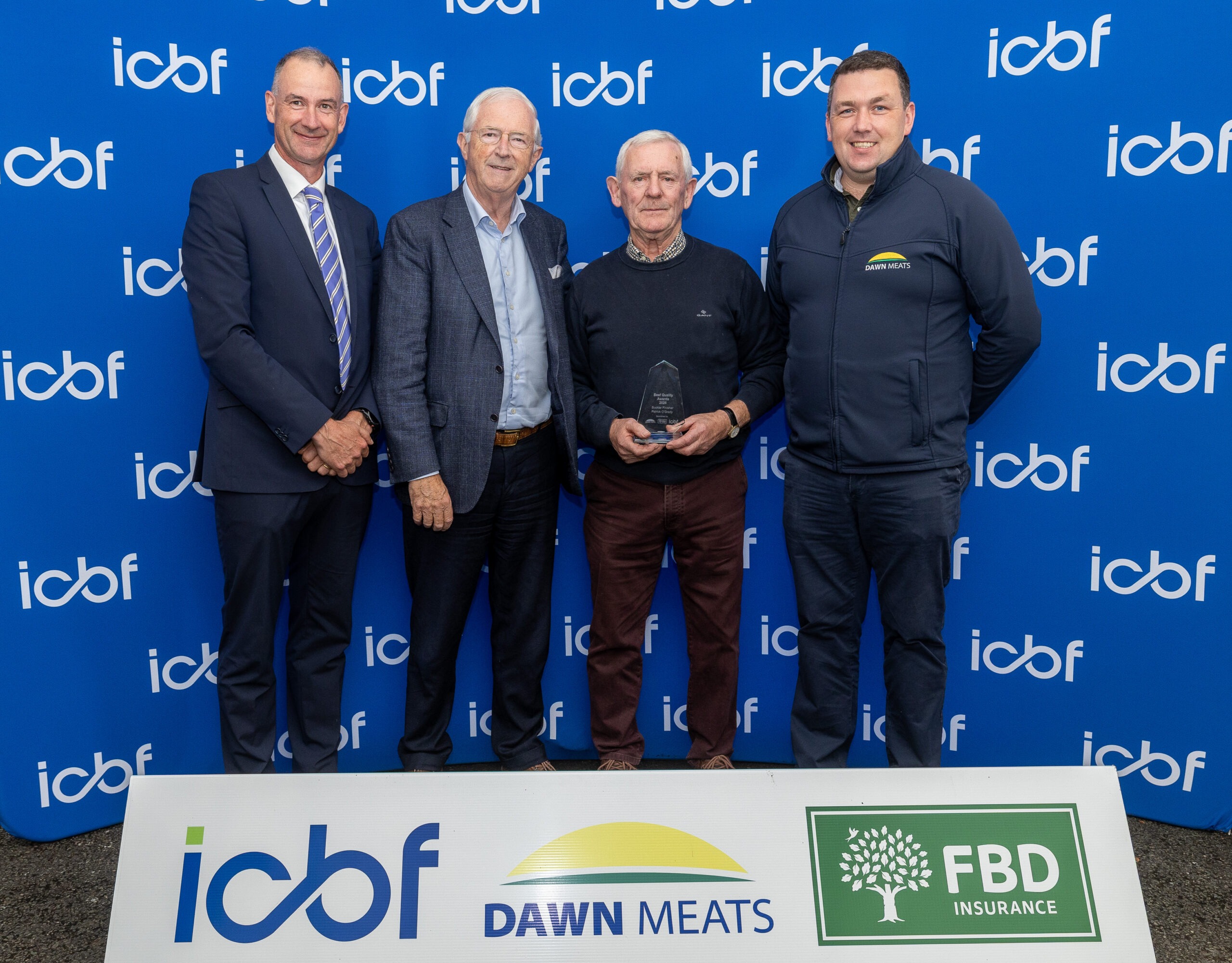
When the winners of the 2026 ICBF Beef Awards were announced at Tully, Co. Kildare, Patrick O’Grady from Newbridge was recognised as the 2026 Dawn Meats Suckler Animal Finisher Award. A lifelong farmer, Patrick has built a highly successful finishing system based on sourcing quality continental store cattle, strong stockmanship and a consistent focus on animal performance.
Patrick operates a mixed tillage and beef finishing enterprise in Newbridge, where the family have farmed for generations. Today, he continues to oversee the day-to-day operation, with support from his son-in-law, Richie, who has become increasingly involved in the business, particularly in relation to administration and record keeping.
Sourcing Quality Continental Store Cattle
The finishing system revolves around purchasing quality continental suckler-bred store cattle, mainly from the west of Ireland, at approximately 18 months of age. Patrick has been sourcing cattle from the west for many years and believes their breeding and quality play a major role in the success of the system.
As Patrick explains: “Good quality stores are getting harder to source. There is a lot of competition for them now, but if you can buy the right cattle they will perform well.”
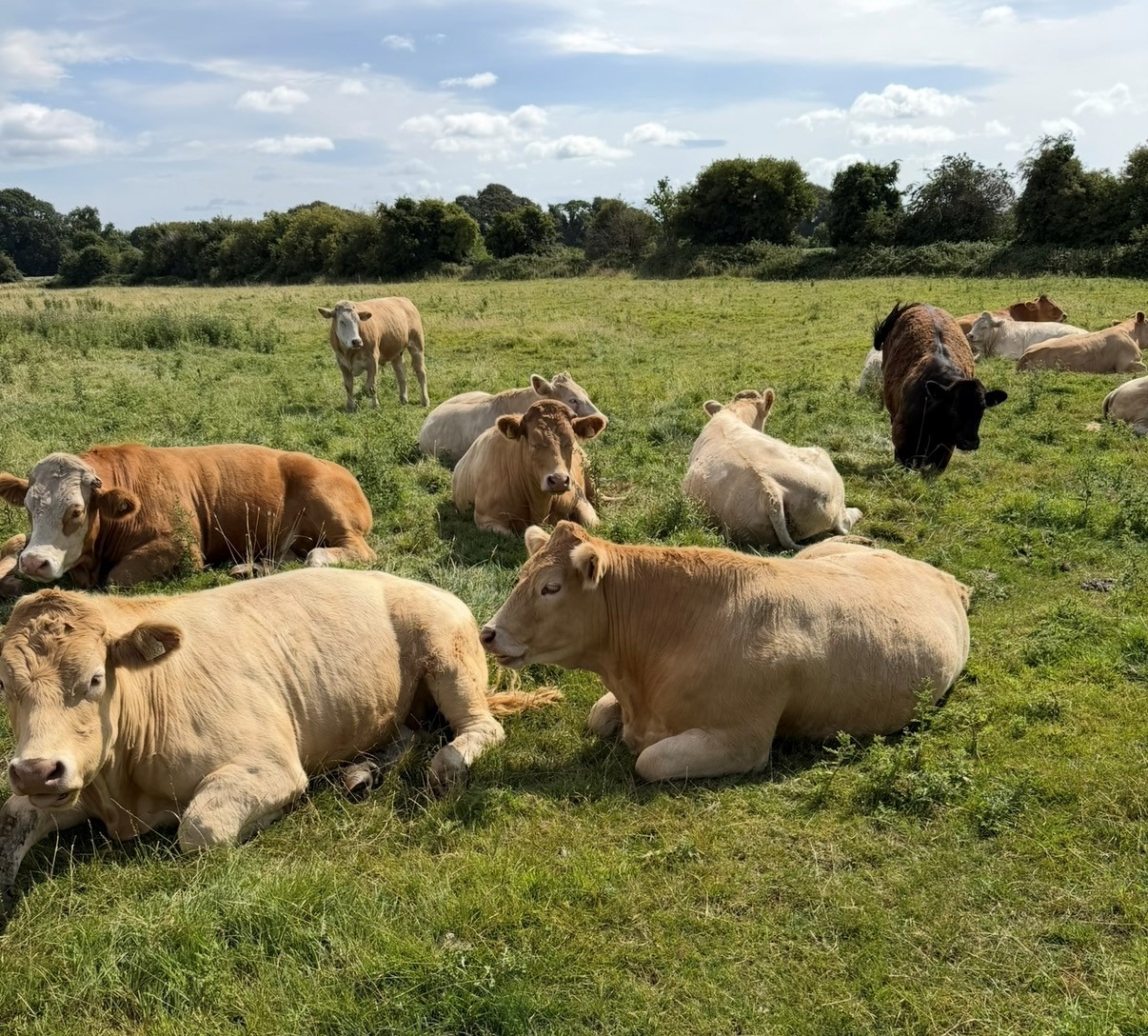
Purchased cattle generally arrive on the farm during the autumn and are managed in smaller groups, an approach Patrick believes delivers benefits from both a management and herd health perspective. “I like dealing with smaller batches. They are easier to manage, easier on the cattle and easier from a health point of view.”
A Grass-Based Finishing System
Cattle are grazed for as long as weather and ground conditions allow before housing for the winter period. While housed, cattle are fed baled silage and Wynns Super Beef nut, which Patrick finds works particularly well within his system.
Once turned back out to grass in the spring, cattle continue to receive supplementation, with a coarse ration fed at grass for approximately two months before slaughter. This finishing strategy allows Patrick to maximise the use of grass while ensuring cattle continue to perform strongly right through to slaughter.
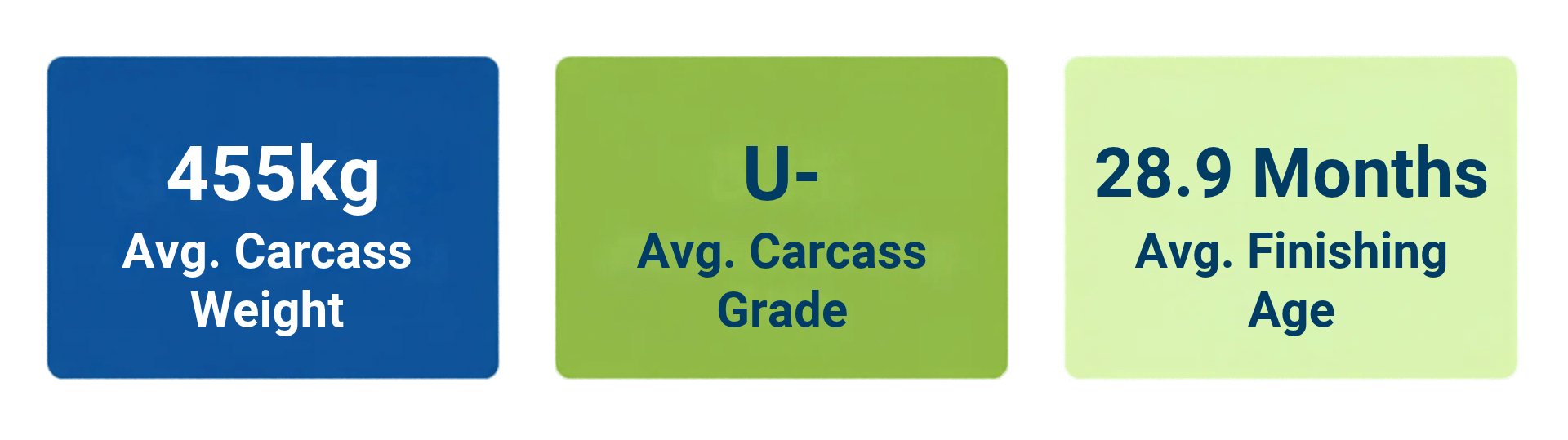
Animals are typically finished before reaching 30 months of age and the performance figures achieved within the system reflect the strength of this approach. In 2025, Steers averaged a carcass weight of 455kg while achieving an average carcass grade of U-. Finished cattle were slaughtered at an average age of 28.9 months, with the system consistently delivering strong carcass weights, grades and factory performance.
Commercial Beef Value (CBV) Delivering Results
Patrick’s excellent finishing performance is also reflected in the herd’s Commercial Beef Value figures.
The value of stronger genetics can clearly be seen when comparing the top and bottom CBV groups. Animals in the top third for Commercial Beef Value achieved an average CBV of €536, compared to €413 for those in the bottom third. While both groups were finished at a similar age profile of just under 29 months, the higher-CBV animals consistently outperformed the lower-CBV group.
The top-third cattle produced average carcass weights of 472kg, compared to 437kg in the bottom third, representing an additional 35kg of carcass weight per animal. They also achieved a full carcass grade improvement, averaging U= compared to U- for the lower-CBV group.
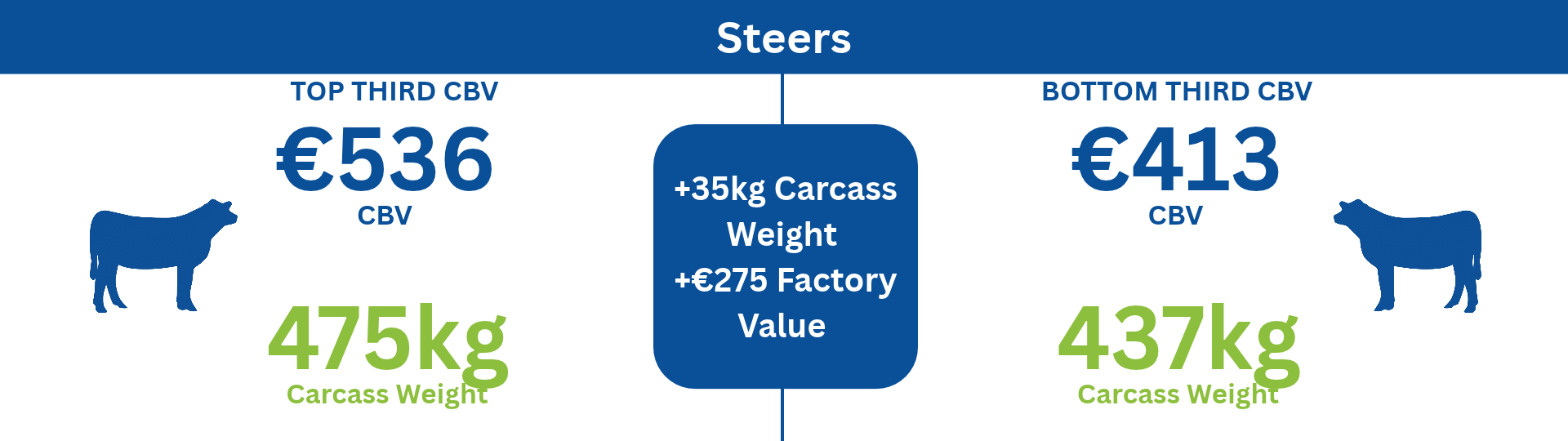
These performance gains translated directly into stronger financial returns. The higher-CBV animals generated approximately €275 more in factory value per head and returned an additional €0.35 per day over their lifetime.
The figures demonstrate that cattle with stronger genetic merit can deliver heavier carcasses, better grades and improved profitability without requiring additional time within the finishing system.
Herd Health Plan and Protocols
Attention to herd health is another important part of Patrick’s management strategy.
Purchased cattle receive routine vaccinations and dosing treatments when they arrive on the farm, while close observation throughout the winter helps minimise health challenges before they impact performance.
Although Patrick acknowledges that purchasing cattle always introduces some health risk, particularly when buying from multiple sources, serious disease issues are relatively uncommon within the herd.
Managing cattle in smaller groups helps reduce stress and allows issues to be identified quickly, contributing to the overall success of the finishing enterprise.
Supporting Local and Reducing Stress on Cattle
All finished cattle are supplied to Dawn Meats in Kildare Town, something Patrick takes particular pride in. “I think it’s important to support local where possible.”
Patrick also sees benefits from an animal welfare perspective. “It’s good on the cattle too. They’re not travelling long distances and that helps reduce stress.”
The proximity of the processing plant helps reduce transport time and ensures cattle arrive in a calm condition.
Patrick also values the support and advice provided by local agent Ger Fitzsimons on all aspects of cattle production.
The Challenges Facing Beef Finishers
While delighted to receive the award, Patrick remains realistic about the challenges facing beef finishers today.
“Store cattle are expensive, transport costs are high and there are a lot of expenses between buying and selling. Margins can be very tight.”
The rising cost of quality stores means finishers must be increasingly selective when purchasing cattle and ensure every management decision contributes towards performance and profitability.
Recognition for a Successful Finishing System
Patrick’s results demonstrate the value of careful stock selection, strong herd management and attention to detail.
The combination of quality continental store cattle, grass-based production, effective health management and strong genetic merit has created a finishing system that consistently delivers excellent results.
The significant differences in carcass weight, grade and profitability between the higher- and lower-CBV groups also demonstrate the value of genetic performance within commercial beef finishing systems.
Winning the 2026 Dawn Meats Suckler Animal Finisher Award is fitting recognition of Patrick’s commitment to producing high-quality finished cattle and the consistent performance being achieved on the farm.
Neil Ryan: ABP Suckler Animal Finisher Award Winner 2026
Cappamore farmer Neil Ryan explains how he finishes high-quality Limousin cattle, manages feed and health, controls costs and uses Commercial Beef Value when sourcing stock.
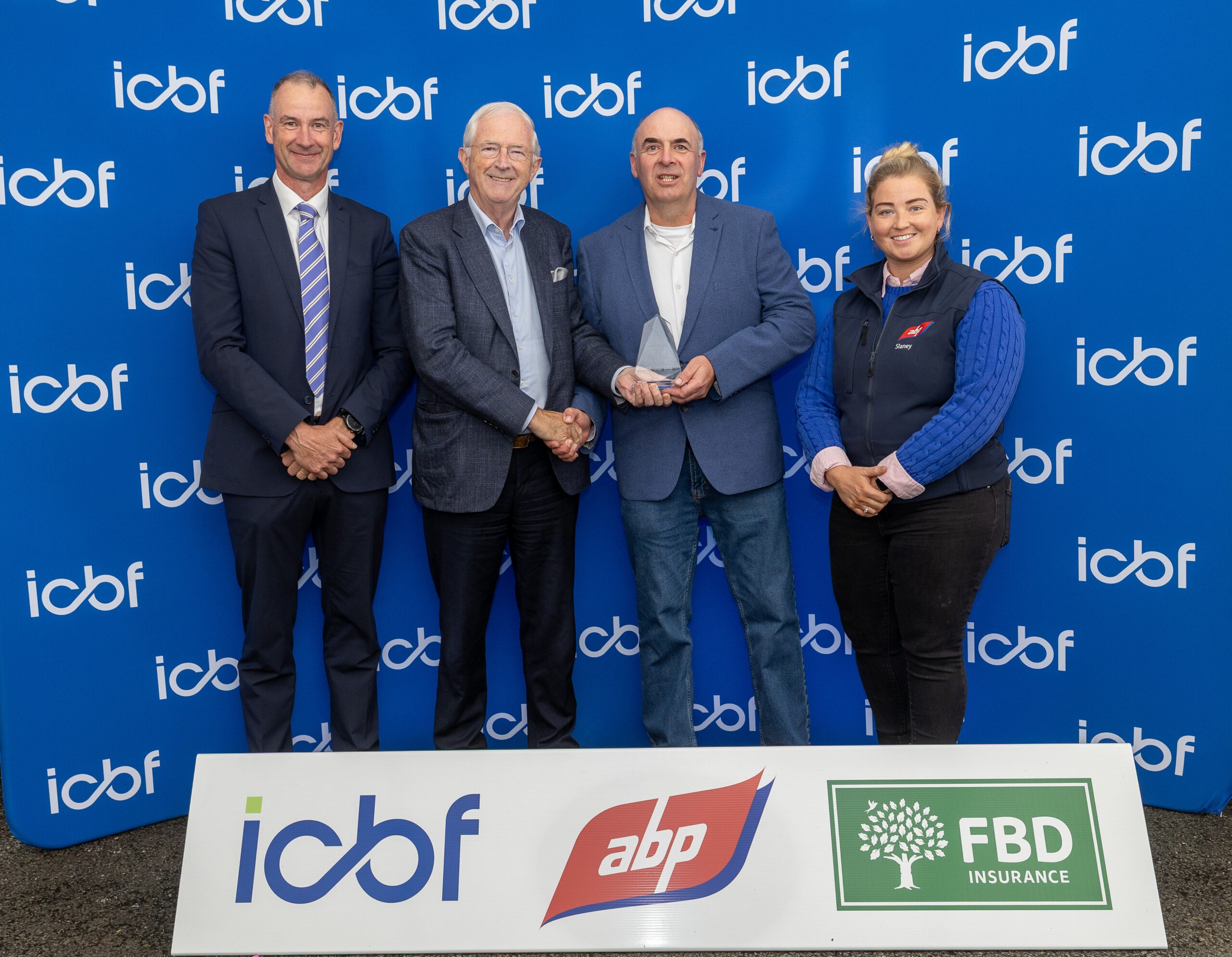
Neil Ryan from Cappamore, Co. Limerick was recognised as the ABP Suckler Animal Finisher Award winner at the ICBF Beef Quality Awards 2026. Operating a suckler weanling-to-finish system, Neil supplies ABP with up to 120 finished continental bulls and steers annually. Most cattle are purchased as suckler-bred weanlings at approximatley 400kg liveweight and are brought through to finish within a carefully managed finishing system.
Around 80% of cattle are purchased through Ennis Mart, with additional stock sourced from Sixmilebridge, Newport and Thurles depending on availability and trade.
Limousin the Breed of Choice for Neil
While Neil buys a broad mix of breeds, provided they are of sufficient quality, he has built up a strong preference for Limousin and Limousin-cross animals over the years, with the vast majority of cattle purchased having some proportion of Limousin breeding. As Neil puts it “I just like the shape of them. I like the length and the width and the hardiness of them.”
Neil also believes the Limousin breed has made significant progress in recent years, particularly in relation to docility. While the breed developed a reputation for being difficult to handle when it first arrived in Ireland, he no longer sees it as an issue, “I never have any bother with them that way. They have improved a lot.”
Feed and Health: Why Not to Push Too Hard
Neil finishes a mix of bull and steer beef at the end of a housed period of their second winter at the farm. All cattle are vaccinated with a 4-1 clostridial vaccine and are subsequently dosed with an anthelminthic. The animals are finished off a diet of high-quality haylage, with meal levels gradually built up to approximatley 8-9kg of meal per day.
One of Neil’s key pieces of advice to other finishers is not to over-feed cattle too early in the finishing period. “Feed well, but don’t over push them. You are nearly better to finish them all 2 weeks later than to over feed them. If not, you can end up with acidosis and other stomach issues. You end up having to pull individual cattle out of a bunch and it takes a long time to get them back right again”
Keeping Costs Down: No Chemical Nitrogen
Neil says the farm produces more grass than it requires and while not certified organic, he has not spread any artificial fertiliser since 2022. This prevents the need to sell excess silage while also eliminating a large bill each year for chemical N.
High Commercial Beef Value Shines Through in Top Beef Finishers
Neil was already aware of Commercial Beef Value (CBV) but has really started to notice recently the difference in performance of higher-CBV animals at finishing.
Neil’s young bulls had an average CBV of €476, achieving an average carcass weight of 440kg and an average conformation grade of U-. Even within a high-performing finishing system such as Neil’s, the benefits of stronger genetics were clearly evident.
The top third of young bulls for CBV averaged €533, compared to €416 for the bottom third. These higher-CBV animals finished approximately 0.6 months earlier, achieved a full carcass grade improvement to U= and produced carcasses that were 15kg heavier on average. They also generated approximately €148 more in carcass value per head and returned an additional €0.42 per day over their lifetime.
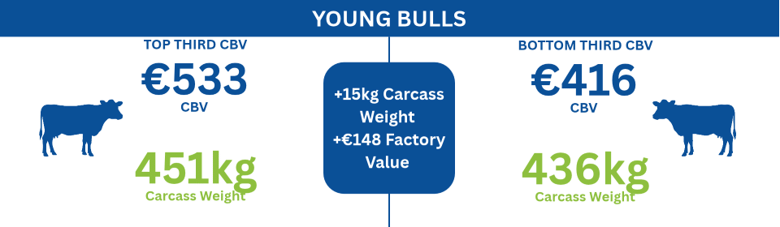
These figures highlight how higher-CBV animals can deliver earlier finishing, heavier carcasses and improved profitability, even within an already strong-performing finishing system.
When asked if CBV will become more important over time, Neil was clear in his view: “It will have to. It is an extra tool when buying.”
High Beef Price Means High Risk for Buyers
Neil has spent many years developing a finishing system that works well for him, while continuing to invest in farm infrastructure, including the construction of a new shed in 2018. He plans to maintain his current system and cattle numbers in the coming years, which he believes should “see him out to retirement.”
Rising costs and uncertainty are the two biggest challenges facing beef farmers, according to Neil. “Cost are high and it’s hard to make money. With the continental cattle, you are competing with buyers for live export market.”
He also points out that strong beef prices can be a double-edged sword. While higher factory prices are welcome, the cost of purchasing replacement cattle to finish has increased significantly, leaving finishers carrying much of the financial risk and uncertainty “There is a lot of risk when buying. It is fine while the factory price stays high, but a lot can change in a year!”
Turning Store Cattle into Top-Performing Finishers: Marcus Wallace’s Beef Awards Success
Donegal farmer Marcus Wallace discusses his transition from suckler farming to a store-to-finish system, his focus on Charolais heifers, grassland management and the simple principles that underpin his award-winning beef enterprise.
Marcus Wallace from Donegal was recognised as the Foyle Suckler Animal Finisher Award winner at the 2026 ICBF Beef Quality Awards, reflecting the strong finishing performance achieved within his store-to-finish enterprise.
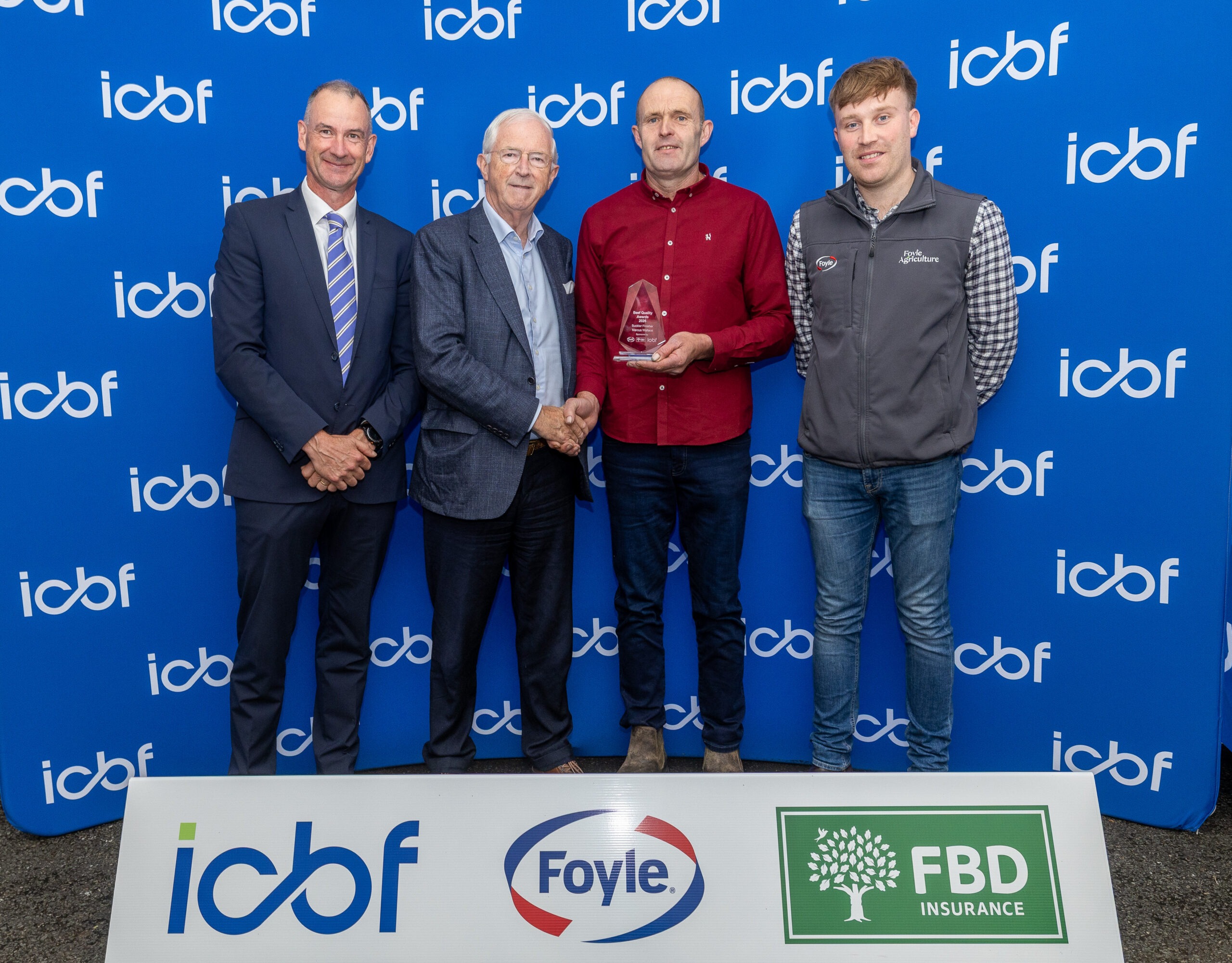
Marcus operates a mixed beef and sheep enterprise that has evolved significantly over the years. The farm, originally purchased by his grandfather, was passed down through the generations before Marcus took over at just 30 years of age when his father, Ronald, availed of the Early Retirement Scheme in 2002.
Today, Marcus manages 180 Suffolk × Texel ewes, which lamb from 20 March onwards to a Chartex ram, alongside a thriving cattle finishing enterprise, all while working full-time off farm. Marcus admits with a laugh, “I always thought I was a better sheep farmer than I was cattle.” The flock has achieved an impressive average scanning rate of 206% over the past 10 years, while this year’s lamb crop recorded an average carcass weight of 21.68kg. Lambs are marketed through the Donegal Lamb Group with 99% of them being sold.
From Sucklers to Store Cattle
The cattle enterprise has undergone considerable change in recent years.
In 2013/2014, with the demands of managing an off-farm job, Marcus made the difficult decision to sell the suckler herd and transition to a store-to-finish system. While he believes it was the correct decision for the farm and family at the time, he still admits, “I miss the sucklers daily.”
While the move significantly reduced labour requirements, Marcus retains a strong affection for suckler farming and the cattle he once bred on the farm.
Today, the majority of stock on the farm are Charolais heifers, which form the foundation of his beef finishing system. Marcus is highly satisfied with the breed’s performance and believes their growth potential, feed efficiency and carcass quality make them an excellent fit for his system.

Heifers are typically purchased between eight months and one year of age, or whenever they are, “a good weight for their age”. Stock is purchased in both spring and autumn, with Marcus having a particular appreciation for autumn-born calves. “I love autumn-born calves.” He notes their hardiness and ability to thrive within his system.
All stock aim to be finished at around 24 months of age, although some may finish as early as 22 months while others require additional time. Regardless, all are generally slaughtered by 26 months of age.
The quality of the cattle being finished is reflected in their performance at slaughter. Finished heifers achieved an average carcass weight of 445kg, an average carcass grade of U= and were finished at an average age of 24.9 months. Combined with an average lifetime return of €4.55 per day, these figures highlight the efficiency of Marcus’s store-to-finish system and the strong performance of the cattle selected for the enterprise.

Sourcing the Right Cattle
Purchasing decisions are particularly important within any beef finishing enterprise, and Marcus works closely with Curtis and Johnny Weir when sourcing cattle. He openly credits Curtis’s eye for quality stock as a major contributor to the farm’s success.
When asked what they look for when purchasing animals, both Marcus and Curtis gave the same answer without a second’s thought, “Height.”
Curtis explains that taller cattle typically have the capacity to develop into deeper-bodied animals capable of producing heavier carcasses at slaughter. Stock is sourced primarily through Inishowen Livestock Mart, better known locally as Carndonagh Mart, and Milford Livestock Mart. Marcus particularly notes that cattle purchased through Milford often perform exceptionally well.
The strong relationships built with suppliers and sellers over many years have become a key part of the farm’s success, providing confidence around animal quality, health status and breeding background before cattle ever arrive on the farm.
Beyond performance traits, Marcus also admits there are some less scientific preferences involved when buying cattle.
As Marcus explains, “I like a baby’s head on an animal. I know it won’t matter overall, but a pretty head is important.”
Commercial Beef Value Gaining Attention
Until recently, Commercial Beef Value (CBV) played only a limited role in purchasing decisions.
Marcus explains that sourcing cattle in Donegal can sometimes be challenging, with supply often coming from the same group of breeders year after year. However, after attending the recent Tully Open Day, his interest in CBV has increased considerably.

While visual assessment remains central to his purchasing decisions, Marcus now sees greater value in using CBV as an additional tool when selecting stock. He believes genetic information can help identify animals with stronger finishing potential and may play a greater role in future purchasing decisions.
Marcus’s strong finishing results also highlight the quality of the cattle being selected for the enterprise. Among Beef heifers, animals in the top third for CBV averaged an exceptional €548, while even those in the bottom third averaged a very respectable €408. These figures highlight the overall quality of the cattle being sourced and finished within the system. Higher-CBV animals still delivered additional performance advantages, producing carcasses that were 34kg heavier, achieving a higher carcass grade and generating approximately €172 more in factory value per head. They also finished almost one month earlier, demonstrating how genetics can further enhance performance within an already high-quality group of cattle.
While visual assessment remains central to purchasing decisions, figures such as these demonstrate how CBV can provide another useful tool when identifying cattle with strong finishing potential.
Grassland Management Driving Performance
Keeping the system simple and making the most of grass are principles Marcus stands by. During their first winter, cattle receive between 1kg and 1.5kg of meal per head per day before returning to grass in the spring. Even when cattle are being pushed for finishing, no more than 6kg of concentrates per head per day are typically fed.
Marcus firmly believes that grassland management, silage testing and regular reseeding offer some of the best returns on investment available on a dry stock farm. His involvement in the Teagasc/Irish Farmers Journal BETTER Farm Beef Programme from 2008 to 2012 undoubtedly helped shape this outlook. This strong focus on forage quality has contributed to success in the Aurivo Donegal Silage Competition, where he has been a prize winner in three of the last five years. Having reseeded 27% of the farm over the past two years alone, Marcus intends to continue investing in grassland improvement in the years ahead.
Herd Health
Herd health follows a practical and proactive approach, with vaccination programmes and preventative measures forming part of routine management. Marcus believes preventing problems before they occur is far more effective than treating issues after performance has already been impacted.
While he has not yet introduced a Bluetongue vaccination programme, he is monitoring developments closely and may implement one in the future if required.
Challenges Facing Beef Farming
Like many farmers, Marcus sees a number of significant challenges facing the sector.
One concern is succession. He understands why younger generations may be reluctant to enter the industry. “It’s a very expensive hobby to have alongside a full-time job, and it’s so challenging to make a livelihood at it, especially up our way.”
Marcus also highlighted the continuing decline in suckler cow numbers as a major challenge when trying to source suitable stock for finishing. “There are not enough suckler herds left.”
Rising costs have added further pressure. Reflecting on how much cattle prices have changed, Marcus notes that returns no longer stretch nearly as far as they once did.
“I used to be able to purchase a lot of cattle with the lamb money. Now… not a chance.”
With increasing amounts of capital tied up in livestock, rising diesel and fertiliser costs and continued market volatility, maintaining profitability remains a constant challenge.
Advice for Other Farmers
When asked what advice he would give to farmers operating a similar system, Marcus keeps it simple, “Do the small things fairly well and it will all fall into place.”
For Marcus, success is often about consistently getting the basics right rather than chasing quick wins.
Recognition for Years of Hard Work
Reflecting on receiving his Beef Quality Award, Marcus’s pride and appreciation are clear to see. The recognition reflects years of hard work, careful stock selection, investment in grassland management and a relentless focus on doing the basics well.
Holding the award in his hands with a shy smile, he simply says, “I really am thrilled with this. It means so much.”
By combining strong stock selection, grassland management and consistent attention to detail, Marcus has developed a highly successful store-to-finish enterprise and deservedly earned recognition as the 2026 Foyle Suckler Animal Finisher Award winner.
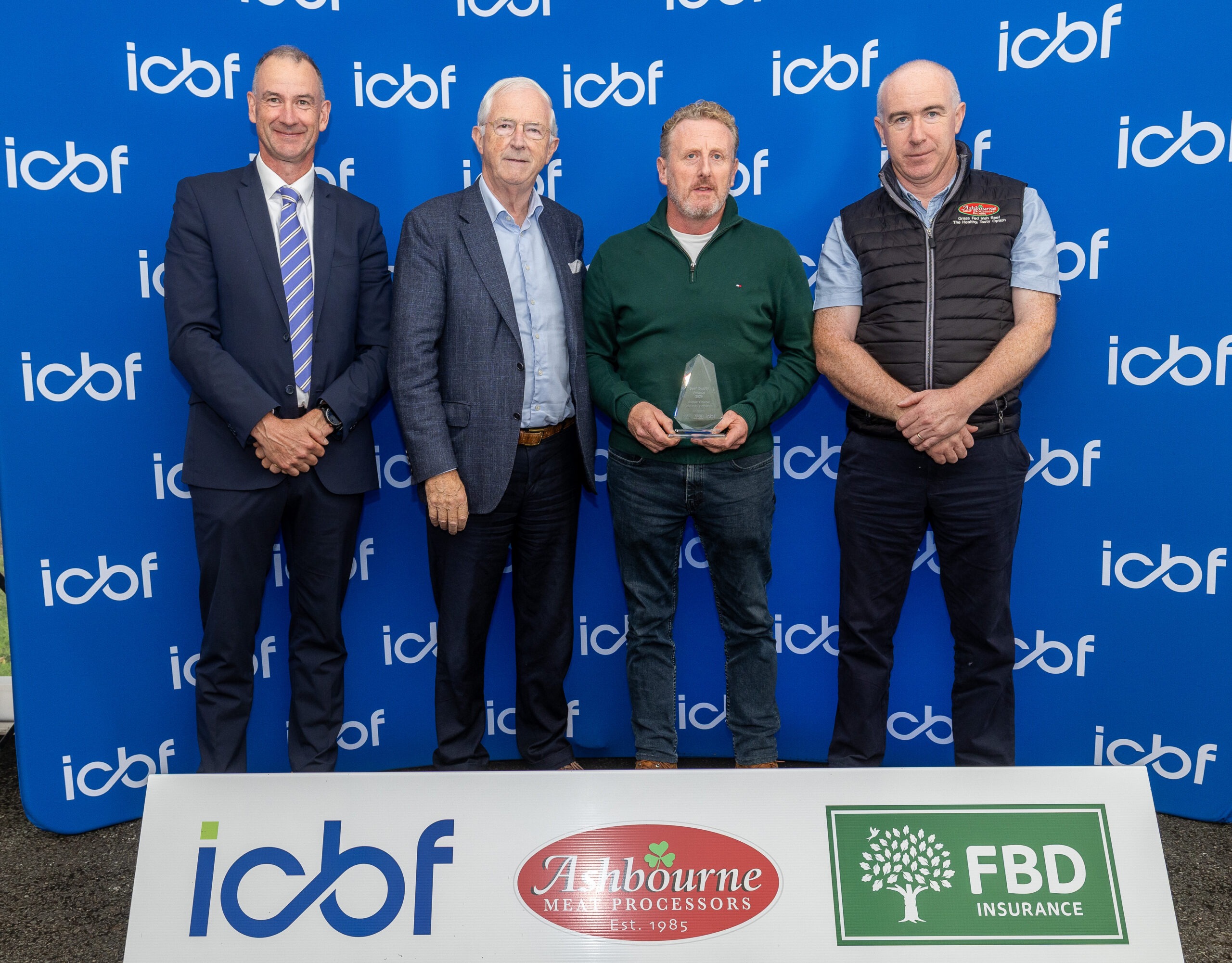
Today, John’s beef finishing system now involves purchasing heifers, mainly as weanlings from Roscrea Mart. John typically targets animals weighing around 350kg at 8-10 months of age. His rationale behind this is that he likes to have an animal that has thrived well as a calf on their mother as it is more likely to develop into a productive and profitable finishing animal.
Reducing Stress and Maintaining Performance
Once purchased, the animals are given access to feed and straw bedding indoors while also retaining access to a field. Allowing them to have this option ultimately reduces the stress on the animals when they arrive on farm. During their first 6-8 weeks on the farm, the heifers receive 1-2kg of meal daily to maintain performance, reduce stress levels and support adaptation to their new environment. They are also vaccinated for pneumonia at this stage, reflecting John’s belief that “prevention is better than cure”.
Making Grass Work Harder
A key feature of the system is the use of compensatory growth. During winter, cattle are fed high-quality silage ad-lib with minimal concentrate supplementation, helping to control feed costs while maintaining animal performance.
Once turnout conditions allow in spring, cattle are moved to grass as early as possible. John believes that excellent grassland management is one of the most important drivers of profitability in his beef finishing system. By closely monitoring grass growth, managing covers and grazing residuals, he maximises the use of Ireland’s cheapest feed source.
As a result, many of his heifers are finished directly off grass, with only a small amount of concentrate required for some animals during the finishing period.
Commercial Beef Value (CBV) Delivering Results
When asked about the Commercial Beef Value (CBV), John admitted that it was only within the last year that he began paying close attention to individual animals’ CBV figures and how they translate into final performance. Looking at his ICBF finishing profile, he believes the figures are clearly translating into stronger performance on farm.
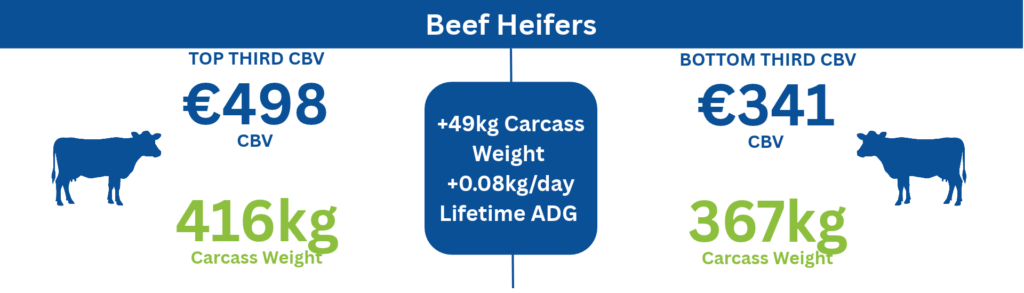
The data clearly demonstrates that higher-CBV animals within the herd deliver superior performance, achieving higher daily weight gain, heavier carcass weights and improved grading outcomes.
Commercial Beef Value figures from the herd highlight the strong performance of the cattle being selected and finished on the farm. Animals in the top third for CBV averaged an impressive €498, compared to €341 for those in the bottom third. These higher-CBV cattle also achieved stronger daily liveweight gain, averaging 0.75kg per day compared to 0.67kg per day, while producing carcasses that were 49kg heavier at slaughter (416kg versus 367kg). In addition, the higher-CBV animals achieved a U- carcass grade, compared to R+ for the lower-CBV group, demonstrating the significant impact genetics can have on finishing performance.
David Golden’s Progressive and Efficient Dry Stock System in Manorhamilton
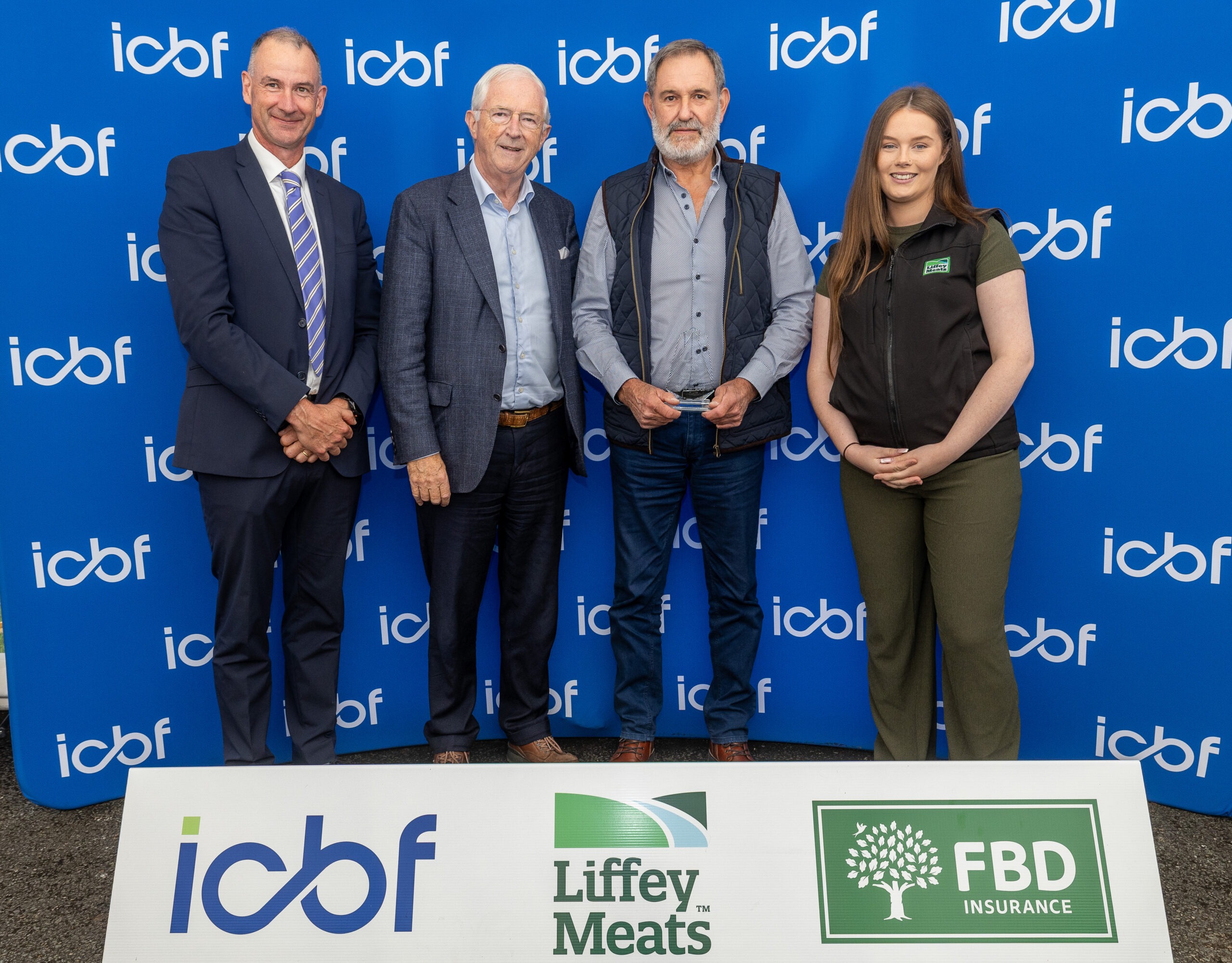
David Golden from Manorhamilton, Co. Leitrim was recognised as the Liffey Meats supplier winner in the Suckler Animal Finisher category at the ICBF Beef Awards 2026. Operating a specialised dry stock and sheep enterprise alongside his wife June and daughters Hillary and Lesley, David has developed a finishing system centred around quality livestock selection, strong grassland management and consistent finishing performance. The farm has been built on the values and work ethic passed down from David’s father, which continue to influence the way the enterprise is managed today.
Farming has always been part of the Golden family. David succeeded the farm from his father, a cattle dealer by trade and was also fortunate enough to inherit a farm from his uncle. Together, these opportunities helped him to develop the system he now operates today.
Prior to farming full-time, David worked extensively in agricultural contracting before moving fully into farming. As labour demands increased and the business evolved, he made the decision to move away from suckler cow production and focus on finishing high-quality beef cattle through a dry stock system better suited to his family’s lifestyle.
Building Upon Generations
The current farm comprises of approximately 200 acres, primarily owned with a small proportion of land rented. David describes it as ‘not bad for Leitrim ground,’ with reclaiming and reseeding carried out in recent years helping to significantly improve grassland performance.
Over the years, the family acquired additional parcels of land within a six-mile radius of Manorhamilton, helping to establish the farm’s current footprint. The addition of land inherited from his uncle, located just one mile from the home farm, further strengthened the farm business for David and his family and enabled him to expand the enterprise.
Becoming Specialised in Dry Stock Farming
Following David’s decision to move away from suckler cow farming, the enterprise then focused exclusively on dry stock and the purchasing of Continental weanling heifers and steers and bringing them to finishing, currently supplying Liffey Meats.
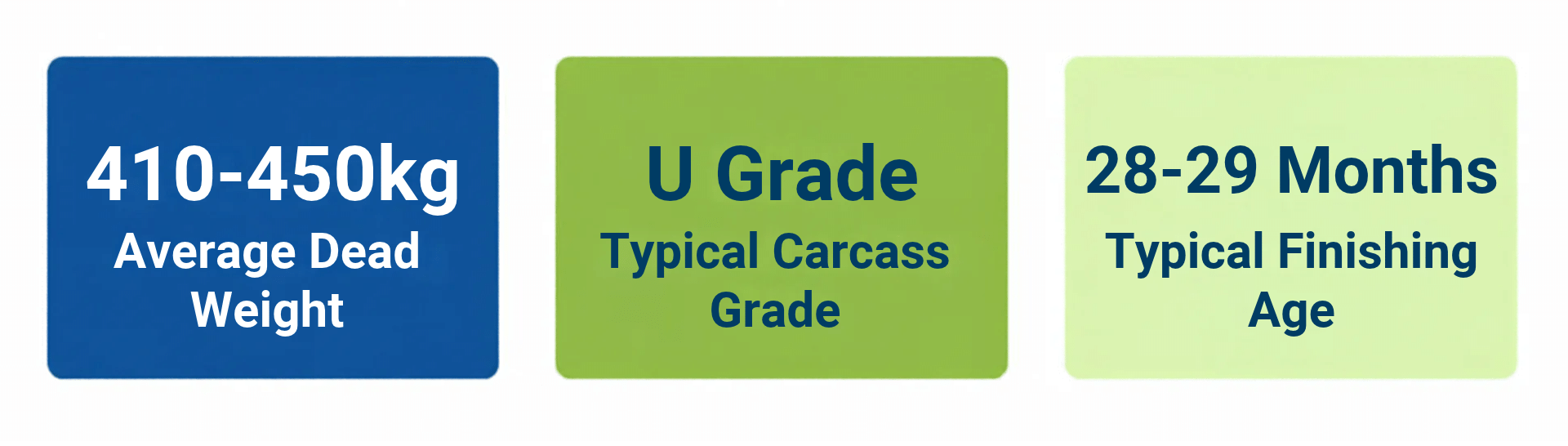
David selects cattle based on quality, sound breeding and their ability to perform efficiently within a finishing system. The incorporation of Charolais, Limousin and Belgian Blue genetics helps David achieve the finishing targets he has set out for the farm. Most cattle are finished before 30 months of age, with the majority finishing between 28 and 29 months.
Finished cattle typically achieve carcass weights ranging from 410kg to 450kg deadweight, with U grade carcasses the target outcome.
David believes that the quality of cattle available for purchase is linked to the quality of breeding taking place within the national herd. Where the sourcing of cattle may become more competitive, he believes that farmers who prioritise breeding quality livestock will be in the best position to meet market demands.
David is satisfied with the performance of his livestock and the functionality of the system. David believes the dry-stock system offers a more straightforward and labour-efficient approach than maintaining a suckler herd. While he enjoyed suckler farming, the move to finishing cattle allows him to focus on purchasing quality stock and bringing them through to finishing without the additional labour demands associated with breeding cows.
Grassland and Feeding Management
Grass remains the foundation of the finishing system and is the primary feed source throughout the year.
David aims to maximise grass utilisation, while winter diets are based primarily on silage and straw. Concentrates are sourced from Leslie’s Farm Supplies and Corby Rock, with no grain currently grown on the farm.
David believes in driving performance in animals right up to finishing, where the majority of his livestock will be finished indoors in an almost ad-lib feeding strategy.
David’s Insight into the Commercial Beef Value (CBV)
Although David has not extensively focused on the Commercial Beef Value (CBV) of animals purchased in the past, he feels that it will play a vital role in the sector for the future.
Where David would have traditionally looked at both the Replacement and Terminal Indexes when he was selecting bulls for his suckler enterprise, he recognises that the CBV differs by assessing the commercial performance of the animal rather than its breeding potential. He states that an animal with good breeding and that would be ‘easier done’ will always appeal greatly to him, where a strong emphasis on conformation remains one of his top criteria in sourcing his livestock.
David believes many of the high-quality cattle he has sourced over the years would naturally have had strong CBV figures, even before he began paying attention to them. In his view, CBV has the potential to make identifying top-performing animals much more straightforward and could become a useful tool when selecting cattle in the future.
CBV and Genetics Supporting David’s Finishing System
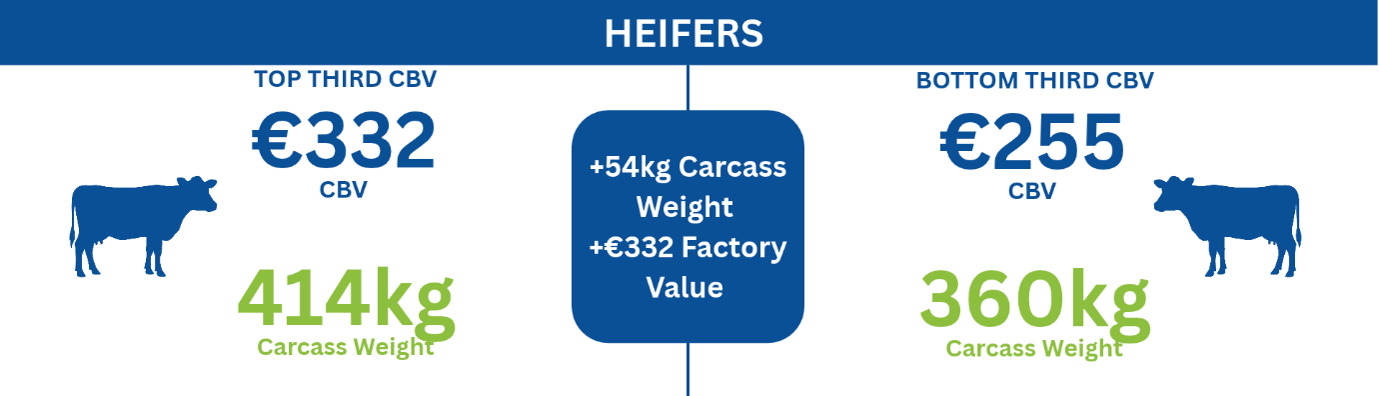
The value of genetics can clearly be seen in the performance of cattle finished from the farm. Animals in the top third for Commercial Beef Value averaged a CBV of €332, compared to €255 for those in the bottom third.
While both groups were finished at a similar age profile of approximately 28 months, the higher-CBV cattle produced average carcass weights of 414kg, compared to 360kg for those in the lower-CBV group. This difference of 54kg per animal highlights the impact stronger genetics can have on finishing performance and profitability.
Higher-CBV animals also generated approximately €332 more in factory value per head, reinforcing David’s view that quality breeding continues to play a major role in producing cattle capable of delivering strong commercial returns.
Herd Health Plan & Protocols
Once animals are purchased and brought onto the farm, they are met with a carefully managed herd health plan. All livestock will be vaccinated according to age and risk factors for diseases such as Blackleg and IBR, dosed for worms and fluke and treated individually should issues arise.
The Golden family believe that this proactive approach helps minimise disease challenges and prevents health issues from disrupting finishing performance.
Becoming Resilient through Challenges in the Sector
David, like many farmers across the country has faced his fair share of weather-related challenges in recent years, however the Golden’s are fortunate enough to be in a position where drought plays a very limited role on their farm. Through the generous supply of water from surrounding water bodies, River Bonet and Lough Gill, grass growth has remained relatively unaffected during prolonged dry spells and livestock have continuous access to water during the grazing period.
David believes some of the biggest challenges facing the beef sector are market volatility and rising input costs. As a beef finisher farmer purchasing store cattle, David emphasises the uncertainties involved in buying livestock, where the farmer will not know what the beef prices will be until the point of finishing. In recent times, across three consecutive days alone, he found that at mart level animals had risen by as much as €100 per head, stressing the difficulty finishing farmers face when balancing growing input costs against uncertain returns at the end of the production cycle.
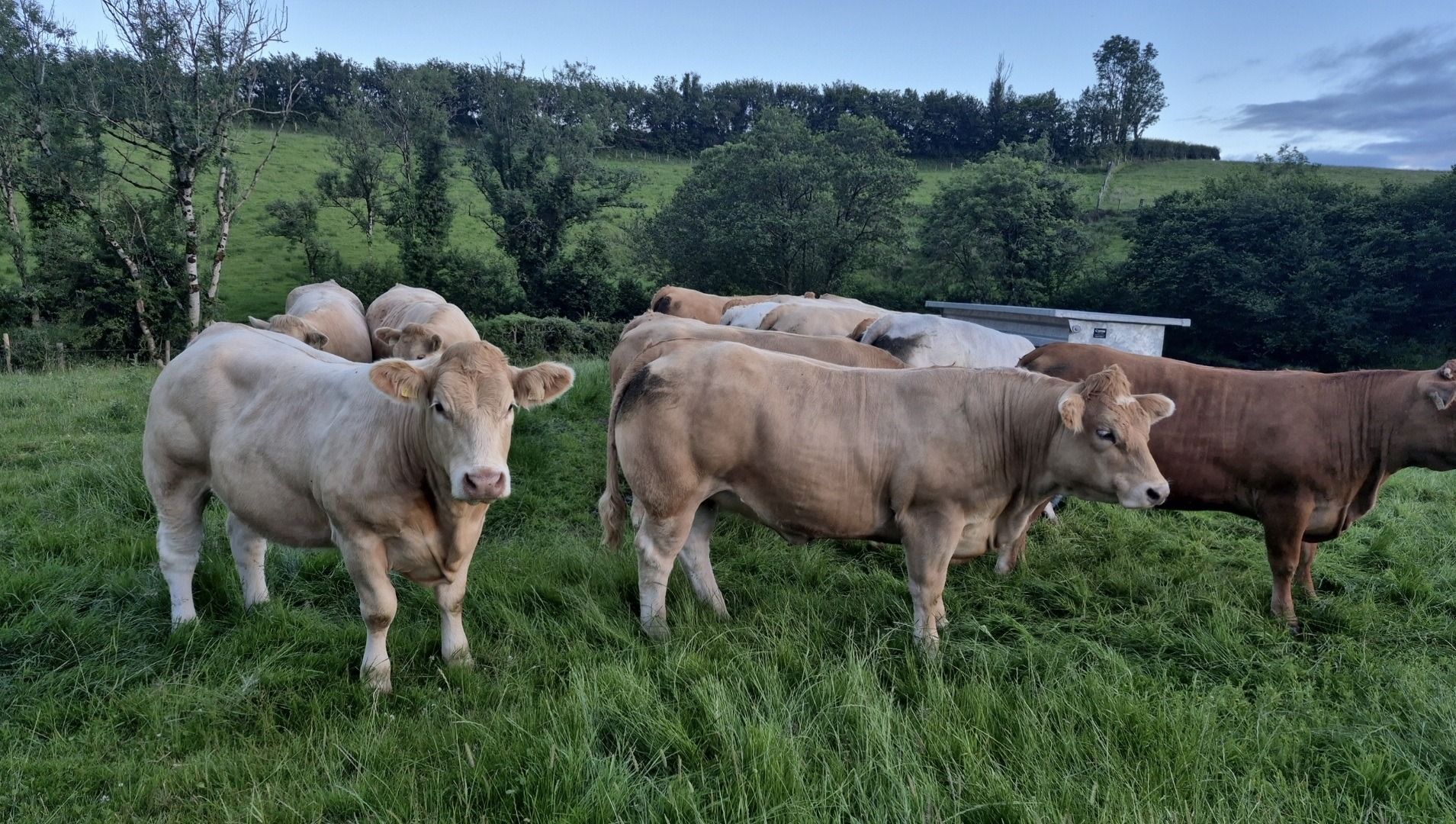
Succession Talks and Looking Ahead to the Future
The strong passion for agriculture has seeped through generations of the Golden family, providing a positive and encouraging image for the future of this farm. David’s daughter, Hilary, has already begun building her own farming enterprise. Alongside her involvement on the home farm, she has taken ownership of part of the original holding and is developing her own herd, with plans to incorporate in-calf heifers in the coming years.
Lesley, although working full-time, also continues to play a vital role on the farm, regularly taking responsibilities for covering the night shifts in the peak of lambing season.
The future of the farm looks promising, with the next generation already playing an active role in the enterprise.
Building on Tradition and Performance
Through generations of careful livestock selection, strong grassland management and consistent attention to performance, David Golden has developed a finishing enterprise that continues to deliver strong results year after year. The relationship between higher CBV and improved finishing performance is becoming increasingly evident within the system, reinforcing the importance of strong genetics alongside practical management. Recognition as the Liffey Meats Suckler Animal Finisher Award winner at the ICBF Beef Awards 2026 reflects the success of that approach and the strong performance being achieved on the farm today. With the continued support of his family and the next generation becoming increasingly involved, the future of the Golden farm looks bright.