
CBV and Mixed Farming: ABP Dairy Farmer Finisher Rory Dunne
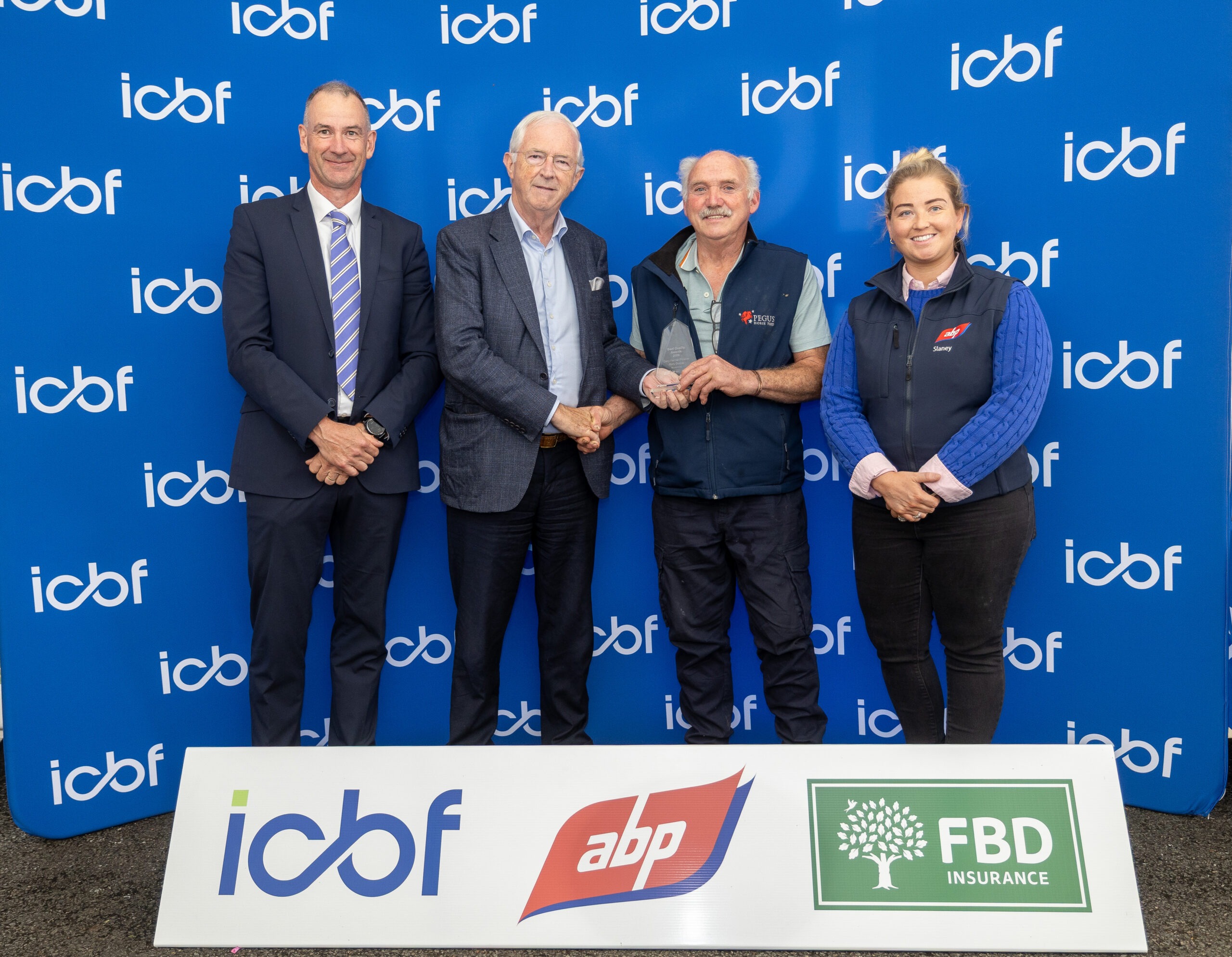
Rory Dunne from Borrisokane, Co. Tipperary was recognised as the ABP Dairy Farmer Finisher Award winner at the ICBF Beef Awards 2026, reflecting the performance achieved across his integrated dairy-beef enterprise.
Farming alongside his wife Lucy, daughter Michelle and long time staff member Peter Moyles, Rory manages a 250-acre operation centred around a 106-cow dairy herd. The dairy herd supplies cattle for beef finishing with ABP, while store lambs and tillage add diversity. Rory’s approach combines dairy-beef production, crop rotation and home-grown feed to improve resilience to changing markets and weather. He comes from a strong farming tradition, with his father Michael purchasing the farm in 1968 and Rory taking charge from 1972. Staff member Peter Moyles, has worked alongside Rory since 1987 and is now considered family. Peter takes ownership of all tractor work leaving Rory to work with the stock which he prefers.
How Mixed Farming Improves Flexibility and Resilience
While mixed farming brings additional challenges, Rory believes the benefits outweigh the drawbacks. The tillage enterprise plays an important role through crop rotation and helps improves the farms self-sufficiency in feed production. The store lambs complement the dairy and beef enterprises by improving grass utilisation and helping maintain sward quality across the farm.
Overall, Rory feels the mixed nature of his farm allows him to be more flexible and adaptable to market trends. He will adjust the number of store lambs bought or dairy beef heifers kept each year to suit the current beef and lamb prices and weather conditions. For example, Rory would typically buy and fatten up to 300 store lambs, but he has scaled back to 100 this year due to the particularly dry summer and the reduced availability of grass.
As Rory puts it “I think it is important not to have all your eggs in one basket. Generally, if it is a bad year for beef, it might be a good year for tillage or sheep or one of the other systems and vice versa, and so you are not hit as hard”
Breeding from Dairy Cows for Beef Finishing Performance
The dairy herd is the foundation of both the milk and beef enterprises. Rory’s dairy cow herd ranks just outside the top 10% nationally for Fertility Sub-index while still sitting within the top 30% for Milk Sub-index. This is reflected in an average calving interval of 375 days, comfortably ahead of the national average. The beef sub-index of the herd is slightly below average however, something he takes into consideration when choosing beef sires.
Rory’s replacement strategy for the dairy herd has traditionally been to buy in-calf dairy replacements from a Cork herd with which he has a long-standing relationship. These heifers are initially served with Holstein Fresian sexed straws, followed by a mix of Angus and Limousins for repeats. While Rory has recently started using some dairy AI to reduce his TB risk, the main dairy herd is typically covered by a team of Aubrac stock bulls.
Rory likes Aubracs because they combine calving ease and short gestation with strong finishing performance. Their strong beef sub-index helps counteract the slightly lower beef sub-index of the dairy herd and has made them an increasingly important part of the system.
The Angus, Limousin and Aubrac heifer calves born from the dairy herd are retained each year for finishing. Depending on feed availability and cattle prices, additional dairy-beef steers born on the farm may also be kept.
Feed Efficiency, Forage Crops and Dairy-Beef Finishing
Feed efficiency is a key part of Rory’s system, helping to manage both stocking rates and labour requirements. After being weaned and turned out to grass, the dairy-beef calves retained are outwintered on forage crops such as kale and Redstart during their first winter. These forage crops provide good nutrition to support growth while also helping to manage housing and labour costs.
Following a second grazing season, the cattle are brought indoors from late September or October for a final intensive finishing period on silage and home-grown barley. The animals are finished with ABP between 22 and 24 months of age and must all be gone by February to free up time, labour and housing ahead of the dairy calving season.
Giving the Calf the Best Start: Vaccination and Early Nutrition
Good calf health start with good cow health for Rory. The cows are vaccinated during pregnancy to reduce calf scour, while all stock are vaccinated against IBR, Salmonella and lepto. This is reflected in an exceptionally low calf mortality rate.
In Rory’s opinion, giving calves the best possible start is critical. Good colostrum is the foundation, followed by whole milk for the first month before calves are transitioned onto milk replacer. Once weaned, calves receive plenty of meal during their first summer at grass and are allocated the best grazing available on the farm.
The Growing Importance of Commercial Beef Value (CBV)
Commercial Beef Value (CBV) has become more firmly established in Rory’s decision-making over the past year. He finds it particularly noticeable among the Aubrac calves, which have strong CBVs despite not always standing out visually at a young age.
As Rory explains, “The Aubracs typically don’t look particularly special as calves, but they catch up really well and finish really strongly.”
The impact of stronger genetics can clearly be seen in the performance of cattle finished from the farm. While Rory’s dairy-beef heifers averaged a CBV of €179, the top third of animals averaged €258 compared to just €109 for the bottom third. This difference was clearly reflected in performance, with the higher-CBV animals finishing almost two months earlier, producing carcasses that were 16kg heavier and achieving a full conformation grade improvement.
As a result, these animals generated approximately €169 more in factory value, equivalent to an additional €0.55 per day over their lifetime.
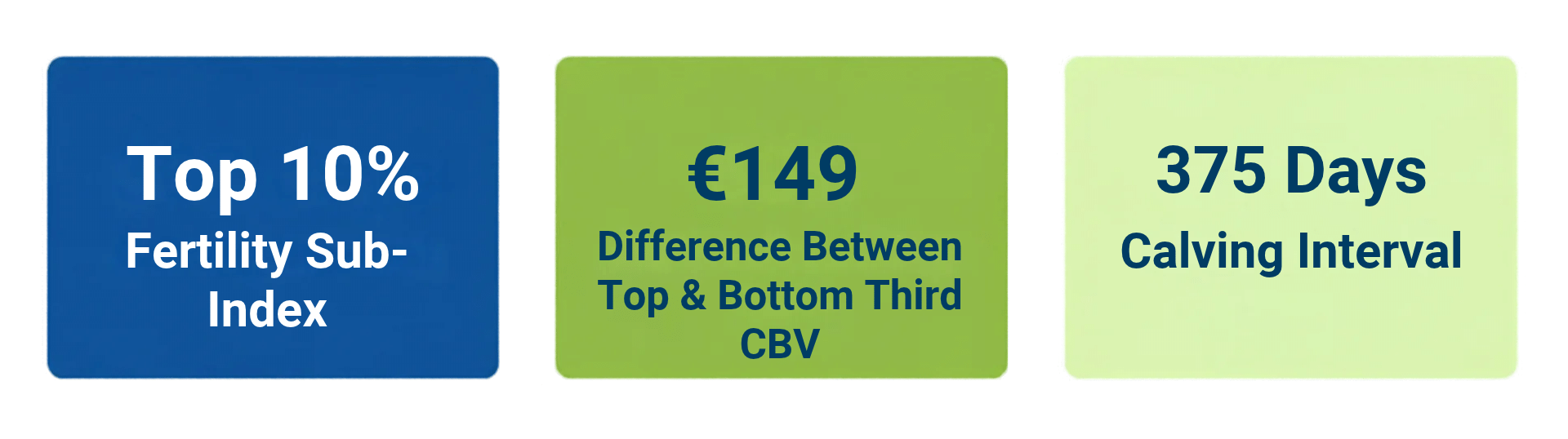
In Rory’s opinion, CBV is certain to become increasingly important. His experience with the Aubracs, together with the clear performance differences between higher- and lower-CBV animals, means that CBV is becoming a more important factor when deciding which calves to keep and which stores to purchase.
As Rory puts it himself, “You can’t beat the science!”
NGP and Dairy Beef Weighing: A “No Brainer”
Rory participates in both the Dairy Beef Weighing Scheme and the National Genotyping Programme (NGP) and considers participation in such schemes a “no-brainer”. Weighing the calves gives Rory early insight into how they are performing and it makes it makes perfect sense to take the financial support available.
The NGP was also an easy decision for Rory, who believes that genotyping calves at birth is a “great idea”. In particular, he values the insight it provides into the performance of his stock bulls and identifying which ones are truly “doing the business”.
Looking Ahead: Controlling Costs and Building Farm Resilience
As with many farm businesses, Rory sees rising costs, particularly feed and fertiliser, as the biggest challenge facing the enterprise.
“I try and grow as much of my feed as possible myself to give myself the best chance of keeping costs down. I give myself options too with the crop rotations. By growing a mix of barley, kale and redstart, I always have options and I am not as much at risk to weather etc like this summer. I use lots of clover to keep the fertilizer bill down and I am considering using the multi-species sward in the future”
Rory believes that maintaining a fair price for beef is critical for the future of farming. While he feels dairy farmers are becoming increasingly aware of the importance of breeding calves with stronger beef potential, he still believes further progress can be made. “Dairy farmers need to give the dairy-beef industry a better calf to work with.”
At the same time, Rory stays optimistic about the opportunities available within Irish agriculture.
“We are very lucky to have the climate that we have. We only really appreciate it in a wet year or a dry year like this one. Given what we have, we should be selling everything as a premium product rather than as commodities.”
Award-Winning Dairy Beef Finishing System Delivers Results in Tipperary
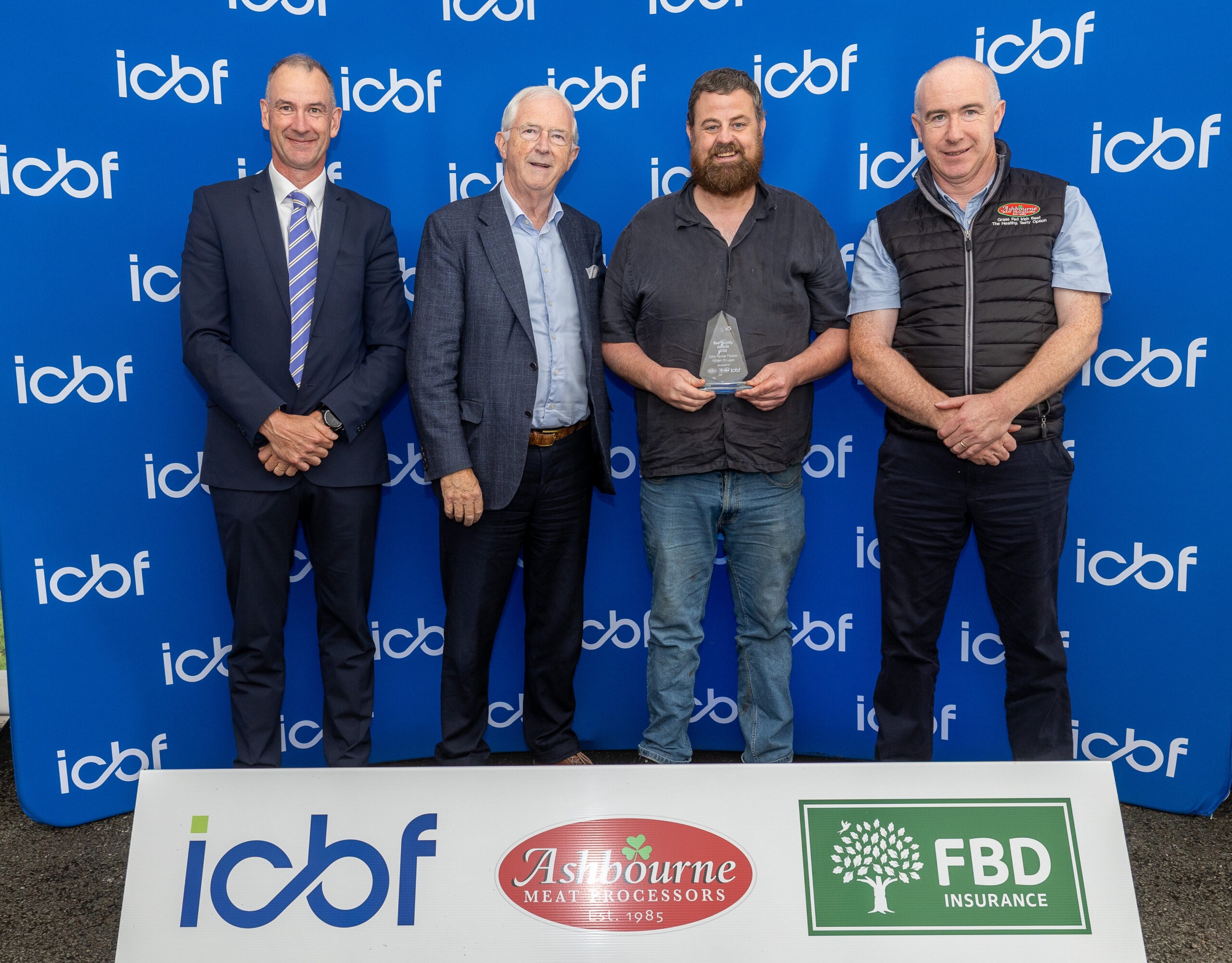
William St Leger from Knock, on the Tipperary/Laois border, was crowned Ashbourne Meats Dairy Farmer Finisher at the 2026 ICBF Beef Quality Awards, which took place in Tully on September 8th.
William inherited the farm from his father, who played an important role in shaping the enterprise and William’s approach to farming. His father remained actively involved on the farm into later life and is greatly missed by the family
Although dairy farming is his primary enterprise, William has developed a highly successful beef finishing system built on quality cattle, careful management and attention to detail.
William operates a simple but highly effective system. He milks 70 Holstein Friesian cows, producing just under 500kg of milk solids per cow, while also rearing all calves on whole milk before bringing them through to slaughter. The success of the system demonstrates the value of careful management and attention to detail.
Breeding Strategy
William’s breeding strategy is straightforward. All cows are bred using AI sires, followed by a stock bull to serve any cows that remain empty. Interestingly, he uses only beef AI straws on the herd, with an Angus stock bull running with the cows towards the end of the breeding season. Replacement Friesian heifers are then purchased externally.
The herd is predominantly spring calving and relies heavily on grazed grass as the main feed source. In recent years, William has become particularly fond of the Aubrac breed, believing it offers all the traits he looks for, including short gestation, easy calving, strong average daily gain (ADG), good carcass traits and excellent temperament.
Alongside Aubrac sires, he also uses Hereford, Limousin, Belgian Blue and Angus genetics.
William places significant emphasis on the Dairy Beef Index (DBI) when selecting AI sires and believes it plays a key role in delivering cattle with superior growth, carcass traits and overall profitability.
Feeding Strategy
The feeding system on the farm is equally simple and effective, based on grass, silage, meal and milk for young calves.
Newborn calves receive their own mother’s milk during their first few days of life before moving onto whole milk from the parlour. Calves are increased to 6 litres of milk per day as quickly as possible to maximise early-life growth and development.
Fresh water is always available, and after 7 to 10 days calves are introduced to roughage and concentrates.
Calf care is something William takes great pride in. He recalls how his late father loved feeding calves during the spring and continued doing so right up to the day he passed away at the age of 89 and has been a significant loss on the farm. Maintaining high standards of calf husbandry remains an important part of the farm today.
William aims to turn calves out to grass at the earliest opportunity. Meal supplementation continues during the early summer as calves adapt to grazing. Afterward, cattle are reared primarily on grass and silage, with only minimal concentrate supplementation.
Commercial Beef Value (CBV) Delivering Results
Although William admits he does not pay close attention to CBV figures, as many animals are finished between 30 and 36 months of age, his Beef Benchmarking Report shows clear differences in performance between higher and lower-performing cattle.
Despite not actively selecting cattle based on CBV, the data still highlights the performance advantages associated with higher genetic merit animals within the herd.
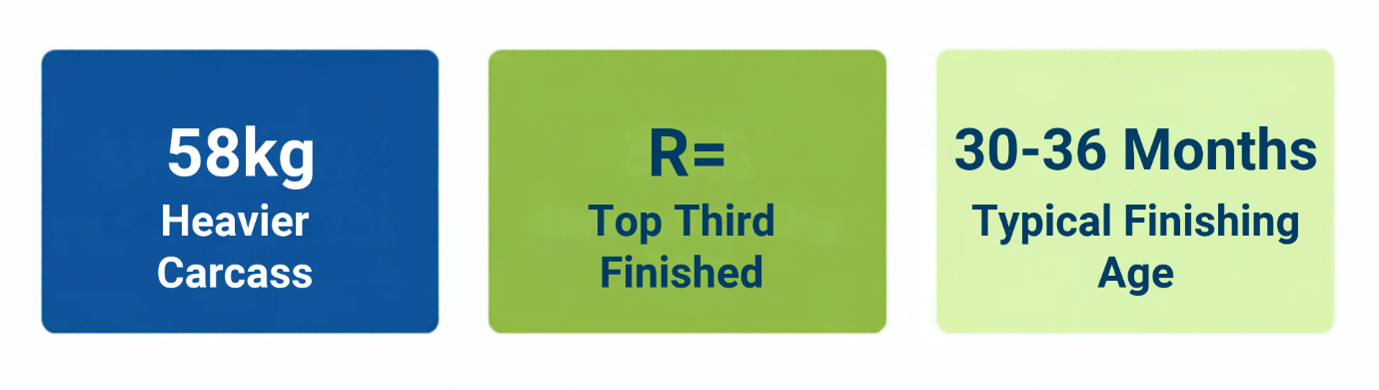
Comparing his top third of animals against the bottom third reveals a 58kg difference in carcass weight and an improvement of one full carcass grade, from O+ to R=.
William believes these results stem largely from the emphasis he places on the Dairy Beef Index when selecting sires.
The results demonstrate that higher-performing cattle within William’s herd deliver heavier carcasses and improved grading performance at slaughter.
Maintaining a Healthy Herd
William adopts a selective treatment approach when it comes to animal health. Rather than treating cattle routinely, animals are dosed or medicated only when required.
His aim is to minimise unnecessary treatments, both from an animal management perspective and because cattle ultimately enter the food chain.
Rising costs for vaccines, dosing products and veterinary medicines have further reinforced the importance of preventative herd management.
Challenging Times in Farming
Like many farmers, William identifies worsening weather conditions and the increasing difficulty of sourcing labour during busy periods as some of the biggest challenges facing the industry today.
He believes these challenges are common across the country and may discourage some young people from entering farming.
While weather and labour availability remain major concerns, William believes efficient systems and good planning can help farmers navigate these challenges.
Thinking About the Present and the Future
Despite these challenges, William remains optimistic about the future.
He describes himself as being “happy out” with how things are progressing on the farm. Both the dairy and beef enterprises are performing strongly, as demonstrated by his success at the ICBF Beef Finishing Awards.
When asked what advice he would offer to other farmers in a similar position, William highlighted the importance of maintaining a social life.
“Farming can be a very isolated occupation,” he explains. “Some farmers may spend the entire day working with livestock and have very little interaction with other people. Taking time to socialise and get away from the farm can be hugely beneficial.”
For William, maintaining balance is just as important as producing high-quality cattle. His success demonstrates that profitable dairy beef production is built not only on strong genetics, calf management and grassland utilisation, but also on creating a farm system that is sustainable for both livestock and farmer.
Strong Cow Genetics and Beef Performance Drive Dairy Farmer Finisher Success for Liam Phelan
Dawn Meats Dairy Farmer Finisher Award winner Liam Phelan discusses how high-performing Fleckvieh-cross cows, carefully selected beef sires and a focus on calf quality are delivering profitable dairy-beef cattle in Co. Kilkenny.
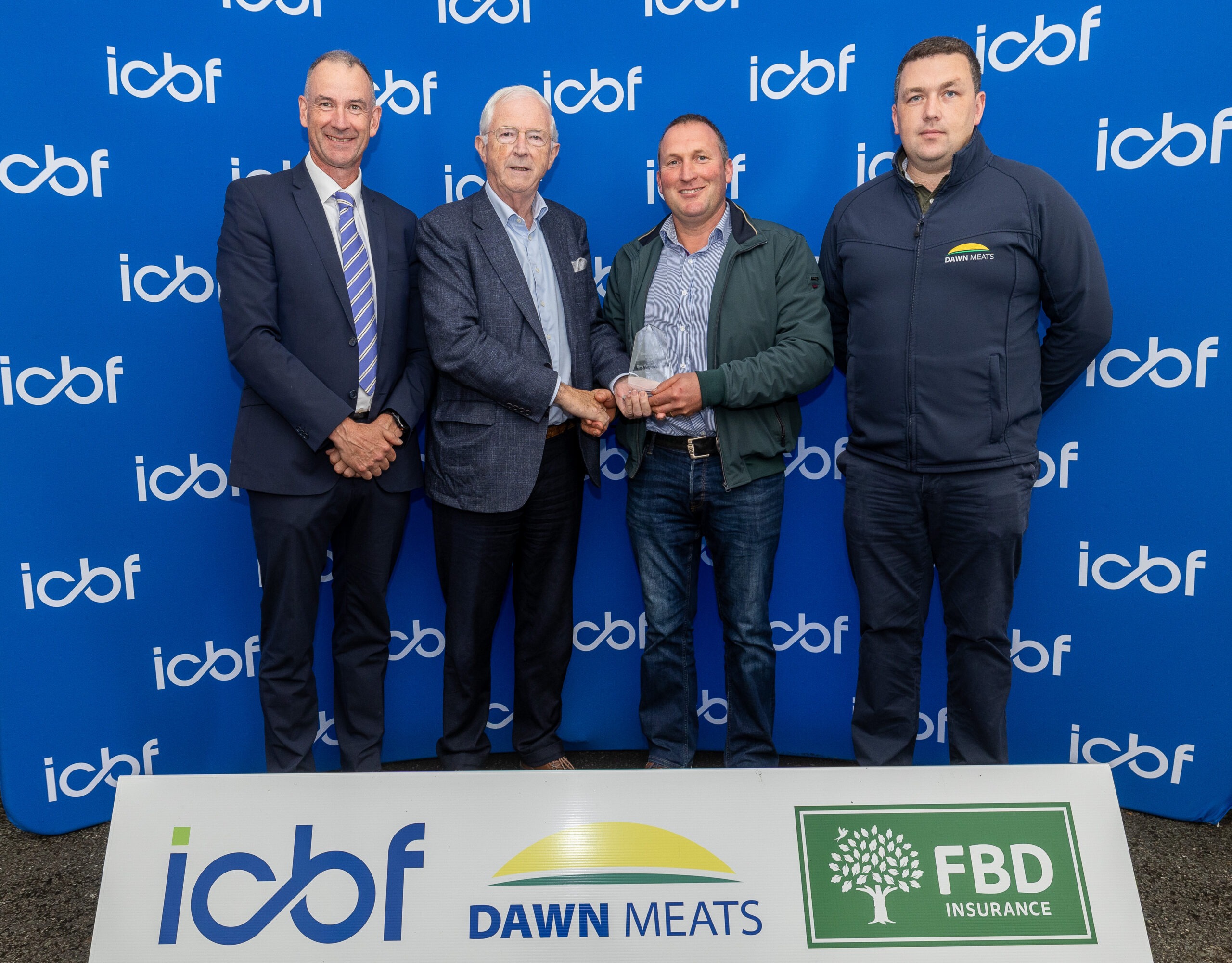
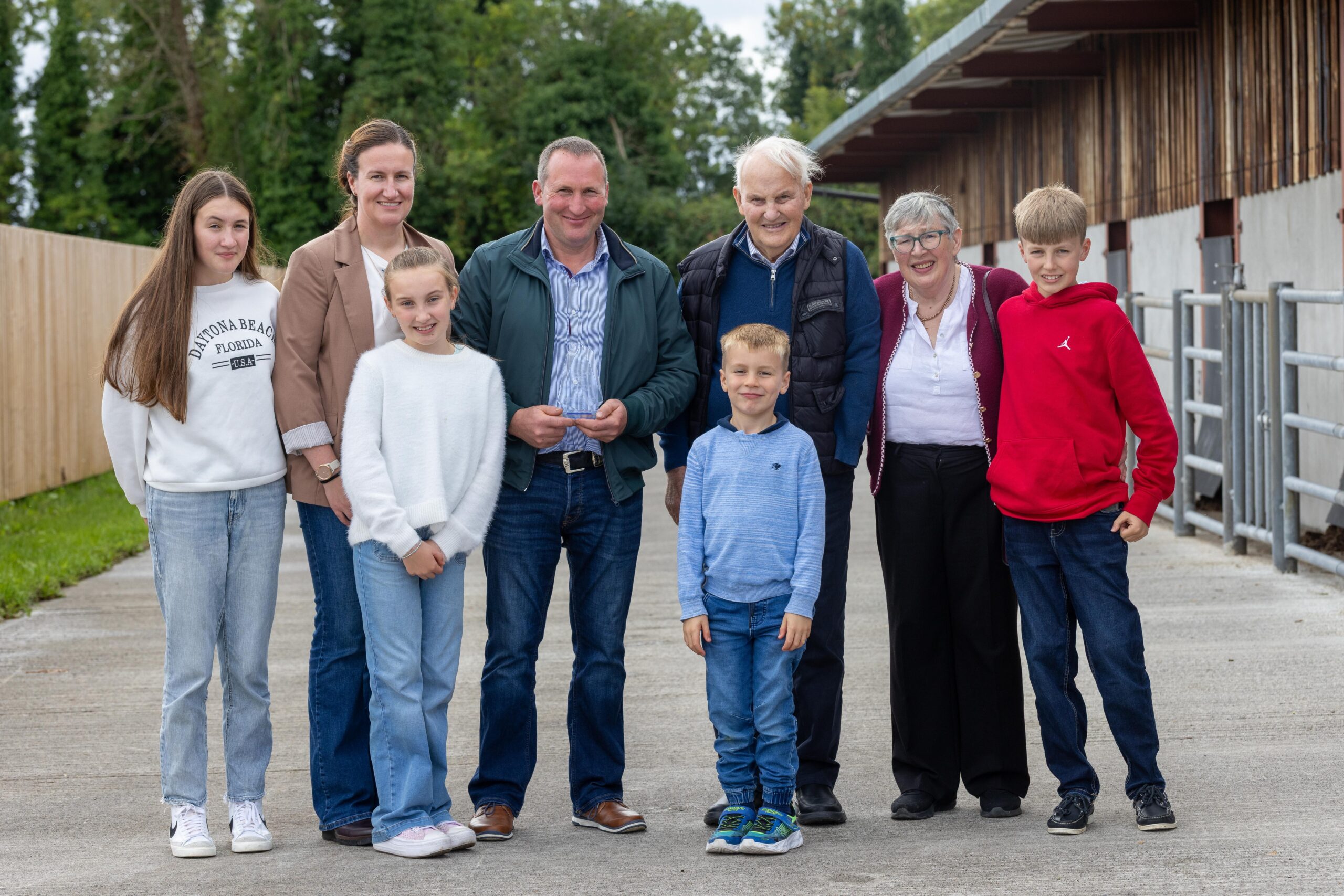
At the 2026 ICBF Tully Open Day, Liam Phelan from Castlecomer, Co. Kilkenny, was announced as the winner of the Dairy Farmer Finisher Award for Dawn Meats. Liam operates a highly successful dairy calf-to-beef enterprise alongside a substantial dairy herd, demonstrating how a strong focus on breeding, calf quality and efficient finishing can deliver outstanding results within a modern dairy-beef system.
Building on a Strong Family Farming Tradition
Farming has always been at the heart of the Phelan family. Liam took over the farm from his parents in 2009 and has continued to develop the business over the last 17 years, while building on the strong foundations they established.
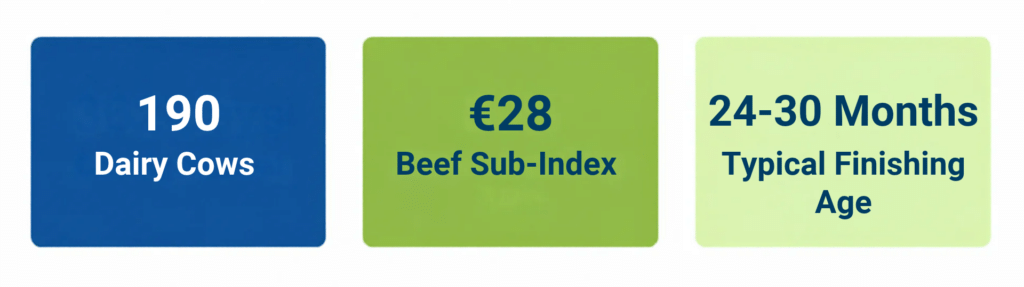
Today, the farm operates a mixed system of approximately 130 spring-calving cows and 60 winter-calving cows, producing both dairy replacements and high-quality dairy-beef cattle.
The dairy and beef enterprises operate alongside a tillage enterprise, meaning labour efficiency is a key priority on the farm. For this reason, Liam places significant emphasis on selecting high-index stock bulls capable of delivering strong performance while reducing the labour demands associated with breeding management. Over the years, the herd has evolved from traditional British Friesian breeding to include Montbéliarde and more recently Fleckvieh genetics, creating robust, fertile cows capable of producing strong dairy-beef calves.
“We find the Fleckvieh-cross cow suits our system very well,” Liam explains. “They’re a big, powerful cow and they produce a strong calf.”
Focus on Dairy-Beef Performance
The dairy herd is bred using a combination of stock bulls. Liam runs three Limousin bulls with the spring-calving herd while dairy replacements are bred from selected females. When selecting beef sires, calving difficulty percentages remain a key consideration.
“For the Limousin bulls, gestation length is something I pay particular attention to,” says Liam. “I aim for shorter gestation bulls so cows aren’t pushed too far beyond their expected calving dates.”
While Liam acknowledges growing awareness of Commercial Beef Values (CBV), his bull-buying decisions continue to focus heavily on practical on-farm performance.
“If I like the bull and I like the people behind him, that’s important. Good stockmanship and reliable breeding always count for a lot.”
Liam currently runs three Limousin bulls from the Beechmount Pedigree herd in Callan. Averaging a Terminal Index of €154 and a carcass weight value of 29kg while remaining moderate for calving difficulty, the bulls reflect Liam’s breeding philosophy of balancing ease of calving with strong beef performance.
A Profitable Finishing Enterprise
Alongside his dairy herd, Liam finishes all homebred beef cattle. He also purchases approximately 30 to 40 weanlings annually to supplement throughput. The type of cattle purchased varies depending on market conditions and value available at the time.
“It depends on where the value is. Some years it might be Angus and Hereford cattle, while other years Limousin or Charolais cattle can offer good opportunities.”
Finished cattle are generally slaughtered between 24 and 30 months of age, with Liam aiming to have animals finished as close to 24 months as possible.
The finishing ration combines home-grown straw, quality silage and concentrate feed, with cattle typically receiving a finishing nut alongside forage. This straightforward feeding system has consistently delivered the performance required by the marketplace.
In recent years, the majority of finished cattle from the farm have been supplied to Dawn Meats, helping to create a strong and dependable marketing outlet.
Commercial Beef Value Driving Profitability
The performance achieved within Liam’s finishing enterprise is reflected in his herd’s Commercial Beef Value (CBV) results. In 2025, Liam finished a total of 138 cattle, including 98 Dairy-beef animals, demonstrating the scale and consistency of his dairy-beef operation.
For Dairy-beef steers, the influence of superior genetics was clearly evident. Animals in the top third for CBV achieved a value of €263, compared to just €74 for those in the bottom third. These higher-CBV animals finished almost a month earlier, produced carcasses that were 26kg heavier and generated an additional €117 per head in factory value. They also delivered a higher lifetime profitability of €2.70 per day compared to €2.45 per day for lower CBV cattle
A similar trend was observed among Dairy-beef heifers. Top-third CBV heifers recorded a CBV of €305 and returned an additional €143 per head at slaughter compared to bottom-third animals. They finished more than three months earlier while producing heavier carcasses and generating an additional €0.45 per day in lifetime value.
Even within Dairy-Dairy steers, higher CBV cattle demonstrated clear performance advantages. Top-third animals generated €153 more factory value per head, finished approximately 2.4 months earlier and delivered a superior lifetime return compared to lower-CBV cattle.
These results underline the impact genetics can have within Liam’s system, translating into improved carcass performance, earlier finishing and increased profitability. They also reinforce the key message behind Commercial Beef Value, with higher-CBV cattle consistently delivering stronger financial returns for beef finishers.
Producing the Right Calf
Liam firmly believes that the future success of dairy-beef systems starts with the cow.
“I think a better cow produces a better calf. A beef calf from the right dairy cow will always perform better later in life.”
The Phelan dairy herd has one of the highest beef sub-indexes in the country at €28 placing the herd in the top 2% nationally, demonstrating the strong cow base that helps Liam achieve excellent results in finished stock.
Managing Herd Health
Maintaining calf health is one of the most important challenges within any calf-to-beef system, and Liam is no different. Like many calf rearers across the country, calf pneumonia remains one of Liam’s biggest health challenges.
“Pneumonia is probably the main issue for us. We’re vaccinating calves, but we’re still seeing some cases. We’re working closely with our vet and carrying out additional testing to identify if there are any other bacteria or viruses involved.”
Once calves are successfully reared through the early months of life, health issues tend to reduce significantly.
“Our biggest challenge is getting calves safely through those first six to eight months. After that, they generally thrive.”
To further improve calf management, Liam is currently investing in additional calf housing facilities, which will help reduce stocking pressure and provide improved conditions for young animals.
Recognition for Excellence
Winning the CBV Dairy Farmer Finishing Award is welcome recognition of Liam’s commitment to producing efficient, profitable beef animals from a dairy system. His operation showcases how a clear breeding strategy, attention to animal health and a focus on producing quality cattle can deliver excellent results from calf right through to slaughter.
Winning the Dairy Farmer Finisher Award recognises Liam’s commitment to producing efficient, profitable cattle from a dairy system. Through strong cow genetics, practical management and a clear focus on finishing performance, he continues to demonstrate the potential that exists within well-managed dairy-beef enterprises.
DJ Kealy’s Award-Winning Dairy-Beef System | Dairy Farmer Finisher 2026
DJ Kealy from Ballylinan, Co. Laois was recognised as the Kepak supplier winner of the Dairy Farmer Finisher Award at the ICBF Beef Awards 2026, highlighting the consistent performance achieved across both the dairy and dairy-beef elements of his farming system.
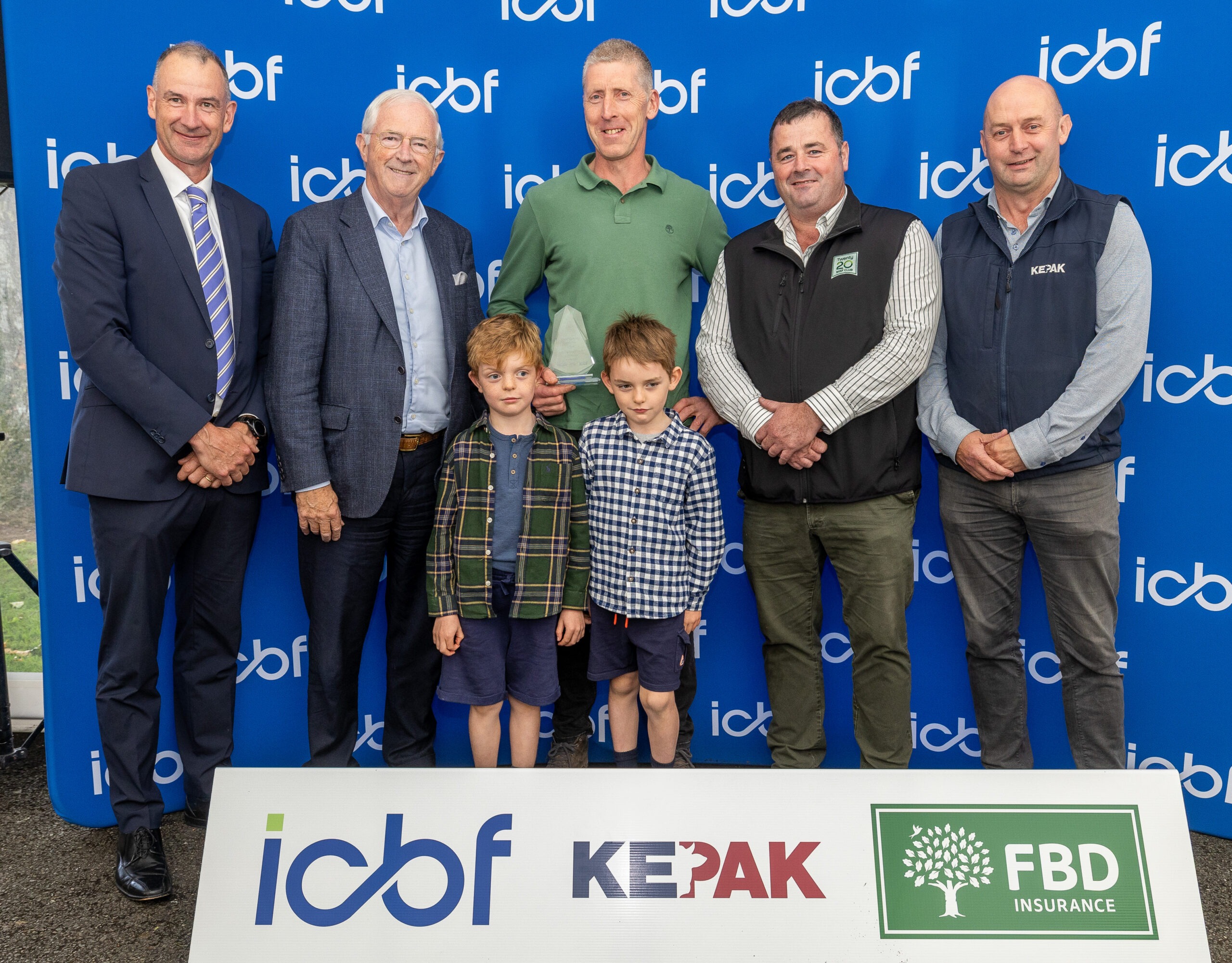 L to R: Sean Coughlan (ICBF), Michael Berkery (FBD), DJ Kealy (Award Winner, David Coyne, Eamon Phelan (Kepak)
A spring-calving dairy farmer, DJ has been farming full-time at home for the past nine years, following a 14-year career in the agrifood sector with Tirlán and after completing an Agricultural Science degree at UCD. He now milks just over 100 dairy cows and carries an average of more than 320 cattle across the enterprise throughout the year. The farm is very much a family affair, with his father, Dinny, also working full-time on the farm, while his brother lends a hand when needed. Away from farming, DJ enjoys spending time with his partner Jane and their two young sons, Rían and Sam.
Through a combination of strong dairy genetics, excellent fertility and carefully selected beef sires, DJ has developed a system that delivers value from both milk and beef.
Building Performance from the Dairy Herd Up
At the core of the system is a high-performing dairy herd. DJ’s herd recorded an average Economic Breeding Index (EBI) of €155, significantly ahead of the national average of €115. Strong performance across milk production, fertility and beef traits has helped create a herd capable of producing both profitable milk and high-value dairy-beef calves. This balance is a key factor in the success of the overall system.
Fertility is a major focus on the farm and the results speak for themselves. The herd has achieved a calving interval of just 362 days, an impressive six-week calving rate of 89% and an average of 1.02 calves per cow per year.
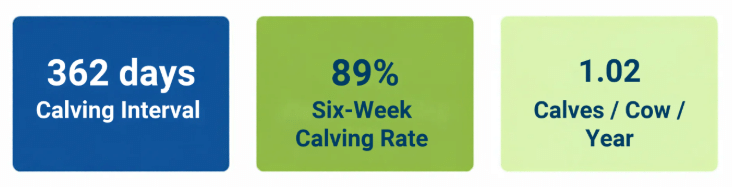
Operating a spring-calving system, DJ places significant emphasis on maintaining a compact calving pattern. The 2026 calving season began on 17 February, with half of the herd calved by 28 February and all calving completed by 11 May. In total, 122 calves were born on the farm during the spring 2026 calving season, creating a uniform batch of calves that can be managed efficiently throughout the year.
Excellent Herd Management
Attention to detail is evident throughout the herd. Every calf born on the farm had a recorded sire and every birth had calving survey information recorded.
Heifer management is another area where the herd excels, with 96% of heifers calving between 22 and 26 months of age. This figure demonstrates the efficiency and consistency of the breeding programme.
Producing High-Value Dairy-Beef Calves
Producing quality dairy-beef calves is a key part of DJ’s system. The herd achieved an impressive Dairy Beef Quality Score of 87%, placing it in the top 1% of dairy-beef herds nationally. This reflects the strong emphasis placed on breeding calves with excellent beef potential and the consistent quality of animals being produced on the farm.
Alongside producing replacement heifers for the dairy herd, DJ uses sexed semen on a proportion of the dairy cows each year, typically generating between 20 and 30 replacement heifers annually. This allows him to maximise genetic progress within the dairy herd while using beef sires on the remaining cows to produce high-value dairy-beef calves.
In 2025, the average Commercial Beef Value (CBV) of dairy-beef calves born on the farm was €216, comfortably ahead of national averages. Dairy-beef male calves averaged a CBV of €225, while female dairy-beef calves averaged €207. Both figures are substantially above national averages and reflect the farm’s strong focus on genetic merit.
These figures highlight the success of DJ’s breeding strategy and the value of combining strong dairy genetics with carefully selected beef sires to produce calves with excellent commercial potential.
Genetics Driving Performance
Careful sire selection plays an important role in DJ’s system. A Limousin and an Aberdeen Angus stock bull are used on the farm, while AI also forms a key part of the breeding programme. When selecting bulls, DJ places equal emphasis on several traits. A DJ explains, “Carcass weight, conformation and ease of calving, they have to all tie in together.” This balanced approach helps ensure calves perform throughout the production chain, from calving right through to finishing.
Limousin breeding features particularly strongly throughout the herd, with sires such as LM9379 used to produce calves with strong growth rates and carcass characteristics. Aberdeen Angus sires including AA7803 and AA9607 are selected for their combination of calving ease and beef merit, while Belgian Blue sire BB9535 is used selectively to maximise carcass performance and conformation.
The resulting dairy-beef calves are predominantly Limousin-cross, Angus-cross and Belgian Blue-cross animals out of Holstein-Friesian cows. This breeding strategy allows DJ to produce calves suited to finishing while maintaining the efficiency and fertility of the dairy herd.
Quality Feed Supporting Performance
Like many successful beef systems, good-quality forage plays an important role on the farm. DJ places a strong emphasis on producing high-quality silage, which forms the foundation of the winter-feeding programme.
Finished cattle are supplemented with nuts and meal to support growth and finishing performance. However, like many farmers across the country, the farm was impacted by difficult weather conditions during 2026. Supplementary feeding began as early as the 9th of July due to drought conditions, while the dairy cows were housed full-time from the 24th of August. Cows are currently receiving 8kg of ration through the parlour.
DJ explains that cattle were fed primarily on baled silage through much of the summer and early autumn before moving onto pit silage as forage supplies became tighter.
CBV Delivering Strong Finishing Results
The benefits of that breeding strategy are clear when the animals reach finishing.
Results from DJ’s 2025 Annual Finishing Report: CBV highlighted the strong relationship between genetics and finishing performance, with higher-CBV animals consistently outperforming their lower-CBV counterparts.
Among the dairy-beef heifers, animals in the top third for CBV averaged €313 compared to €152 for the bottom third. These higher-CBV heifers produced carcasses averaging 354kg compared to 286kg and generated almost €700 more in factory value per animal.
A similar trend was evident among the dairy-beef steers. The top third for CBV averaged €301 compared to €152 for the bottom third and produced carcasses averaging 403kg compared to 334kg. These higher-CBV steers generated over €500 more in factory value per head while also achieving stronger carcass grades.
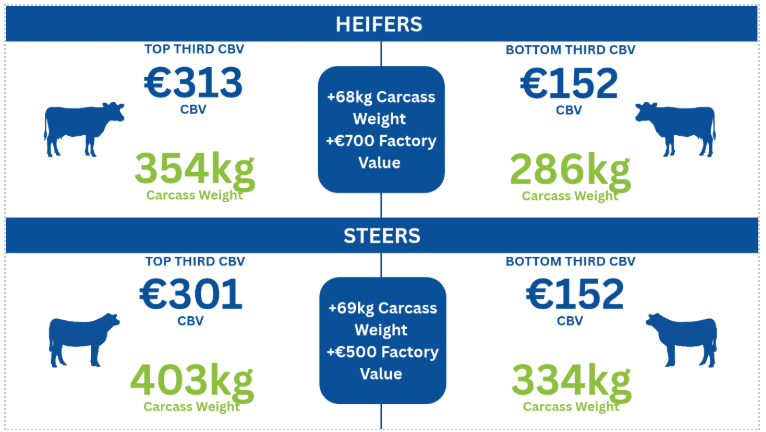
Perhaps most notably, these performance gains were achieved at virtually the same finishing age as the lower-CBV groups. This demonstrates the value of selecting animals with stronger genetic potential from the outset.
Strong Finishing Performance
The strong finishing performance reflects the work put into every stage of the system. In 2025, dairy-beef males achieved average carcass weights of 377kg, while dairy-beef females averaged 310kg. Finished cattle averaged approximately 24 to 25 months of age and achieved strong carcass quality, with virtually all animals meeting factory specifications for carcass weight, conformation and fat score.
The consistency of these results highlights the success of DJ’s approach, from sire selection and calf breeding right through to finishing performance and helps explain why he was recognised as Kepak’s Dairy Farmer Finisher Award winner at the Beef Awards 2026.
Looking Ahead
DJ continues to focus on improving both the dairy and beef elements of the enterprise. By combining a high-performing dairy herd with a clear focus on producing quality dairy-beef calves, he has developed a system that delivers value at every stage of production.
DJ is also a member of Kepak’s Twenty20 Beef Club, a programme focused on improving farm efficiency, sustainability and beef performance. Participation in initiatives such as Twenty20, combined with the farm’s strong focus on genetics and performance recording, continues to help drive progress across the enterprise.
Strong fertility, careful breeding decisions and a commitment to producing high-value dairy-beef calves remain at the heart of the system. By consistently delivering results across both dairy and beef production, DJ has developed an enterprise that creates value at every stage and ultimately earned recognition as Kepak’s Dairy Farmer Finisher Award winner at the ICBF Beef Awards 2026.
Eamonn Parke – Dairy Farmer Finisher
Liffey Meats Dairy Farmer Finisher Award winner Eamonn Parke discusses how a diversified farming system, strong breeding decisions, a focus on herd health and the effective use of Commercial Beef Value (CBV) are helping drive performance across his dairy, tillage and dairy-beef finishing enterprise following recognition at the 2026 ICBF Beef Quality Awards.
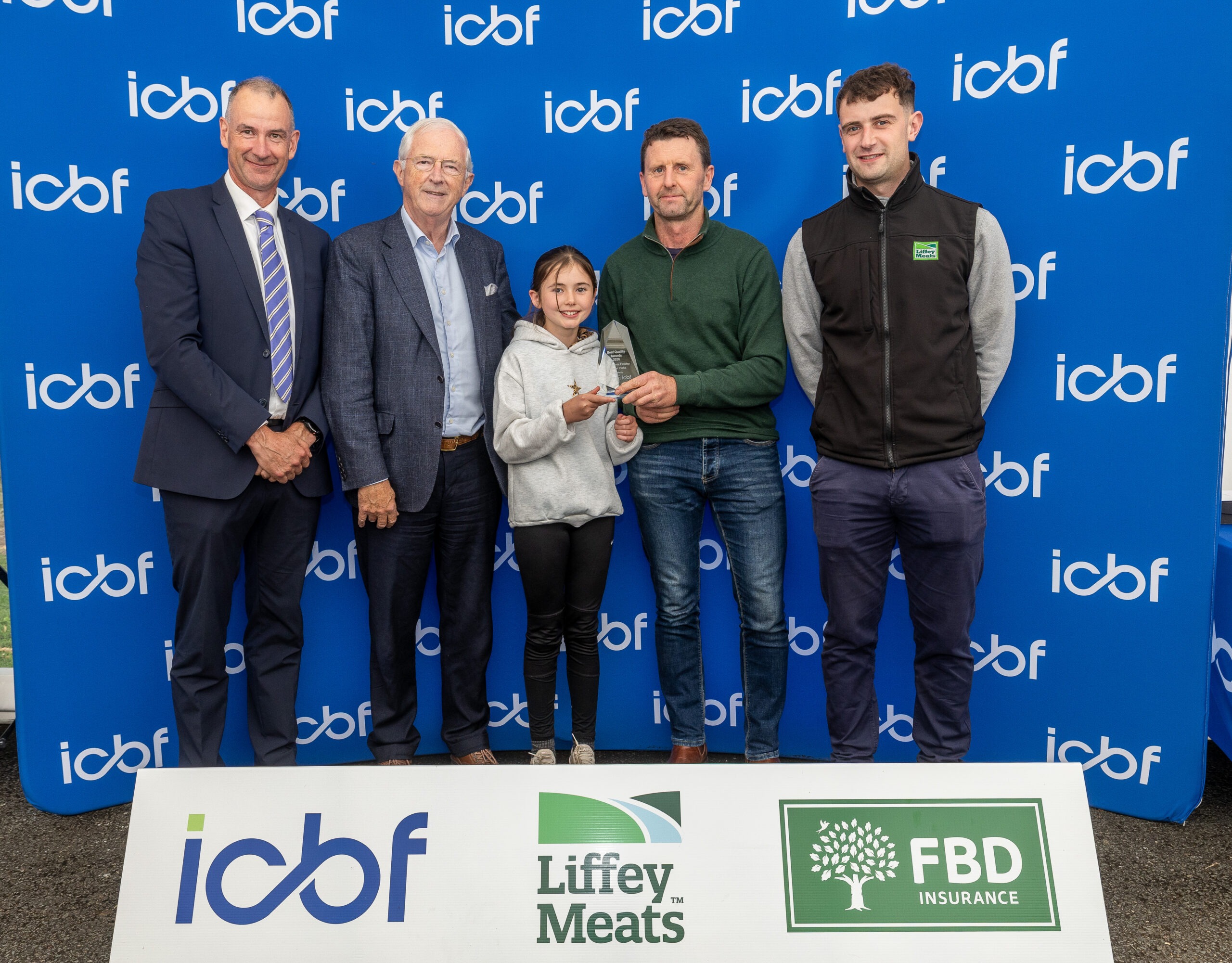
L to R: Sean Coughlan (ICBF), Michael Berkery (FBD), Eamonn Parke (Award Winner), Nathan McCarten (Liffey Meats)
Early Interests
No stranger to farming life, Eamonn Parke from Co. Wicklow was recognised at the ICBF Beef Awards 2026 in the Liffey Meats Dairy Farmer Finisher category. Farming has been instilled in Eamonn from a young age. Now a fifth-generation farmer, he operates the family farm that was passed down to him from his uncle. Alongside Eamonn, his wife and three children all play vital roles in the dairy enterprise.
Following trips to New Zealand and Australia in 1990, Eamonn spent around 18 months working and travelling, exposing him to a range of different farming systems and management practices, many of which he hoped to implement upon returning home. While introducing new ideas to the traditional family farm was not always straightforward, the experience broadened his outlook and continues to influence decision-making on the farm today.
The Parke enterprise operates a mixed farming system comprising a 270-cow dairy herd, a tillage enterprise and a dairy-beef finishing system, with all progeny reared through to finish. A wide range of crops are grown annually, including barley, wheat, oats, rye, maize and fodder beet. This integrated approach allows the majority of feed requirements to be produced on-farm, reducing the need for purchased concentrates and soya.
The farm runs a grass-based production system, with both cows and youngstock making full use of grass throughout the grazing season. Strategic buffer feeding is used during the shoulders of the year to maintain performance, helping to maximise the productivity of both the dairy herd and finishing cattle.
Calf Selection and Breeding
All breeding decisions are focused on producing suitable dairy replacements while also generating high-quality beef calves for finishing. Typically, four to five weeks of Friesian AI takes place during the spring breeding season, followed by a number of weeks of beef AI before stock bulls are introduced to mop up towards the end of breeding.
This attention to breeding and replacement performance is reflected across the wider dairy enterprise. During the most recent calving period, 96% of heifers calved between 22 and 26 months of age, significantly ahead of the national average of 76%. These figures highlight the farm’s strong focus on fertility, breeding management and replacement performance.
Limousin, Angus and Aubrac stock bulls are run with the dairy herd, breeds that Eamonn feels consistently deliver calves well suited to the farm’s dairy-beef finishing system. Balancing dairy and beef performance remains an important consideration when making breeding decisions, helping to ensure both replacement and beef production targets are achieved.
Opinions of the Commercial Beef Value
When discussing the Commercial Beef Value (CBV), Eamonn believes the index has an important role to play in future breeding and calf selection decisions. While he acknowledges there is still more to learn about fully utilising the information available, he feels the figures are already demonstrating clear value within his herd. As more performance data becomes available, he expects CBV to become increasingly influential when evaluating beef genetics and calf sourcing options.
Among Eamonn’s dairy-bred bulls, the figures show a strong relationship between higher CBV and improved finishing performance. Bulls in the top third for CBV achieved an average carcass weight of 359 kg, 55 kg heavier than those in the bottom third, which averaged 304 kg.
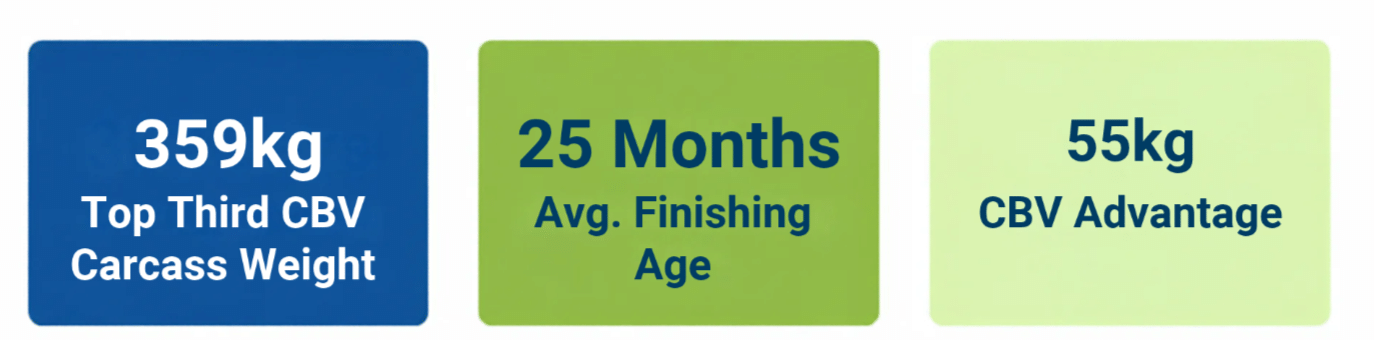
This performance is also reflected in the wider finishing system, where cattle are generally finished at a relatively young age. Recent finished steers averaged approximately 25 months of age at slaughter, reflecting the combination of genetics, nutrition and herd management underpinning the enterprise.
Eamonn also feels market conditions will continue to influence the importance placed on calf selection. During periods of strong beef demand, a wider range of calves may be sought after. However, in times of oversupply, greater emphasis is likely to be placed on sourcing calves with stronger performance potential and proven profitability.
Managing the Health of His Herd
Herd health is paramount to any successful enterprise and is an area that Eamonn takes very seriously. He believes that working closely with veterinary practitioners and following recommended health protocols is key to maintaining herd performance. Vaccination programmes are implemented across both cows and calves to protect against the major disease challenges relevant to the herd, helping to safeguard productivity and animal welfare.
The focus on herd health and preventative management is reflected in key herd performance metrics. The herd achieved a 377-day calving interval, outperforming the national average of 383 days, while recording a 71% six-week calving rate and 0.99 calves per cow per year. Calf survival has also been particularly strong, with just one calf lost at birth from 272 births recorded during the most recent calving period.
Eamonn places significant value on the close working relationship developed with his veterinary team. The regular exchange of information and advice allows management decisions to be made with confidence and contributes positively to the overall success of the enterprise.
Challenges and Opportunities
Like many livestock farmers, Eamonn identifies costs and margins as some of the greatest challenges facing the sector today. While beef and milk prices ultimately determine profitability, input costs continue to place pressure on farm businesses and require careful management. “Margins are tight at the moment, but like every year it brings a challenge.”
Strong technical performance remains important in maintaining profitability during periods of tight margins. Despite operating in a challenging cost environment, the herd maintains a 25% replacement rate, with all replacement females sired through dairy AI and 99% of births recorded with a known sire, providing confidence in breeding and management decisions going forward.
Weather remains another significant factor influencing farm performance. Although the current season has delivered strong levels of grass growth in recent months, Eamonn points to years such as 2007, 2008, 2009 and 2012 as reminders of how quickly challenging conditions can affect profitability. He particularly recalls 2009 as a year marked by both poor weather and low milk prices.
However, Eamonn would rather deal with drought than prolonged periods of heavy rainfall and believes farming teaches resilience. “It will always turn.”
Despite these challenges, Eamonn maintains a positive outlook. He believes every farming year presents its own difficulties and that adapting management plans to suit prevailing conditions is essential. While growth arrived later than expected this season, favourable conditions in recent months have delivered excellent grass production and allowed the farm to make strong use of available feed resources.
Future Plans for the Herd
Looking ahead, Eamonn does not focus on ambitious expansion targets or long-term plans. Instead, his approach centres on continuous improvement and making incremental progress each year.
He always strives to improve year on year and believes that while some years bring progress and others bring setbacks, it is important not to get too far ahead of what you are doing.
Farming has a way of keeping people grounded and he prefers to focus on what can be controlled today rather than looking too far into the future.
Advice to Other Farmers
Having operated a mixed farming system for many years, Eamonn is a strong advocate for diversification and avoiding reliance on a single enterprise. He is proud of the traditional farm he operates and hopes to continue building on it into the future.
Producing both livestock and crops provides flexibility, as Eamonn feels he does not have “all his eggs in one basket” and is less exposed to fluctuations within any one sector.
Above all, he believes success comes from consistently doing the simple things well. Good management, attention to detail and maintaining a balanced approach to farming are principles that have served the Parke family farm throughout generations and continue to guide the enterprise today.