
David Talbot’s Grass-Based Beef Finishing System Drives Awards Success
Ashbourne Suckler Farmer Finisher Award winner David Talbot discusses how quality cattle, grass-based production, continental genetics and a growing focus on Commercial Beef Value are supporting performance across his beef enterprise in Roscrea, Co. Tipperary.
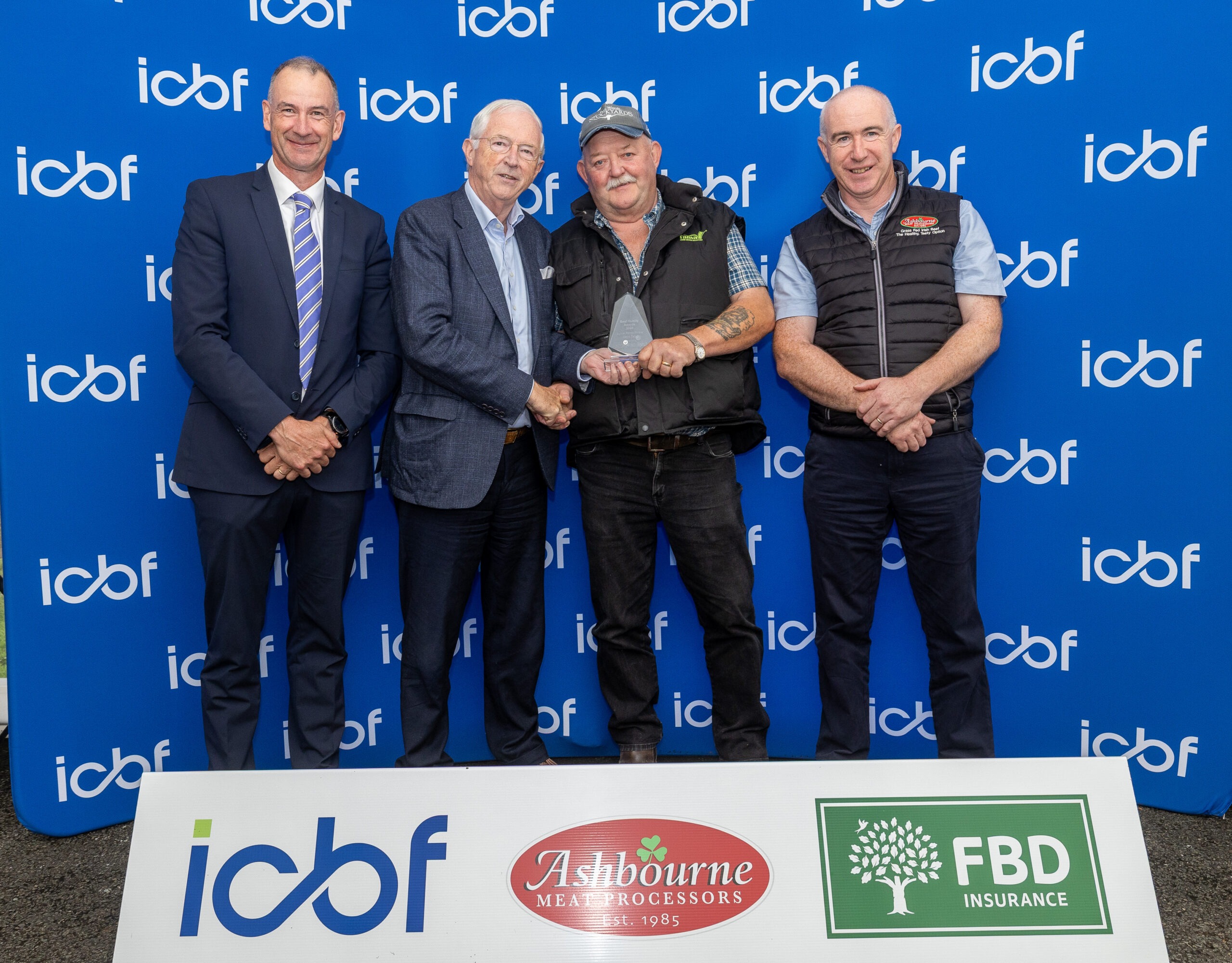
David Talbot was named the Ashbourne Suckler Farmer Finisher Award winner at the 2026 ICBF Beef Quality Awards, recognising the performance achieved across his suckler-to-beef and finishing enterprise.
Based in Roscrea, Co. Tipperary, David runs a system centred on producing and purchasing quality cattle and taking them through to finish. Limousin and Charolais are the main breeds purchased for the farm, with heifers accounting for the majority of bought-in animals. Male cattle may also be purchased occasionally when suitable animals are available.
Alongside the finishing enterprise, approximately 50 suckler animals currently calve on the farm. David plans to increase cow numbers gradually, having bred additional females this year with the aim of calving approximately 75 animals next year.
Although the farm continues to develop, the principles behind the system remain straightforward. David aims to start with a quality animal, make maximum use of grass and forage, maintain a strong herd health programme and target additional feed carefully as cattle approach finishing.
A Grass-Based Finishing System
Grass forms the foundation of the feeding system on David’s farm. During the grazing season, the objective is to make good use of grazed grass and achieve as much performance as possible from forage.
When cattle are housed for the winter, silage becomes the main feed. This allows David to maintain a largely grass and forage-based diet throughout much of the animal’s lifetime, with concentrates used strategically during the finishing period.
As heifers approach their target finishing date, they are supplemented with a high-maize ration to provide the additional energy required to achieve the desired level of finish and carcass performance.
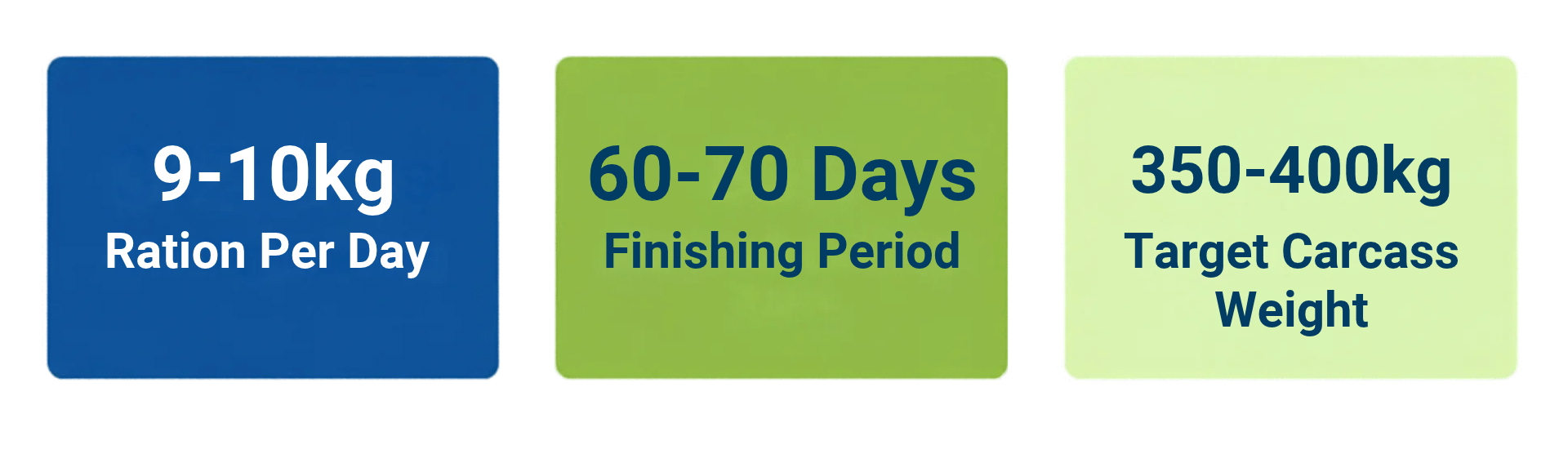
Finishing heifers typically receive between 9 and 10kg of ration per day for approximately 60 to 70 days before finishing. The feeding rate reflects the requirements of animals in the final stage of production and complements the grass and silage-based diet used throughout the rest of the system.
David’s approach is not simply about increasing feed levels to maximise output. The objective is to match feeding to each animal’s requirements while remaining conscious of the cost involved in bringing cattle through to finish.
Producing cattle efficiently therefore depends on several elements working together, including animal quality, grassland management, winter forage, health and an appropriate finishing diet.
Quality Cattle at the Centre of the Enterprise
Selecting the right type of animal is central to David’s approach. Whether cattle are bred on the farm or purchased for finishing, he looks for quality animals with the potential to deliver the required performance at finishing.
Continental genetics feature strongly within the enterprise. Limousin and Charolais are the main breeds David purchases, reflecting his preference for cattle with the potential to produce strong carcass weights and grades.
Heifers account for most of the bought-in cattle and are taken through to finish on the farm. David’s experience and visual assessment remain important when selecting cattle, particularly when considering whether an animal is suited to the feeding and finishing system in place.
The focus on quality continues throughout the animal’s time on the farm. David aims to manage each animal in a way that allows it to express its potential without allowing production costs to become excessive.
His target is to produce finished cattle achieving carcass weights of approximately 350 to 400kg. Reaching that target requires the correct balance between the animal’s genetic potential and the management it receives throughout the production cycle.
Breeding and Genetics
Breeding is an important part of the wider farming system and supports David’s focus on producing cattle that are well suited to finishing.
Stock bulls are predominantly used across the suckler herd, while purebred Limousin animals are bred using Limousin AI straws. Breeding takes place during the summer months, with the majority of cows calving in spring.
Approximately 12 to 15 animals also calve during the autumn each year, creating two calving periods within the herd.
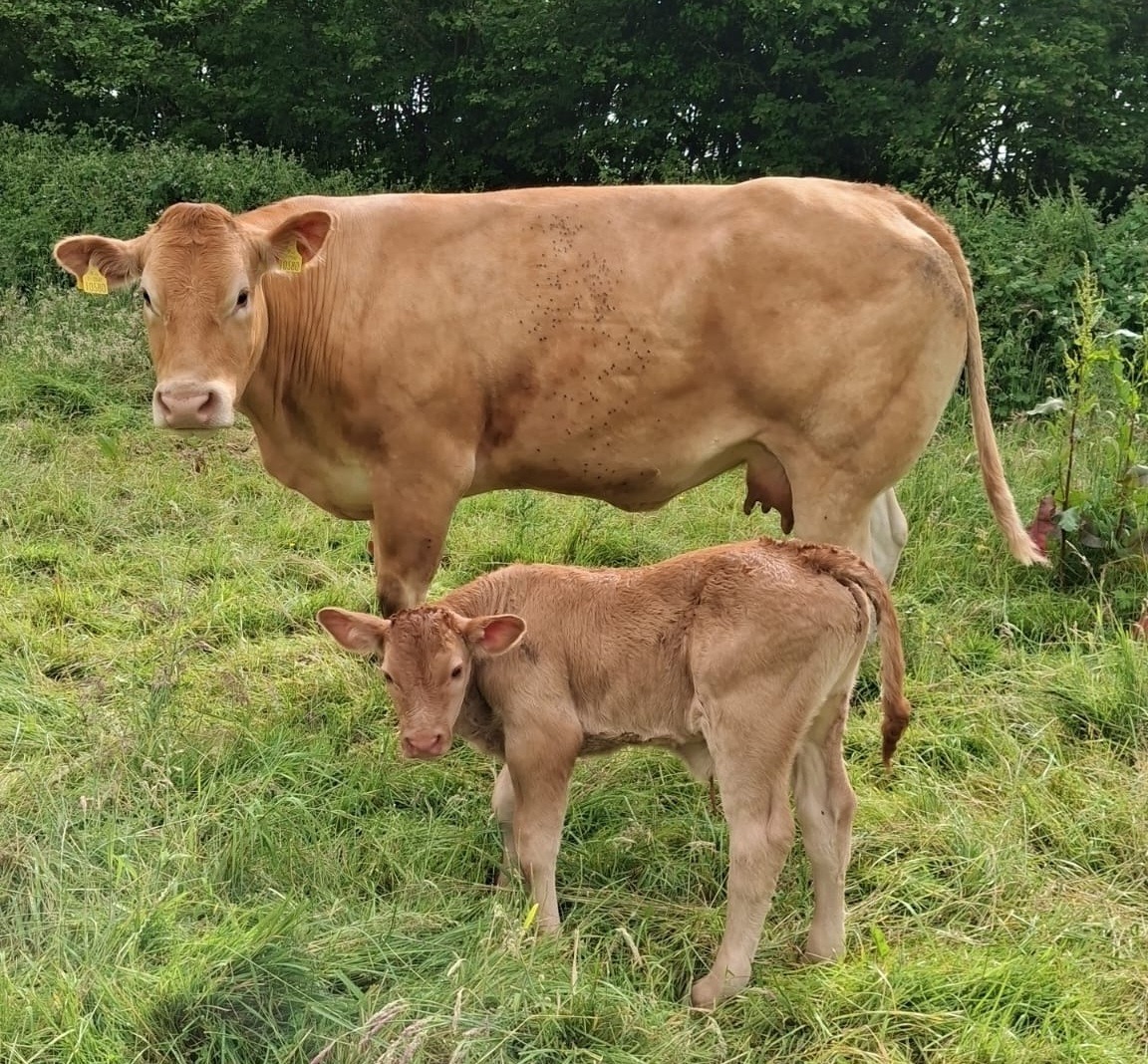
David bred additional females this year as part of the gradual development of the suckler side of the enterprise. With around 50 animals currently calving, he hopes to increase this figure to approximately 75 next year and ultimately build towards a herd of between 75 and 80 suckler cows.
However, the aim is not simply to increase numbers. David’s priority is to maintain the quality of the herd and breed from animals capable of producing the type of progeny required within his finishing system.
Seeing the Potential of Commercial Beef Value
Commercial Beef Value, or CBV, is beginning to play a greater role in David’s cattle selection.
CBV was not traditionally a major consideration when he purchased animals. However, as David has become more familiar with the index and the information it provides about an animal’s genetic potential for beef production, he has started to pay closer attention to it.
In recent months, David has made a conscious effort to purchase more animals with higher CBV figures. Among the animals he has bought, he has observed that cattle with higher CBVs have tended to finish earlier and produce heavier carcasses.
The performance figures from his finished cattle provide further insight into the enterprise. Across the herd, the average carcass weight is 348kg, the average carcass grade is R=, and the average finishing age is 39.7 months.
Individual animal results also demonstrate the variation that can exist between cattle.
One Limousin-cross heifer had a CBV of €483. She was finished at 31 months of age, produced a 399kg carcass and achieved a U- carcass grade.
By comparison, a bought-in Wagyu-cross heifer had a CBV of €40. She finished with a 288kg carcass and achieved an O= carcass grade.
These examples have encouraged David to consider CBV more closely when purchasing cattle. While no individual figure is used in isolation, the CBV can provide another useful piece of information alongside the animal’s breed, appearance, age and purchase price.
David’s own experience and judgement will remain central to cattle selection. However, CBV can support that judgement by providing information that may not be immediately visible when an animal is being assessed.
As his understanding of the index develops, David believes it could become increasingly useful when identifying cattle with the potential to perform efficiently within his finishing system.
Maintaining a Strong Herd Health Plan
Animal health is an important part of supporting performance across both the suckler and finishing enterprises.
David follows a preventative vaccination programme from an early stage in the animal’s life. All calves are vaccinated against IBR and pneumonia after birth, while weanlings are vaccinated against blackleg. He also plans to vaccinate animals against bluetongue this year.
Parasite control is incorporated into the herd health programme. Cattle are treated for lice and worms at housing and may receive further treatment before turnout to grass where David considers it necessary.
Maintaining good health helps cattle continue performing during important stages of production. It also reduces the likelihood of health problems interrupting growth or affecting animals as they move towards finishing.
For David, herd health is closely connected to overall efficiency. Starting with a quality animal is important, but that animal must remain healthy and receive suitable nutrition if it is to achieve its potential.
Managing Rising Production Costs
Managing production costs remains one of the main challenges within David’s beef enterprise.
Like many beef farmers, he has experienced increases across several major inputs. Diesel, ration and plastic wrap for silage bales are among the costs that have risen, creating additional pressure at different stages of the production cycle. These increases make it even more important to understand the likely performance of an animal and the cost involved in bringing it through to finish.
David’s approach is therefore not based on maximising output at any cost. The animal must deliver enough performance to justify the expenditure associated with purchasing, feeding and managing it. Careful cattle selection can help, but it must be supported by effective grassland management, good-quality winter forage, a suitable finishing diet and a sound herd health programme.
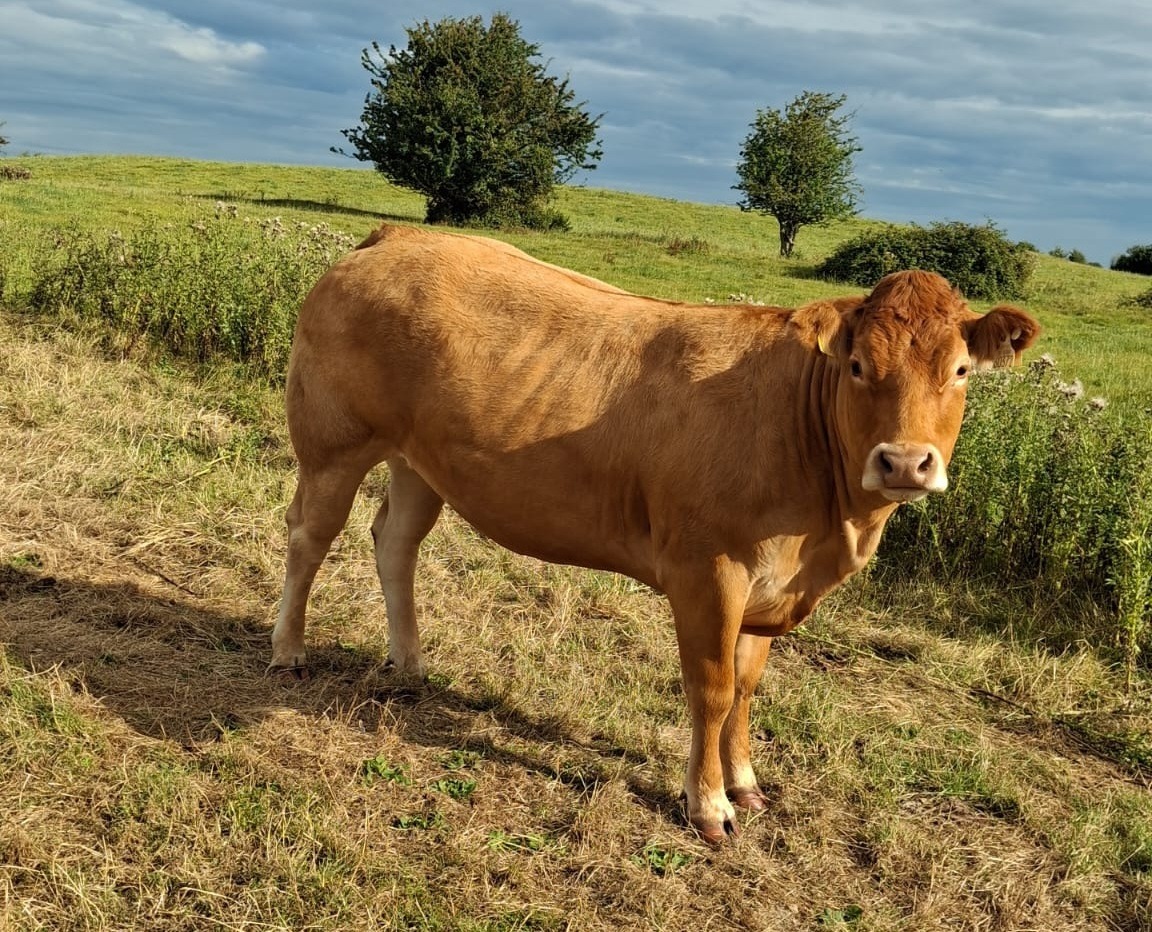
The objective is to produce cattle capable of achieving the required carcass weight and grade without allowing the cost of production to undermine the return generated at slaughter.
Developing the Farm for the Future
Looking ahead, David plans to continue developing the suckler enterprise alongside the finishing system. This development will take place gradually, with quality remaining more important than increasing numbers quickly.
Purchased cattle will continue to form part of the finishing system when suitable animals are available. The combination of homebred stock and carefully selected bought-in cattle gives David flexibility and allows him to respond to the quality, availability and price of animals on the market.
The two elements of the enterprise complement one another. The suckler herd provides cattle bred within David’s own system, while purchasing allows him to add suitable animals and maintain numbers within the finishing enterprise.
His future plans therefore represent a development of the existing system rather than a complete change in direction.
Planning Around Beef Price
Fluctuations in beef price remain another significant challenge for finishing farmers.
Cattle need to be sold when they reach the correct level of finish, regardless of where the beef price happens to be at that point. Holding finished animals for too long in the hope of securing a better price can add further feeding costs without necessarily delivering a sufficient return.
David believes greater certainty around future beef prices would help farmers plan their finishing programmes more accurately. Having a clearer indication of likely market returns would make it easier to decide when cattle should be targeted for finishing and how feeding should be managed in the months beforehand.
Although market conditions are outside the control of individual farmers, David continues to focus on the areas he can manage within the farm gate. These include cattle quality, grass and silage utilisation, herd health, concentrate feeding and production costs.
A Continued Focus on Quality
When it comes to advice for other beef farmers, David’s message reflects a principle that runs throughout his own system:
“Breed animals as well as you can, there is no point in breeding from animals that will not leave you with good-quality animals.”
For David, the quality of the animal at the beginning of the production cycle has an important influence on what can be achieved at finishing.
However, genetics alone will not deliver the desired outcome. Cattle must also receive the correct management, nutrition and health care throughout their lifetime if they are to fulfil their potential. Going forward, David plans to continue improving the enterprise by developing the suckler herd, selecting suitable cattle for finishing and making greater use of information such as CBV when assessing animals.
The overall aim remains clear: produce and purchase quality cattle, make good use of grass and forage, maintain a strong herd health programme and finish animals as efficiently as possible.
It is this combination of quality cattle, practical management and attention to performance that earned David recognition as the Ashbourne Suckler Farmer Finisher Award winner at the 2026 ICBF Beef Quality Awards
John McCormack: ABP Suckler Farmer Finisher Award Winner 2026
ABP Suckler Farmer Finisher Award winner John McCormack discusses how a herd of functional Charolais and Simmental-cross cows, high-index stock bulls and a strong focus on herd health are helping to deliver efficient finishing performance in Co. Clare.
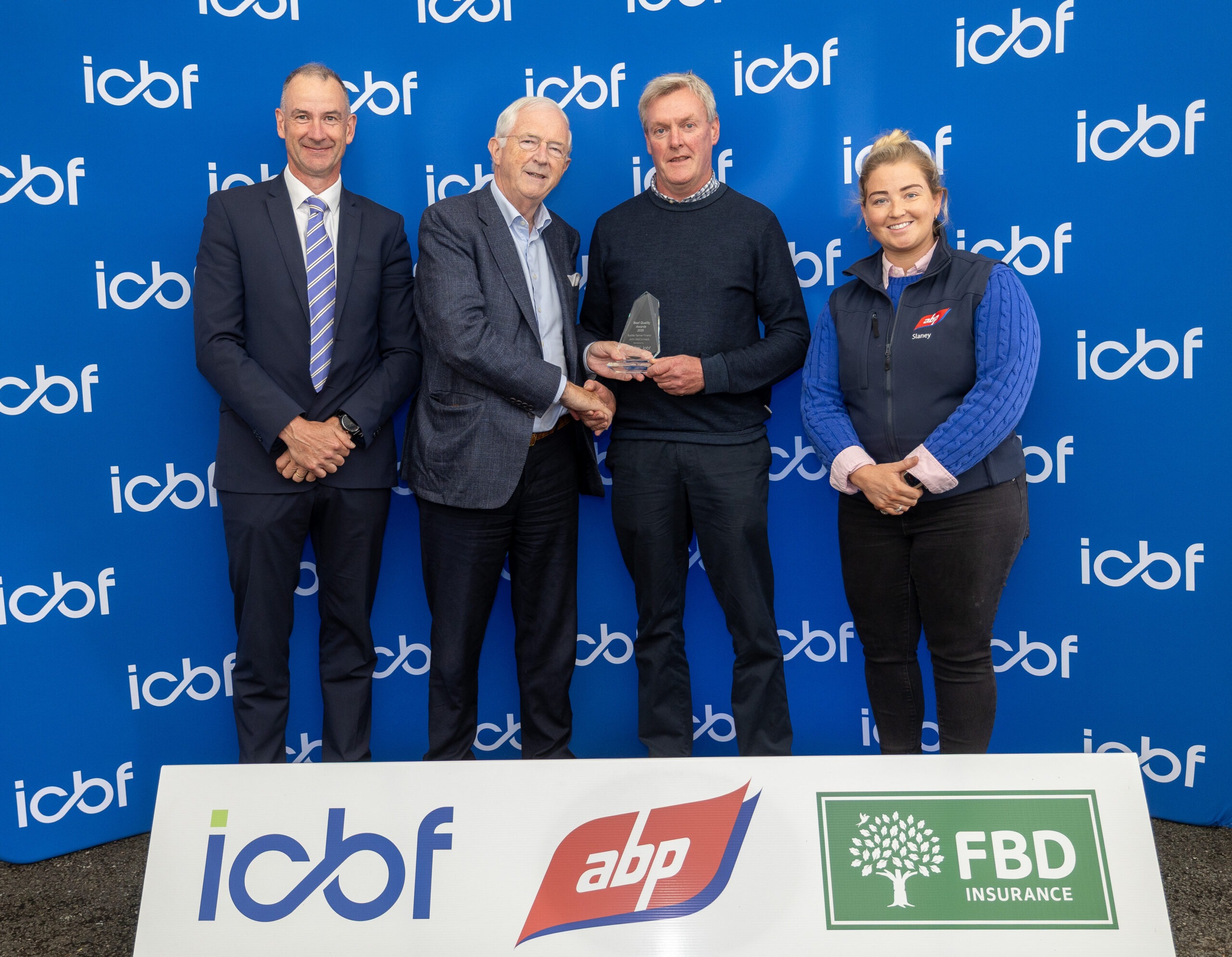
John McCormack from Clonlara, Co. Clare was recognised as the ABP Suckler Farmer Finisher Award winner at the ICBF Beef Awards 2026, highlighting the performance achieved within his suckler-to-beef enterprise.
Having grown up on a dairy farm, John gradually developed a beef herd from a young age and today farms alongside his wife Miriam and their children, Louis, James and Emily. The farm operates a suckler-to-beef system centred around approximately 115 suckler cows, with all progeny retained and finished on the farm.
Building a Suckler-to-Beef System Around Functional Cows
For John, the foundation of the enterprise is a functional suckler cow capable of rearing a quality calf every year.
Particular emphasis is placed on udders, feet, temperament and milk production when selecting females. As John explains, “you have to make sure you have a good cow. Good udders, good feet and a good temperament are all important”, while having enough milk is ” important for the growth of the calf.”
Most of the herd is made up of Charolais and Simmental-cross cows, combining maternal ability with the growth and carcass traits required in a finishing system.
The herd calves all year round, with bulls and heifers managed according to their potential. Bulls are retained and finished, while heifers are assessed after weaning, with some selected as replacements and others for finishing.
Breeding for Replacement and Terminal Performance
The McCormack family participates in the Suckler Carbon Efficiency Programme (SCEP) and places a strong emphasis on genetics.
All stock bulls used on the farm are four or five-star on the Replacement Index and five-star on the Terminal Index. Natural service forms the backbone of the breeding programme, with stock bulls providing a practical and convenient option within a year-round calving system.
An Aberdeen Angus bull runs with maiden heifers to get them established within the herd. Once calved, heifers are generally bred to a Simmental bull before running with one of the Charolais stock bulls used across the herd.
While artificial insemination currently plays only a limited role on the farm, John is considering introducing more AI on the autumn-calving cows in the future and is particularly interested in trying a number of Belgian Blue sires.
John has also been participating in the National Genotyping Programme (NGP) since August 2025, providing additional genetic information to support breeding and management decisions.
Managing Weaning and Young-Bull Performance
Careful management at weaning is a key part of John’s feeding strategy, with weanlings receiving approximately 2kg of meal for two weeks before weaning to ease the transition and minimise any setbacks in performance. Once weaned, the bulls are housed full-time and meal levels are increased gradually.
Young bulls typically start on around 3kg of meal per day before concentrates are increased incrementally as finishing approaches. When bulls are approximately 100 to 120 days from slaughter, meal feeding is increased to around 11kg per day.
John aims to finish bulls between 16 and 17 months of age, although the final decision is based on the individual animal rather than a specific date. As John explains, “we hope to kill the bulls around the 16 or 17-month mark, but it all depends on the animal.”
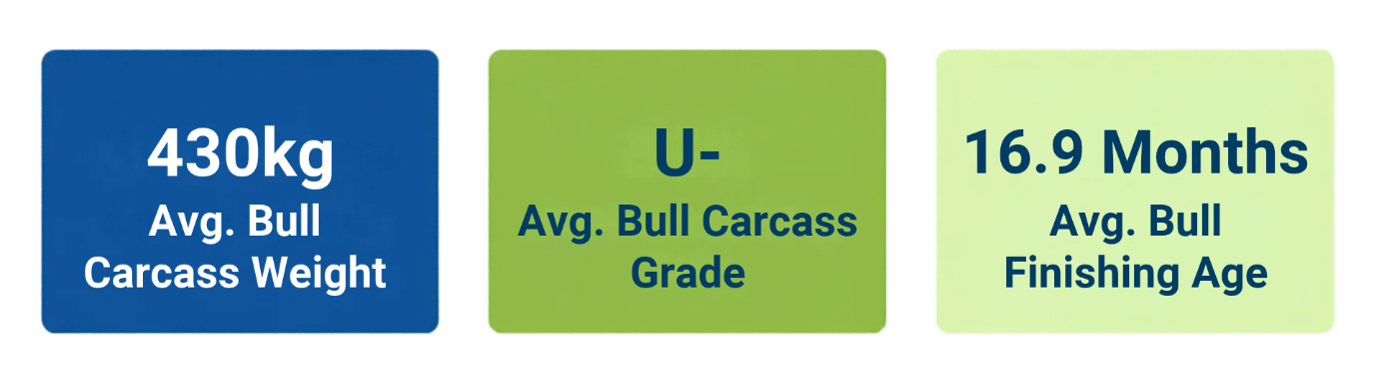
The finishing figures highlight the effectiveness of this approach. Young bulls achieved an average carcass weight of 430kg, an average carcass grade of U- and were finished at an average age of just 16.9 months. These figures reflect the efficiency of the feeding programme and the strong performance being achieved within the finishing system.
CBV Supporting Finishing Performance
Commercial Beef Value (CBV) has become an increasingly useful source of information within the herd, although John does not consider it the sole factor when deciding when animals are ready to finish. As he puts it, “it’s important, there’s no mistake about that, but it’s not the be-all and end-all.” Ultimately, cattle are still assessed visually, and if they “don’t have enough flesh they will be fed on for another while.”
The finishing figures nevertheless show a clear relationship between higher CBV and improved performance. Among Beef heifers, animals in the top CBV third averaged an impressive CBV of €563 compared to €423 for the bottom third. These higher-CBV heifers finished approximately 2.3 months earlier, produced carcasses that were 45kg heavier and generated over €420 more in factory value per head. They also returned an additional €0.98 per day over their lifetime, highlighting the significant impact genetics can have on finishing performance.
A similar trend was evident among the young bulls. Animals in the top CBV third averaged €584 compared to €411 for the bottom third and produced carcasses that were 38kg heavier. These higher-CBV bulls generated almost €300 more in factory value per animal while also returning an additional €0.34 per day over their lifetime.
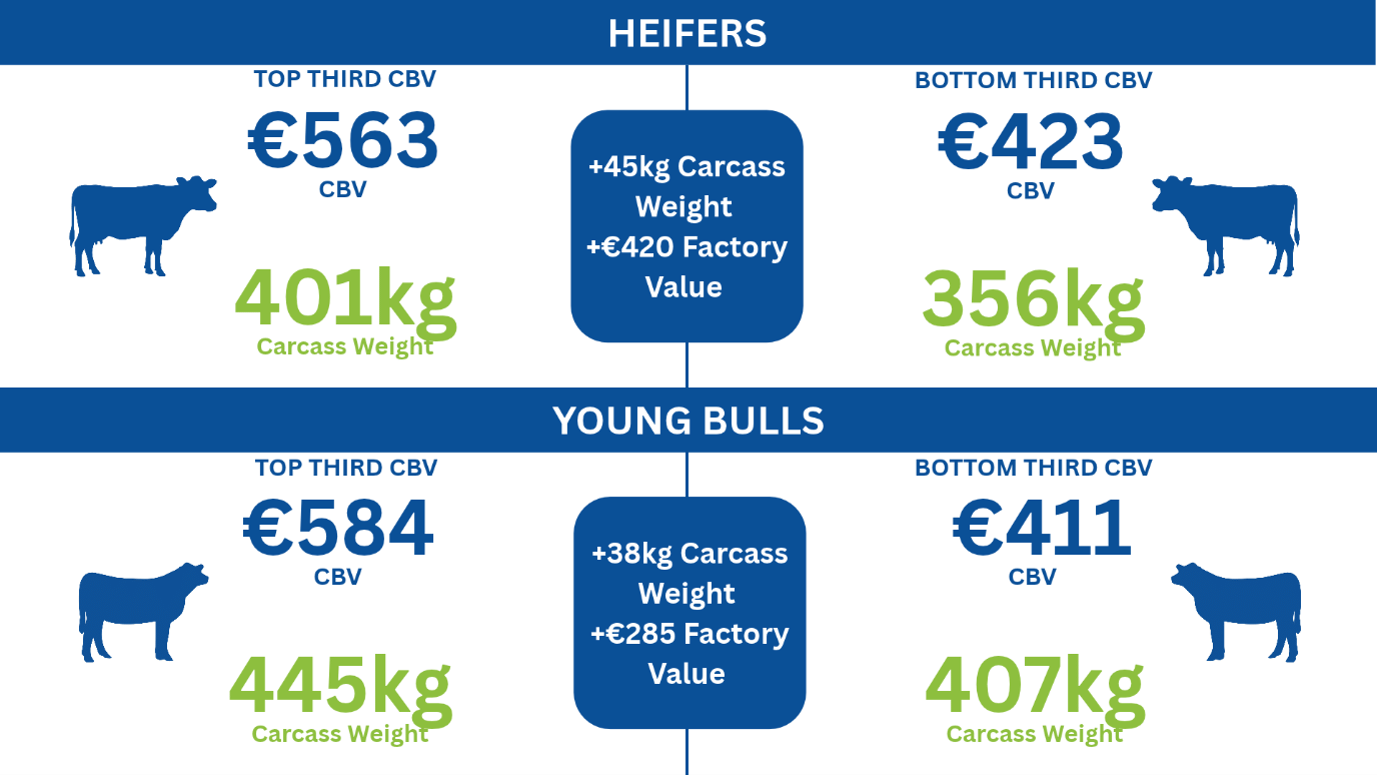
These results clearly demonstrate the commercial value of stronger genetics, with higher-CBV animals consistently delivering earlier finishing, heavier carcasses and improved profitability. John believes CBV is likely to become increasingly important in the future, particularly for farmers selecting calves and identifying with stronger finishing potential. In his view, “it probably will become more important” as it helps farmers identify “what calves will most likely be finished earlier than others.”
Calving Performance
With cows calving throughout the year, maintaining fertility remains an important focus.
During the latest calving period, the herd achieved a calving interval of 385 days, ahead of the national average of 396 days. The herd also achieved 0.9 calves per cow per year compared to a national average of 0.85.
A total of 111 calves were born in 2025, with all births having both sire information and calving survey data recorded. Heifers calving between 22 and 26 months of age reached 35%, comfortably ahead of the national average of 22%.
Long-term performance has also improved steadily. Between 2021 and 2025, calves per cow per year increased from 0.89 to 0.93.
These improvements reflect the farm’s continued focus on productive cows, fertility and efficient herd management.
Herd Health Remains a Priority
Herd health is managed through a straightforward preventative approach.
Cattle are vaccinated against pneumonia and blackleg, while regular dosing is carried out for worms and fluke. Because the farm is on relatively heavy ground, John believes staying on top of worm control is particularly important.
When asked what advice he would offer to other farmers running a similar system, John keeps it simple, “keep the animals healthy and you’ll be fine.” In his view, maintaining animal health is one of the most important foundations of a profitable finishing system.
Challenges Facing the Enterprise
Like many beef farmers, John points to rising costs and weather as two of the biggest challenges currently facing the industry.
Everything from fertiliser and feed to general farm inputs has become increasingly expensive, while weather extremes are making grassland and fodder management more difficult.
John is also concerned about silage supplies heading into the coming winter, noting that one of the farmyards is likely to be short. However, he remains hopeful that if housing can be delayed by even a week, supplies should be sufficient.
Market volatility presents another challenge. As John points out, a difference of just 20 cent per kilogram from one week to the next can equate to around €80 per head, making it difficult for finishers to plan ahead with confidence.
Looking Ahead
Looking ahead, John’s primary focus is on maintaining herd health and continuing to improve the performance of the enterprise.
Future plans include potentially increasing the use of AI within the autumn-calving herd and experimenting with a number of Belgian Blue sires to assess their suitability within the system.
Despite the challenges facing the industry, John remains focused on producing quality cattle from sound, productive cows.
Recognition through the ABP Suckler Farmer Finisher Award reflects years of work focused on breeding functional cows, maintaining herd health and producing cattle capable of strong finishing performance.
Combining Sucklers and Dairy-Beef: Alan Edwards’ Focus on Compact Calving and Consistent Performance
Foyle Suckler Farmer Finisher Award winner Alan Edwards discusses how compact calving, careful breeding decisions and strong calf management are delivering consistent performance across his suckler and dairy-beef enterprises following his recognition at the 2026 ICBF Beef Quality Awards.
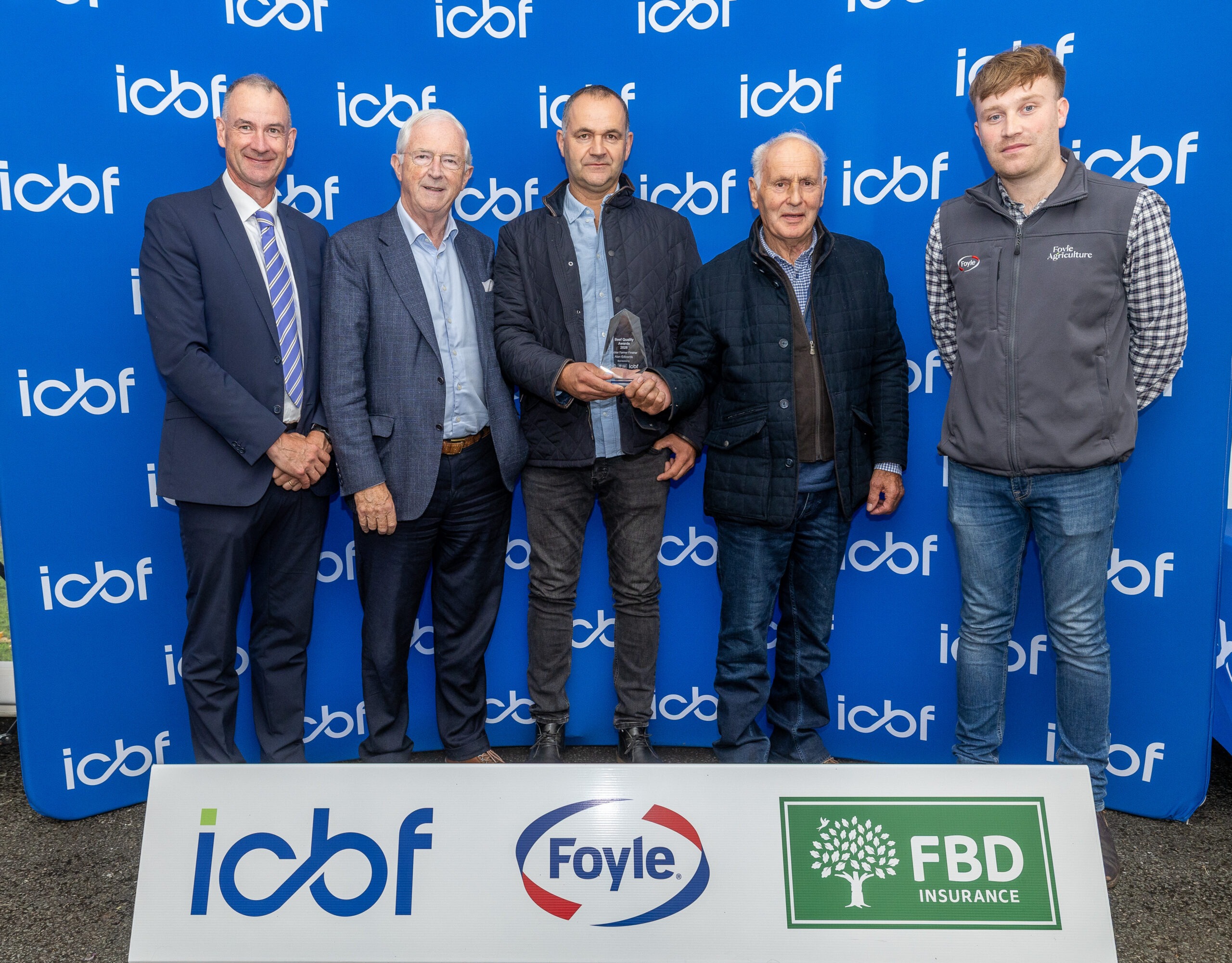
Alan Edwards from near Rathmullan, Co. Donegal, was recognised as the Foyle Suckler Farmer Finisher Award winner at the 2026 ICBF Beef Quality Awards. His family’s farming story spans several generations, and his father, Leslie, at 81 years of age, is still actively involved on the farm.
Today, Alan operates a suckler-to-beef enterprise alongside a dairy calf-to-beef system, which he has successfully integrated into the farm in recent years. The suckler herd consists of approximately 60 commercial cows and operates a split-calving system, with cows calving in March and again during the summer months.
Maintaining a compact calving season is a key focus on the farm, and the results are evident. This year, 23 of the 26 spring calves arrived within a two-week window in March, while the summer-calving group also calved within a highly concentrated timeframe.
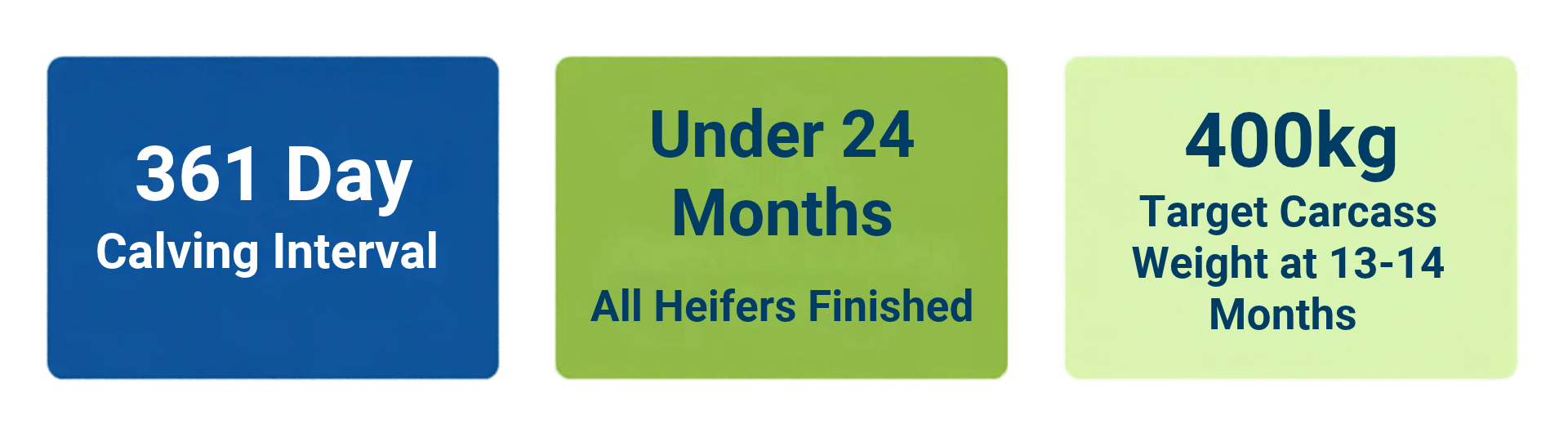
Calving performance within the suckler herd is particularly impressive, with a calving interval of just 361 days, significantly ahead of the national average of 396 days.
A number of management decisions contribute to this performance. Maintaining a strict culling policy and removing cows that develop issues is paramount, according to Alan. Having a surplus of replacement heifers available is equally important, avoiding the temptation to retain problem cows that would otherwise be better culled.
Together, these decisions help maintain a compact calving pattern while supporting greater efficiency and profitability across the suckler-to-beef system.
Breeding for Performance
When it comes to breeding, conventional Limousin and Saler AI straws are used on replacement heifers, depending on whether an animal would benefit from more terminal or maternal traits.
Calving ease is a major consideration, particularly when selecting Limousin sires for use on heifers.
There are also two stock bulls on the farm, an Aberdeen Angus and a Charolais, which run with the cows. Alan regularly uses ICBF data when making breeding decisions, paying particular attention to calving difficulty figures and star ratings.
This approach allows breeding decisions to remain firmly focused on producing functional cattle capable of performing within the farm’s finishing system.
Feeding for Efficient Beef Production
A 20% maize beef ration is introduced during the animals’ first winter. No meal is fed during their second grazing season, helping to maximise grass utilisation before cattle are housed for finishing.
Heifers receive between 5kg and 6kg of concentrates per head per day during finishing and are pushed for approximately 100 days prior to slaughter. All heifers are finished under 24 months, with some finished as young as 20 months. Bulls are typically finished at around 22 months of age.
Although the length of last winter proved challenging, Alan noted that the autumn-born calves performed particularly well. By 13 months of age, they had reached liveweights of 650kg, allowing them to be sold privately, potentially for export.
This year, he is considering a similar approach, pushing the bulls throughout their first winter with the aim of achieving carcass weights of 400kg at 13 to 14 months of age.
Developing the Dairy Calf-to-Beef System
Alan’s dairy calf-to-beef enterprise is now in its fourth consecutive year.
All dairy-beef calves are sourced from one local dairy farmer, creating a strong working relationship and providing consistency in the type of calves entering the system.
Calves arrive on the farm at approximately three weeks of age and are fed milk replacer until around 10 to 11 weeks old. Following weaning, calves are introduced to grass and gradually built up to 2kg of concentrates per head per day during their first grazing season and first winter.
During the second grazing season, no concentrates are fed until cattle are housed for finishing. As with the suckler enterprise, the aim is to finish all cattle under 24 months of age.
Commercial Beef Value (CBV) Showing Promise
While Alan currently sources all of his dairy-beef calves from one local dairy farmer and therefore does not actively use Commercial Beef Value (CBV) when purchasing them, he believes CBV will become an increasingly important tool in the years ahead.
His interest in CBV has already grown through its practical application within the suckler enterprise, where he uses it to assess and compare finishing performance.
This was reinforced by the performance of several suckler-bred heifers recently finished on the farm. Alan noted that the two heifers with the highest CBVs significantly outperformed their counterparts, with their performance closely matching what the index had predicted.
When purchasing replacement heifers, Alan also pays close attention to the Replacement Index, using it as an additional guide when making selection decisions.
Looking ahead, he believes CBV could become particularly valuable to farmers purchasing cattle through marts, providing additional information on the potential finishing performance of animals on offer.
Herd Health and Performance Recording
Herd health is centred around routine management and preventative practices. While Bluetongue vaccination is not currently part of the programme, Alan may consider introducing it in the future depending on disease developments.
The farm also participates in several schemes and programmes, including Dairy Beef Weighing 2026, the National Genotyping Programme (NGP), SCEP and the Suckler Welfare Scheme.
Participation in these programmes provides additional performance and genetic information that can support future breeding and management decisions.
Challenges Facing Beef Farming
Like many beef farmers, Alan identifies volatility as one of the greatest challenges facing the sector.
Factory prices can fluctuate significantly from week to week, making it difficult to plan with confidence. Rising input costs are another major concern, particularly when combined with uncertainty around future cattle prices.
Balancing these costs while maintaining an efficient production system remains an important consideration for the farm.
Future Plans
While Alan intends to continue operating much the same farming system into the future, he sees opportunities to further improve farm infrastructure.
Additional slurry storage and expanded cattle housing are among his key priorities for future investment, providing greater flexibility across both the suckler and dairy-beef enterprises.
Advice for Other Farmers
For farmers operating a similar suckler-to-beef system, Alan is a strong advocate of compact calving. He believes a concentrated calving period simplifies labour management and contributes significantly to overall farm efficiency.
When discussing dairy calf-to-beef production, Alan immediately highlights the importance of the relationship between the dairy farmer and calf purchaser.
Trust and communication are essential, particularly when it comes to calf health and early-life management. Alan believes the care calves receive during their first weeks of life has a lasting impact on subsequent performance, making good early management critical to the success of any dairy calf-to-beef system.
Ultimately, Alan’s approach is centred on consistency. Through compact calving, careful breeding decisions, strong calf management and an increasing focus on Commercial Beef Value, he has developed a system that successfully combines suckler and dairy-beef production while maintaining a clear focus on efficiency and animal performance.
Fitzpatrick’s Focus on Functional Cattle Earns Dawn Meats Suckler Farmer Finisher Award
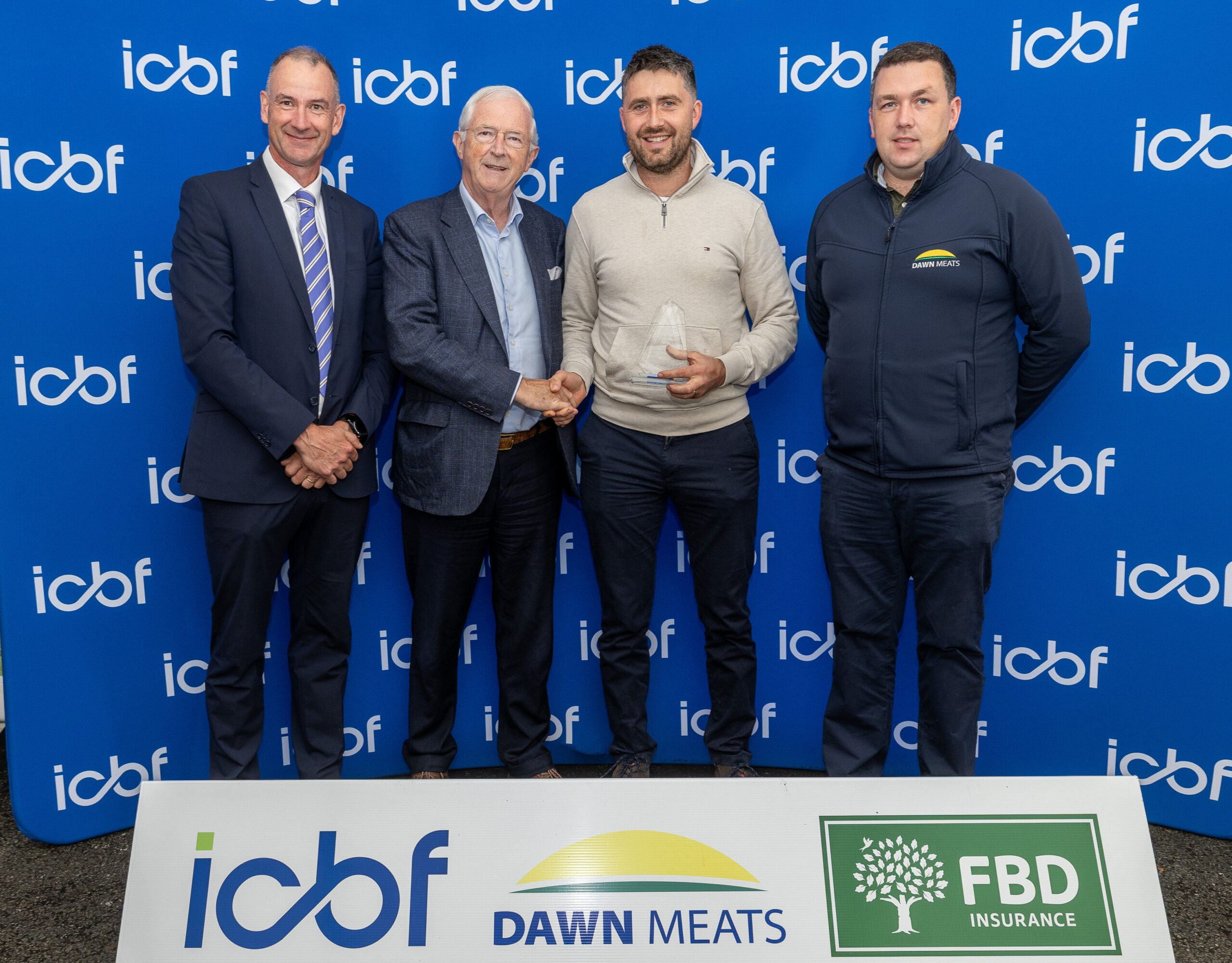
L to R: Sean Coughlan (ICBF), Michael Berkery (FBD Trust), William Fitzpatrick (Suckler Farmer Finisher Winner), Matthew Murphy (Dawn Meats)
William Fitzpatrick, who farms alongside his two sons, Jim and Dan, was recognised as the Dawn Meats winner of the Suckler Farmer Finisher category at the ICBF Beef Quality Awards 2026. The award reflects years of focus on practical breeding decisions, herd health and continuous improvement, resulting in a suckler system that consistently delivers strong commercial performance from birth to slaughter.
Today, the family operates a spring-calving suckler-to-beef system while also sourcing approximately 100 Dairy-Beef calves annually, creating a diverse enterprise built around efficiency, functionality and profitable cattle performance.
Farming in a predominantly dairy region, the Fitzpatrick family has continued to develop a profitable suckler enterprise focused on producing cattle that perform where it matters most, at the factory gate.
Participating in both the National Genotyping Programme (NGP) and SCEP, the Fitzpatrick family have embraced technologies that provide greater insight into herd performance and breeding decisions. While genetics have become increasingly important, Jim, who manages the farm alongside his father William and brother Dan, believes the foundations of the system remain relatively simple.
“We try to keep things straightforward. Good cows, good grass, good health and making the right breeding decisions. That’s what we’ve always focused on.”
Building a Herd Around Functional Females
The Fitzpatrick herd is built around cows capable of producing a quality calf every year while remaining easy to manage and highly fertile.
High-quality stock bulls are used across the herd, with particular emphasis placed on calving ease, temperament and the Replacement Index. As Jim explains, “calving ease is one of the biggest things for us. We want cows that calve easily, rear a good calf and go back in calf again.”
The herd incorporates Stabiliser genetics, with replacement females bred from within the herd. Rather than chasing extremes, the objective is to create productive, durable cows that thrive within a commercial suckler system.
That approach is evident in the herd’s long-term performance. In 2025, the herd achieved a Replacement Index of €104, outperforming the national average of €93. First-calving females achieved an even stronger Replacement Index of €122, compared to a national average of €101.
Five Years of Consistent Improvement
One of the most impressive aspects of the Fitzpatrick herd is the consistency of performance achieved over time.
The herd has continued to improve key efficiency traits and remain ahead of national averages for a number of important performance indicators.
In 2025, the herd achieved 0.93 calves per cow per year, compared to the national average of 0.85. Meanwhile, 88% of replacement heifers calved between 22 and 26 months of age, a figure significantly ahead of the national average of 19%.
The herd’s average cow age has also increased steadily over the period, rising from 4.6 lactations in 2021 to 6 lactations in 2025, demonstrating the longevity and durability of the cow herd. As Jim puts it, “Every cow has to pull her weight. We’re always trying to improve the herd and leave ourselves with better cows each year.”
These figures highlight the long-term focus the family has placed on breeding productive, fertile and durable cows.
A Simple System Built on Quality Forage
The Fitzpatrick family operates a spring-calving system and aims to keep management as straightforward as possible.
Quality grass and silage form the foundation of the feeding programme, while concentrates are used strategically to support growth and finishing performance.
“Once spring calving is finished, it’s finished. It suits our system and allows us to focus on getting cattle performing well.”
Alongside the suckler-to-beef herd, approximately 100 Dairy-Beef calves are sourced annually and brought through to finish. These calves are purchased from trusted local suppliers, helping to maintain consistency while reducing health risks associated with introducing stock onto the farm.
Looking ahead, Jim believes Commercial Beef Value (CBV) will become an increasingly important tool when selecting calves, helping to identify animals with the greatest potential for carcass performance and profitability.
Herd Health Delivering Results
A strong preventative health programme has become a key component of the farm’s performance.
The herd follows a comprehensive vaccination programme, including protection against IBR and respiratory disease challenges.
Jim believes the benefits have been significant.
“Vaccination has been a game changer. We would have had more pneumonia issues years ago, but since introducing a proper health programme, we’ve seen a huge improvement in performance and overall herd health.”
Commercial Beef Value Delivering Results
The benefits of the Fitzpatrick family’s breeding strategy can be clearly seen in the performance of cattle finished from the farm. Higher-CBV animals consistently delivered heavier carcasses, stronger grades and improved profitability, highlighting the value of selecting cattle with superior genetic potential.
Among Beef heifers, animals in the top third for CBV produced carcasses that were 78kg heavier than those in the bottom third while also achieving carcass grades that were three full grades higher. These higher-CBV animals generated approximately €770 more in factory value per head, demonstrating the significant impact genetics can have on profitability.

Similar trends were evident among the young bulls. The top CBV third produced carcasses that were 66kg heavier and generated approximately €379 more in factory value per animal than those in the bottom third.
These results demonstrate the commercial value of genetic improvement and support the Fitzpatrick family’s recognition as Dawn Meats Suckler Farmer Finisher Award winners at the ICBF Beef Quality Awards 2026.
“CBV is something we’ll definitely be paying more attention to. It’s interesting to see the figures backing up what you’re seeing on the ground.”
Looking Ahead
While the award represents an important achievement, Jim’s focus remains firmly on the future.
The aim is to continue improving herd quality, increasing performance wherever possible and maintaining a simple, efficient suckler system built around productive cows and profitable cattle.
For the Fitzpatrick family, the Dawn Meats Suckler Farmer Finisher Award is recognition of a system built on consistency rather than complexity. Through strong breeding decisions, excellent herd health and a commitment to continual improvement, they have developed a herd capable of delivering results both in the yard and at the factory gate. The performance achieved across the herd demonstrates how long-term investment in genetics, herd health and management continues to pay dividends.
Compact Calving, Quality Grass and Strong Genetics: Harry Mellody‘s Award-Winning Suckler-to-Beef System
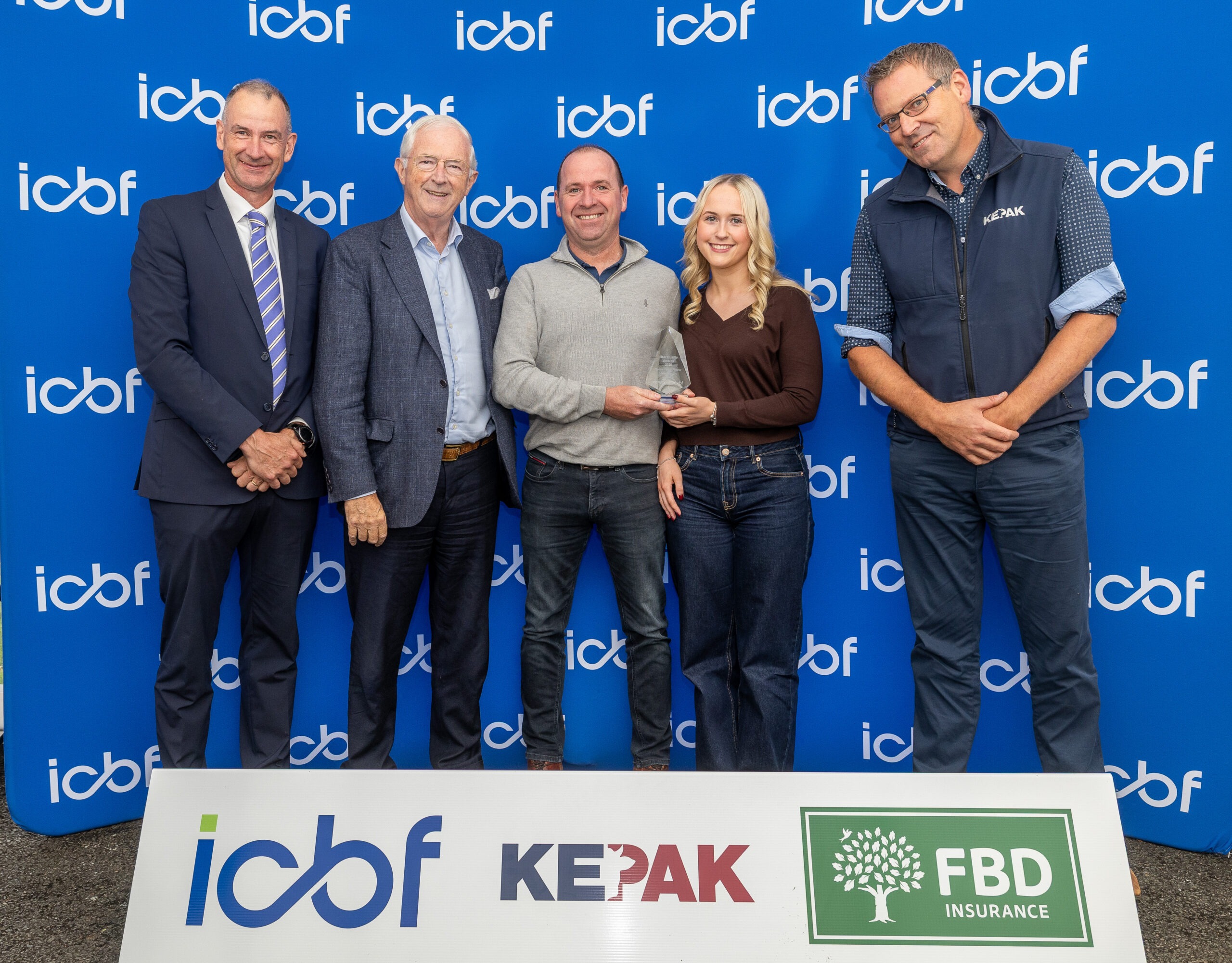
L to R: Sean Coughlan (ICBF), Michael Berkery (FBD Trust), Harry Mellody (Suckler Farmer Finisher Winner), Frank Clarke (Kepak)
Harry Mellody from Menlough, Ballinasloe, Co. Galway was recognised as the Kepak supplier winner of the Suckler Farmer Finisher Award at the Beef Awards 2026, highlighting the consistent performance achieved within his suckler-to-beef enterprise. Built on compact calving, quality grassland management and a focus on producing efficient, profitable cattle, Harry’s system demonstrates how good management and informed breeding decisions can deliver results from birth to finishing.
A full-time farmer, Harry inherited the farm from his father in 2001 and today farms approximately 200 acres of owned land. The system is centred around approximately 70 suckler cows, with all progenies retained and finished on the farm. Limousin and Charolais bloodlines feature prominently throughout the herd, with Charolais sires used to maximise growth, carcass weight and finishing performance. Harry has also been participating in the National Genotyping Programme (NGP) since 2024, helping to strengthen the genetic information available within his herd and providing valuable insights into animal performance and genetic potential.
A Fully Integrated Suckler-to-Beef System
Harry’s aim is to produce cattle efficiently and consistently. Heifers are typically finished at 22 to 23 months of age, while young bulls are finished at under 16 months. In addition to finishing his own stock, Harry also purchases approximately 25 Angus heifers each year and brings them through to finishing. By taking cattle right through from breeding to finishing, and supplementing the system with carefully selected purchased animals, Harry can see first-hand the impact that genetics, management and performance recording have on final results.
Grass at the Heart of the System
Like many successful suckler enterprises, grass is a key driver of performance on the farm. Harry describes his farm as relatively dry, allowing cattle to get out to grass early in the spring, often from mid-February onwards when conditions allow.
Quality grazed grass and silage remain the foundation of the feeding programme. During winter, cattle are housed on a combination of slats and straw bedding and are fed silage alongside concentrates. Finishing bulls receive ad-lib concentrates with straw to support high levels of performance.
Harry believes that high-quality grass is one of the most important factors in producing strong-performing continental cattle. “Feeding good quality grass is essential.”
Compact Calving Drives Herd Performance
One of the standout features of Harry’s system is the emphasis placed on maintaining a tight calving pattern. He operates a strict culling policy on late-calving cows and believes compact calving is fundamental to the efficiency of the herd.
The farm’s calving figures highlight the success of this approach:
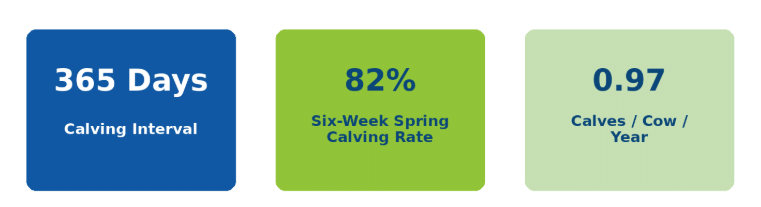
The herd began calving on 26 January 2026, with half of all cows calved by 13 February, helping to create a very uniform batch of calves for management and finishing purposes.
Harry explains: “We try and keep a tight calving pattern. We try and cull anything that’s late, regardless of how good it is.”
Terminal Genetics and Buying Replacements
Harry operates a terminal breeding system using Charolais stock bulls. Because of the strong terminal focus, replacement females are generally purchased as in-calf heifers rather than bred within the herd.
The Charolais bulls are then used on cows that are not required to produce replacements, allowing Harry to maximise carcass and growth potential from the animals destined for finishing.
Using CBV to Select Better Cattle
Commercial Beef Value (CBV) has become an important tool for Harry when sourcing animals. He believes the information provides a useful indication of future performance and that it will become increasingly important as both suckler and dairy-beef systems continue to evolve.
“I think CBV is going to become even more important in calf sourcing. It has to be, because it gives an indication of an animal’s future potential. In some regard, you’re predicting their future.”
When asked whether higher CBV animals generally deliver better results on farm, Harry’s answer was straightforward: “Yes, of course.”
His finishing results suggest there is good reason for that confidence.
CBV Delivering Results at Finishing
Results from Harry’s 2025 Annual Finishing Report: CBV showed a clear link between higher CBV and improved finishing performance, with the top-performing animals delivering heavier carcasses and stronger factory returns.
Among the heifers, animals in the top third for CBV averaged a CBV of €517 compared to €383 for the bottom third. This translated into heavier carcasses, averaging 352kg compared to 312kg, while delivering almost €300 extra in factory value per animal.
A similar trend was evident among the young bulls. The top third for CBV averaged €532 compared to €401 for the bottom third and produced carcasses averaging 408kg compared to 340kg. These higher-CBV bulls generated over €570 more in factory value per head, highlighting the significant impact genetics can have on finishing performance.
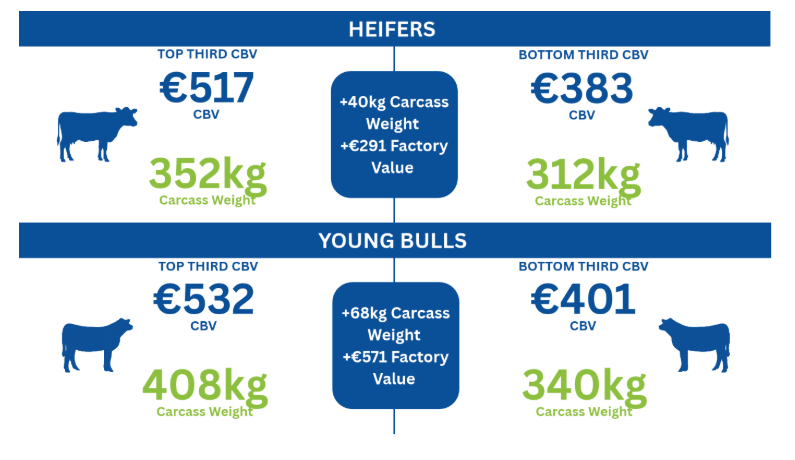
Perhaps most notably, the higher-CBV bulls achieved these results at virtually the same finishing age as the lower-CBV group, producing heavier carcasses and greater factory returns without requiring additional days to finish. This demonstrates the value of selecting animals with stronger genetic potential from the outset.
Strong Focus on Herd Health
Maintaining animal health is another important aspect of the system. The herd follows a preventative vaccination programme, with cows vaccinated for Rotavec and young animals receiving routine vaccinations, including protection against blackleg. Finishing bulls are also vaccinated against pneumonia.
Thanks to a strong preventative health programme, Harry reports that the farm experiences very few major health issues.
The herd’s recording standards are equally impressive, with almost all births recorded with a known sire and calving survey data recorded for every birth.
Looking Ahead
While Harry is generally satisfied with the current system, he continues to focus on fine-tuning herd performance and improving stock quality where possible. Like many farmers, rising input costs and market volatility remain key concerns.
Despite these challenges, he remains optimistic about the future and believes technologies such as CBV, combined with good management, will continue to help farmers make more informed breeding and purchasing decisions.
For Harry, success comes back to a few core principles: maintaining a compact calving pattern, using strong terminal genetics, producing quality grass and making decisions based on good information. The performance of his herd demonstrates the value of that approach and helps explain why he was recognised as Kepak’s Suckler Farmer Finisher Award winner.