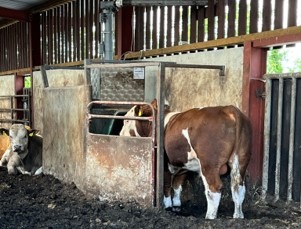
About Tully
The ICBF Beef and Dairy Research Centre in Tully has evolved over time to support the Irish cattle breeding industry. The centre previously tested bulls for feed efficiency and growth. Since 2012, the centre has focused on testing the progeny of artificial insemination (AI) sires rather than the sires themselves, as part of the Beef and Dairy Gene Ireland Breeding Programme, and has also supported collaborative cattle research projects.
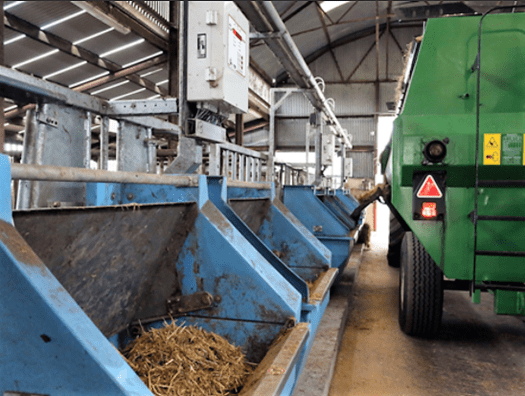
Progeny testing allows detailed performance data to be collected on traits that are difficult and expensive to measure on commercial farms. To ensure fair comparisons, we manage cattle within each batch identically, allowing genetic differences to be accurately determined.
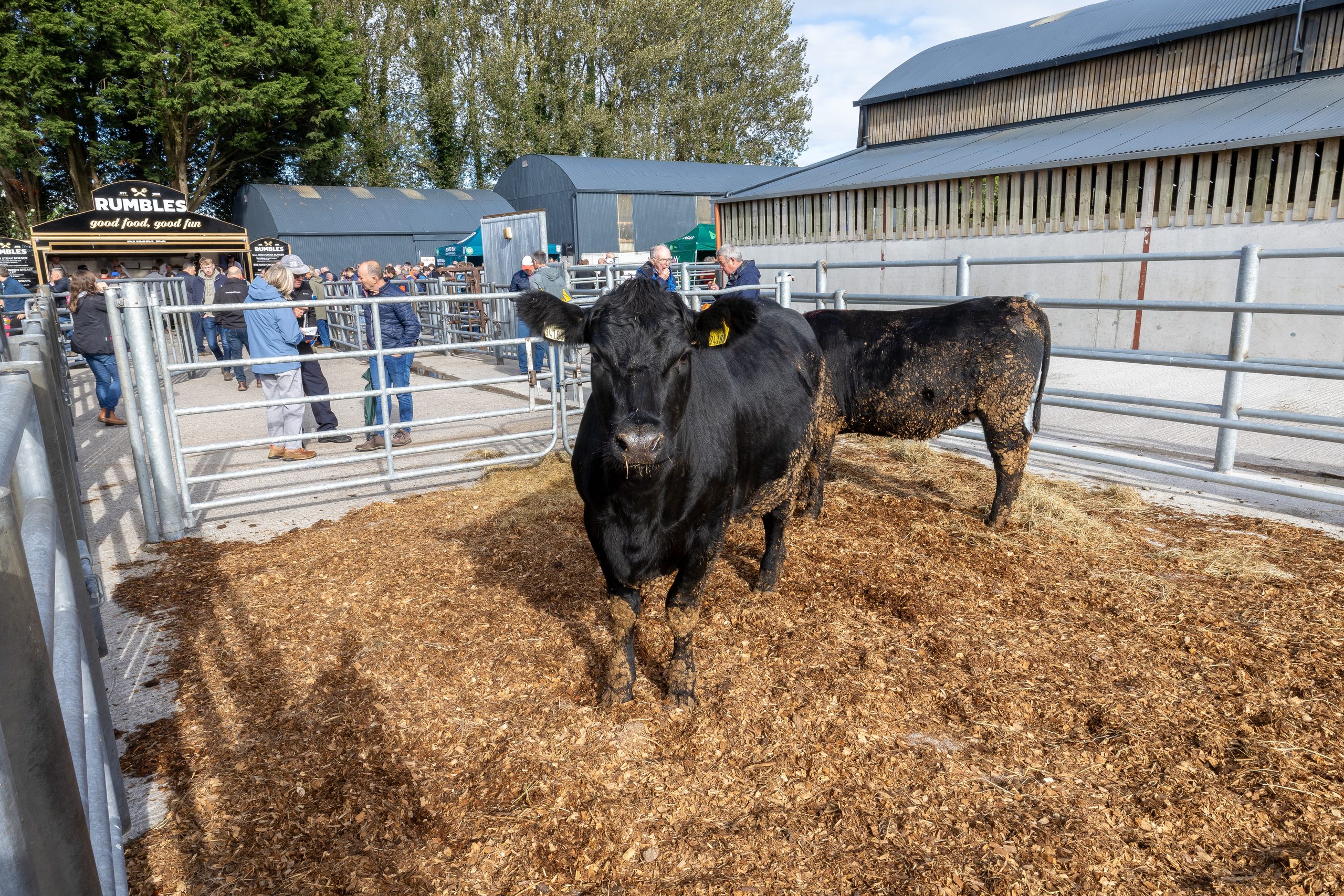
Currently, batches of 30–50 cattle of the same sex with a mix of breed types enter the centre together, with approximately 700 animals evaluated per year. All animals within a batch are of a similar age to each to other. After a 2–3 week acclimatisation period, all cattle in a batch start testing on the same day. Depending on sex and breed type, the test period lasts between 55 and 90 days.


During this period, data are collected on:
- Daily feed and water intake
- Liveweight gain
- Ultrasound body composition
- Linear scores of muscularity and function
- Daily methane production
At the end of the test, all cattle in a batch are slaughtered on the same day in the same abattoir. We capture further detailed carcass measurements from each animal, including the weights of individual meat cuts and striploin steak samples for sensory analysis (i.e. taste testing).
All this high-quality, hard-to-record data enters the ICBF centralised database for genetic evaluations, where commercial farms can realise its full value. By combining DNA information through genomics with data from the progeny of widely used AI sires, ICBF can generate accurate genomic evaluations from these relatively small national datasets, delivering genetic gain across the national herd.
In addition to being a central part of the Gene Ireland breeding programmes, the facilities at Tully, along with ICBF expertise, support collaborative research projects with other domestic and international research organisations. Currently supported projects through Tully include:
Marginal Abatement in Grazing Systems (MAGS):
- Fuded by DAFM
- Investigate the interaction between diet, methane genetic merit, and the rumen microbiome in methane production mitigation
Meat Technology Ireland (MTI) Genetics Pillar:
- Funded by Enterprise Ireland & Meat Technology Ireland
- Investigate the interaction between diet, methane genetic merit, and the rumen microbiome in methane production mitigation
Roadmap:
- Ireland-New Zealand Joint Research Call
- Roadmap for efficient and effective ruminant breeding programmes to reduce enteric methane production
Methane Predict:
- Ireland-New Zealand Joint Research Call
- Development and validation of high-throughput predictors for large-capacity screening of methane-emitting rumiant livestock at an individual and system level