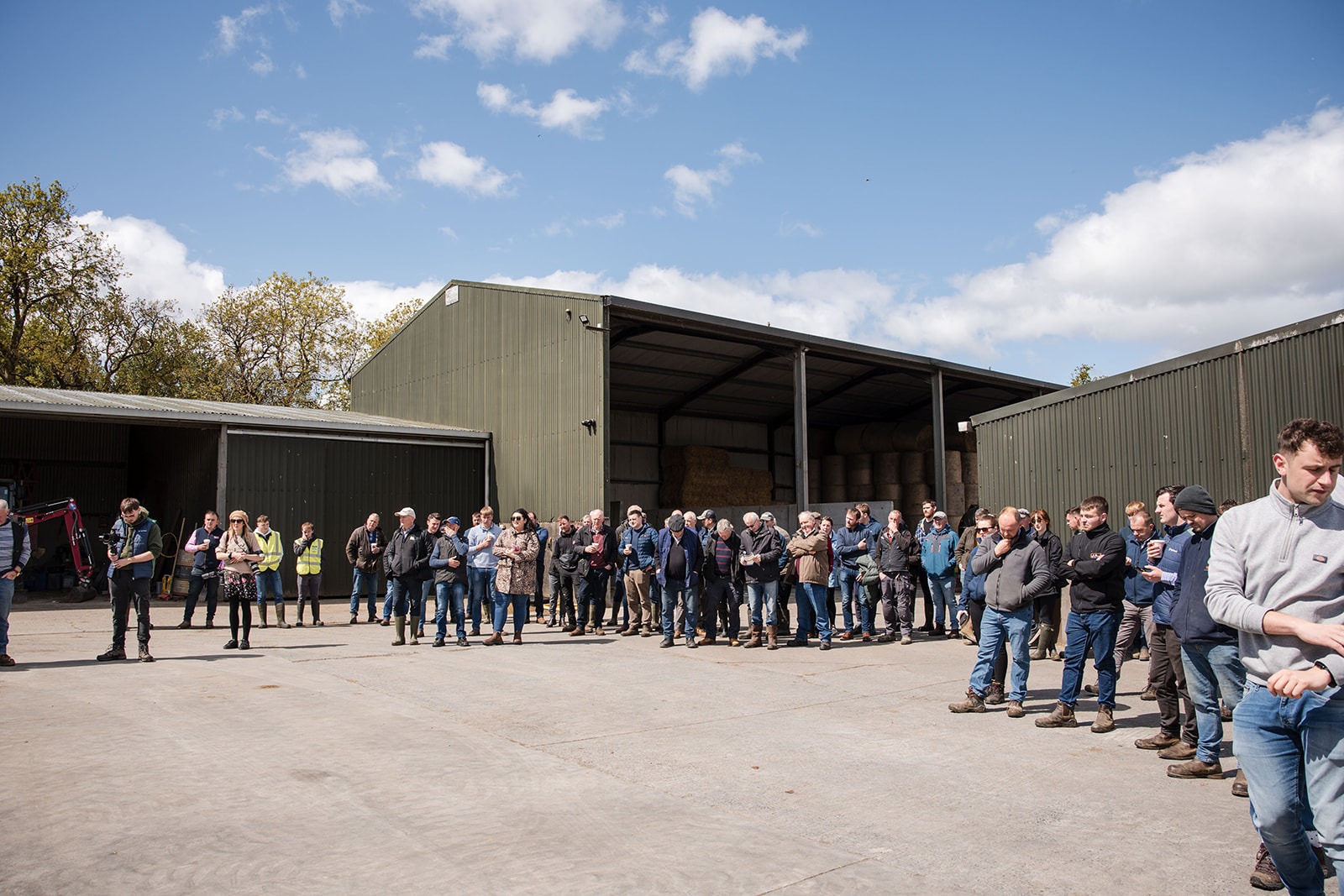
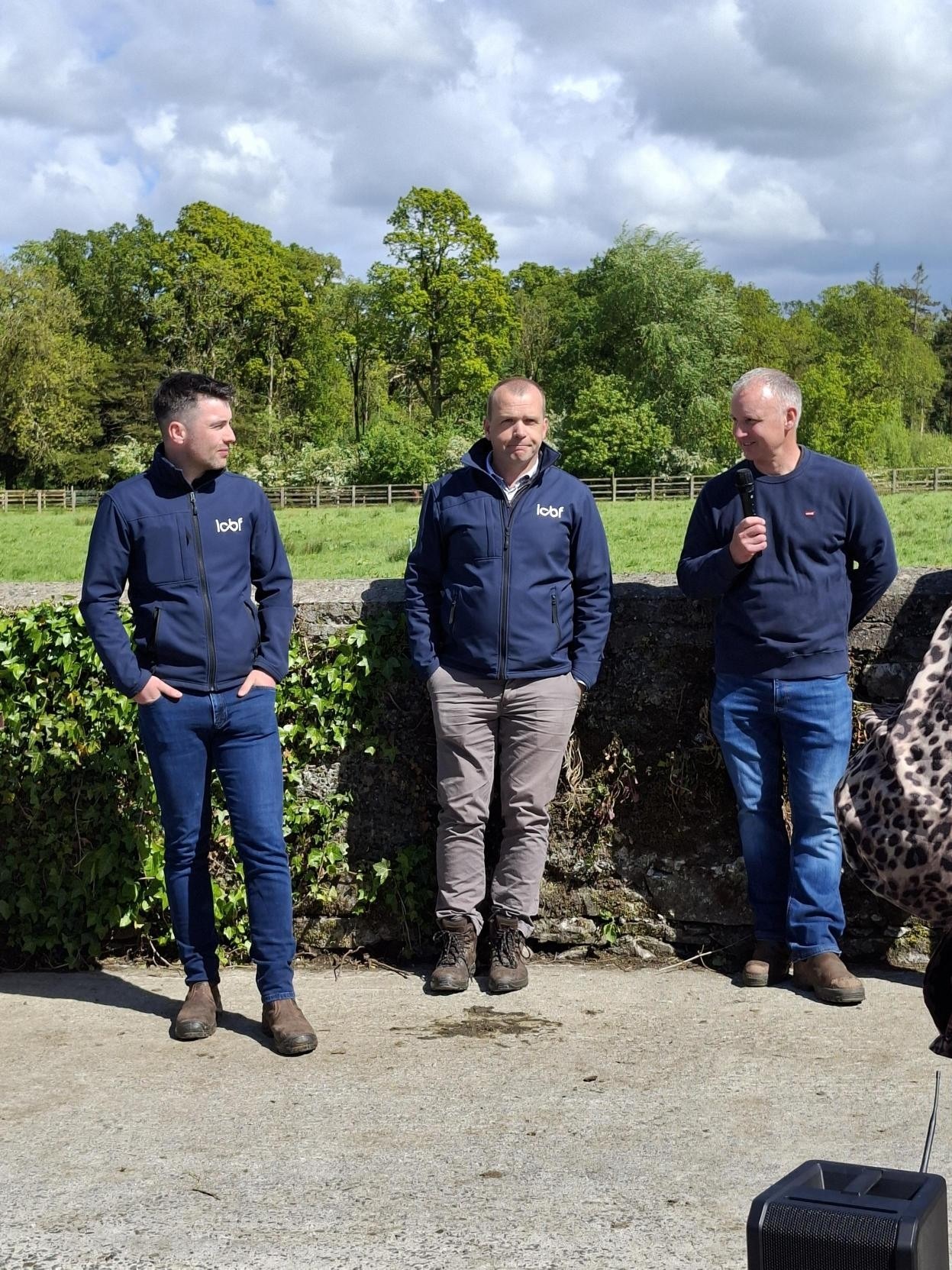
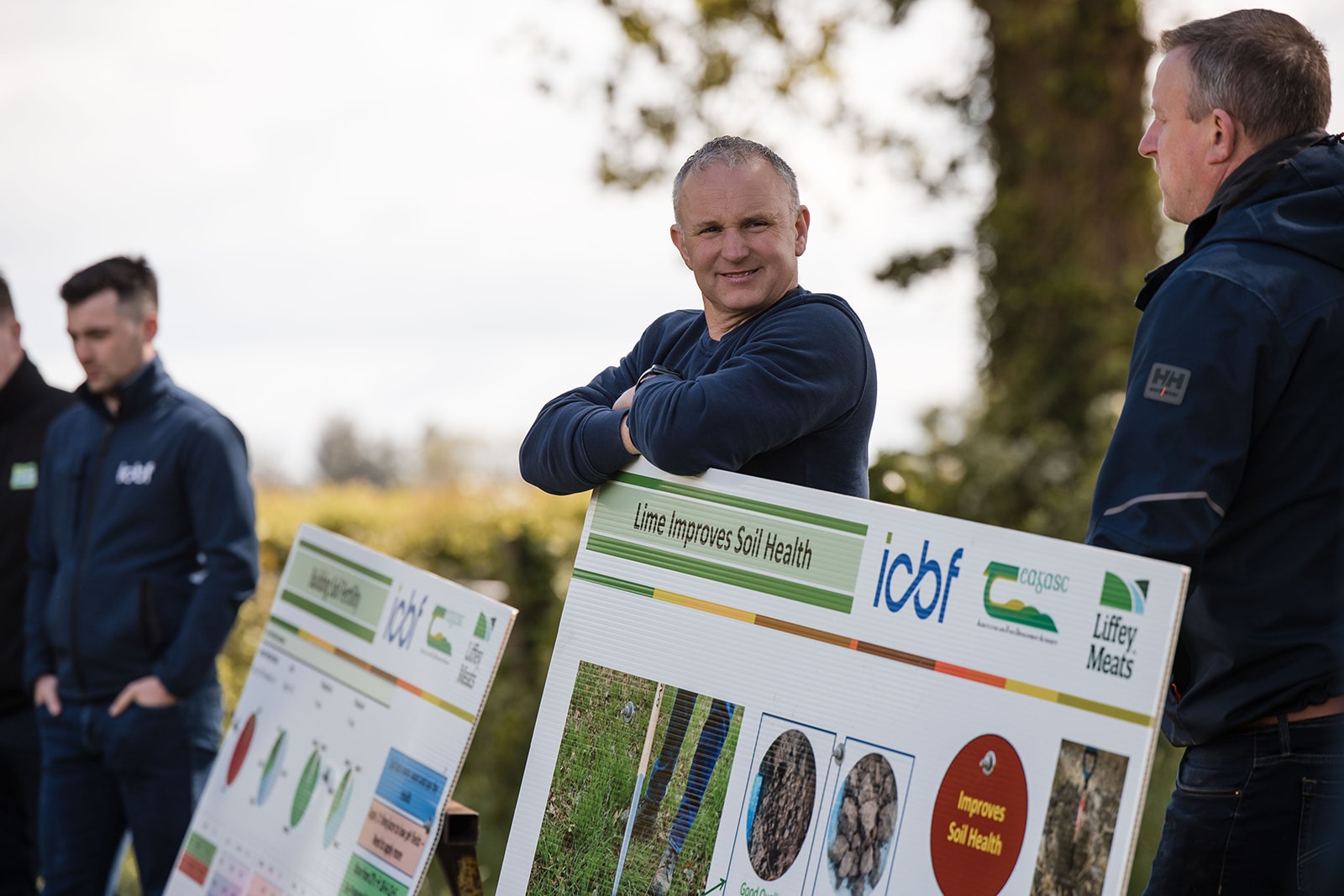
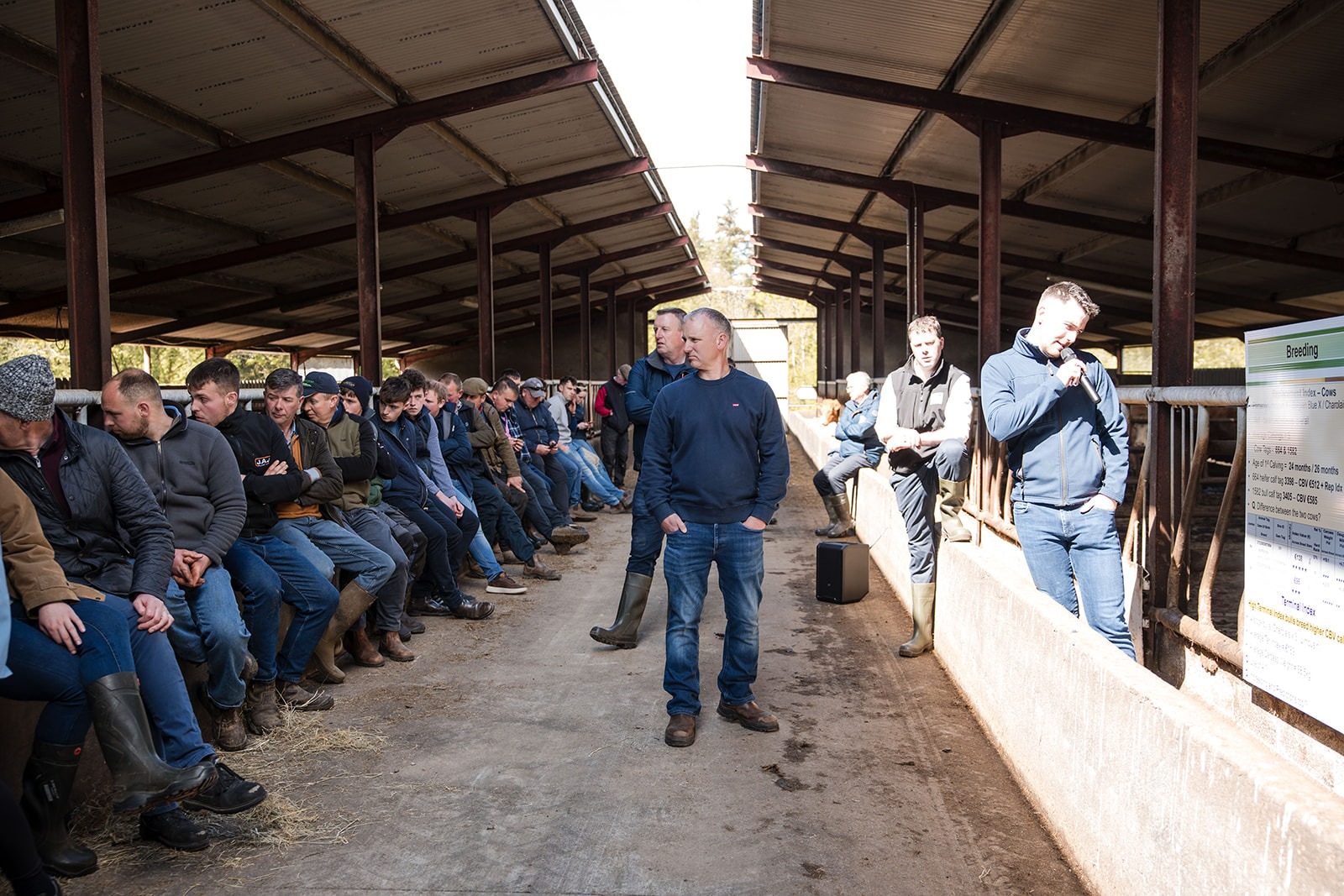
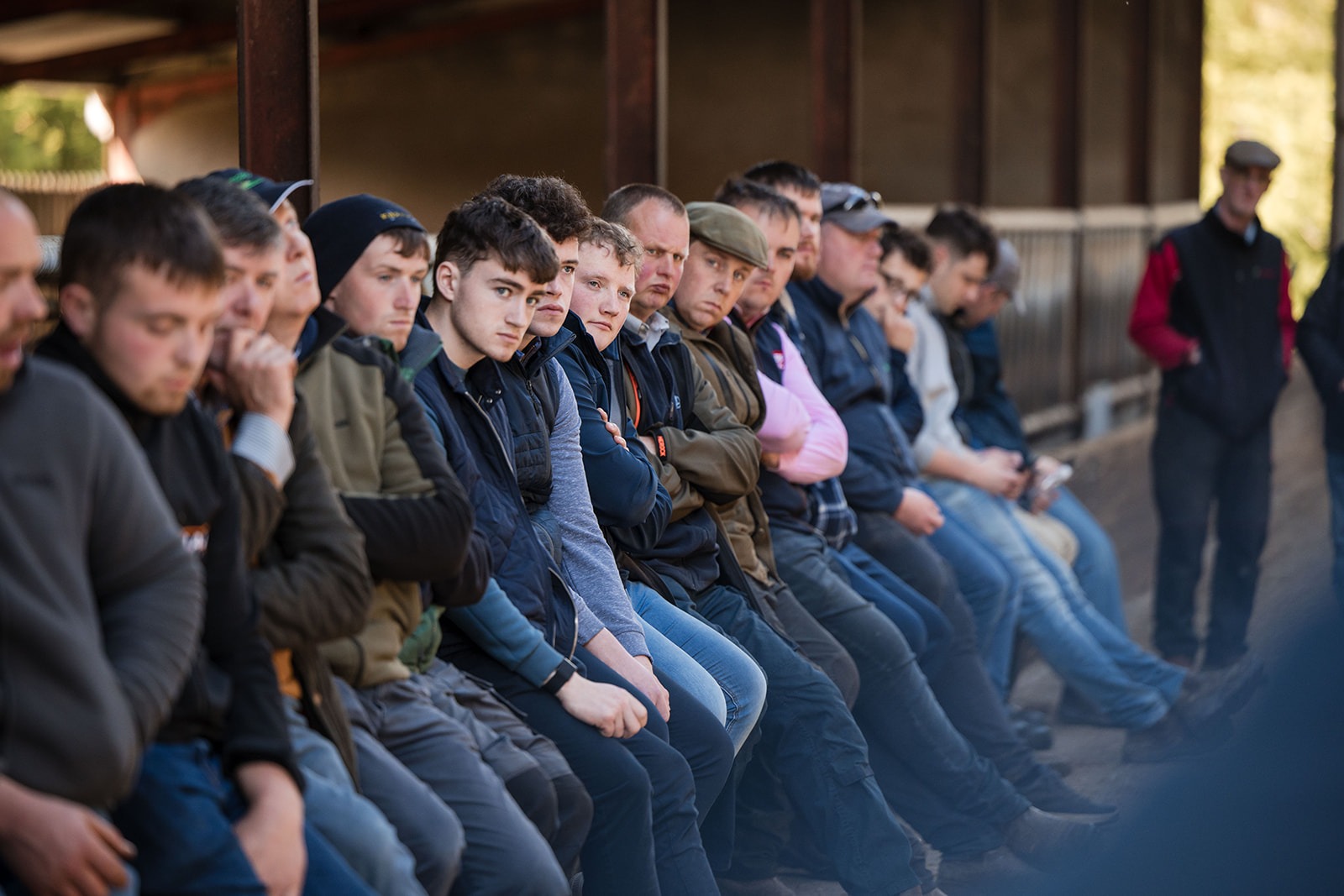
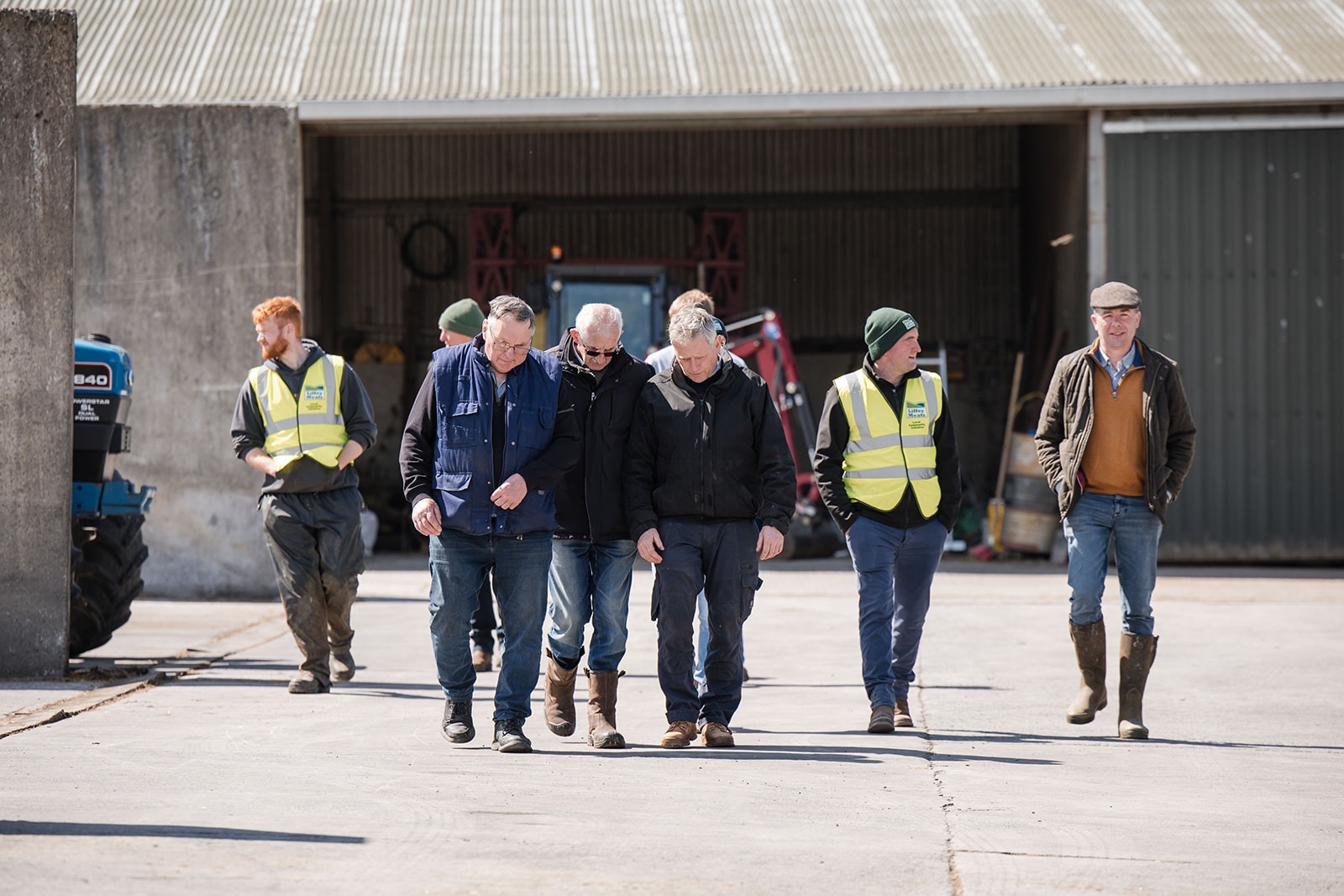
A great turnout at Brian Jordan’s Co. Longford farm walk showcased how CBV-driven breeding decisions are delivering clear, measurable results on the ground.
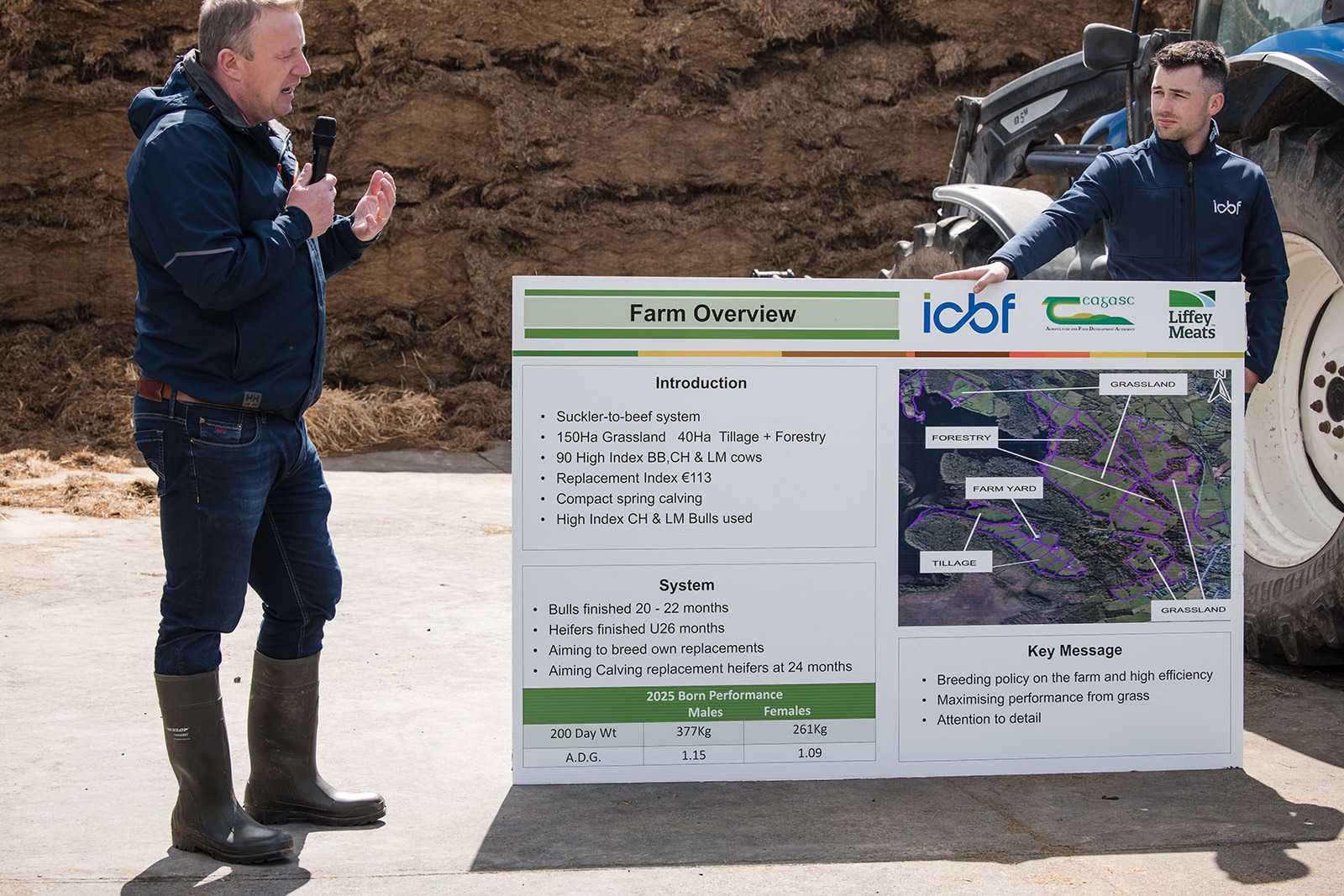
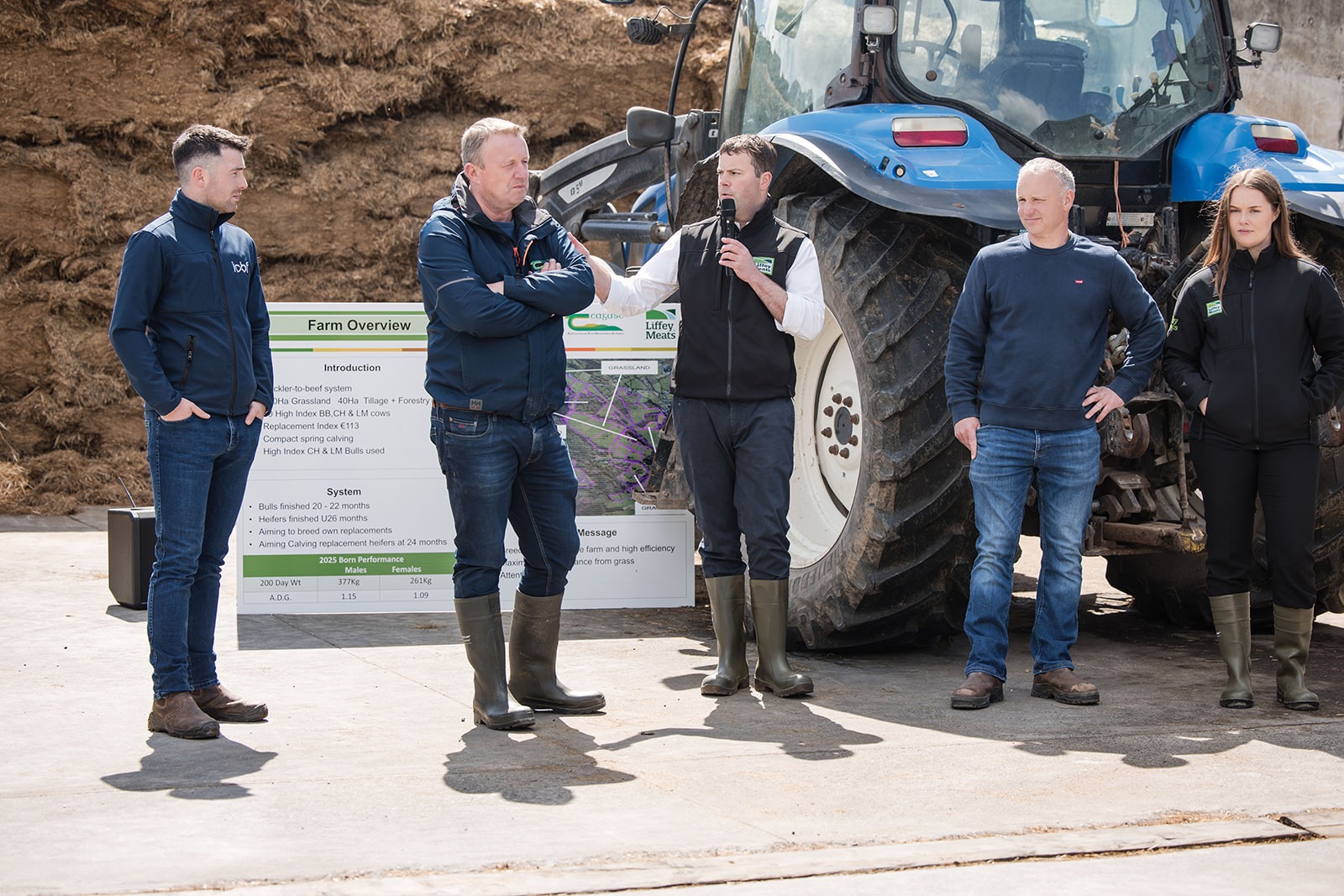
Farmers attending the ICBF, Teagasc and industry farm walk were given a clear insight into how a combination of targeted genetic selection, practical day-to-day management and a structured finishing system is driving consistent, high-quality beef output on the Castle Forbes Estate.
Photos by Sonja Smith
Brian Jordan manages the suckler beef herd on the Castle Forbes Estate outside Newtownforbes, Co. Longford. His interest in farming stems from growing up on a farm where his father kept pedigree Limousin and Charolais cattle, and he worked alongside him before taking on his current role.
The farm operates a suckler-to-beef system, finishing animals as cows, heifers and young bulls, while also incorporating a tillage enterprise. Crops such as barley, wheat and beans are grown on the farm, helping to improve self-sufficiency and reduce reliance on purchased feed.
Herd & Breeding Strategy
The herd consists of approximately 100 spring-calving cows, with calving running from February through to April. The cows are predominantly Limousin bred, with some Belgian Blue and Charolais cross animals also present.
Charolais stock bulls are used extensively on mature Limousin cows, while Limousin AI is used on heifers and on cows with higher Charolais or Belgian Blue breeding. A combination of homebred and purchased high-index heifers are used as replacements, although sourcing suitable replacements has become increasingly challenging in recent years.
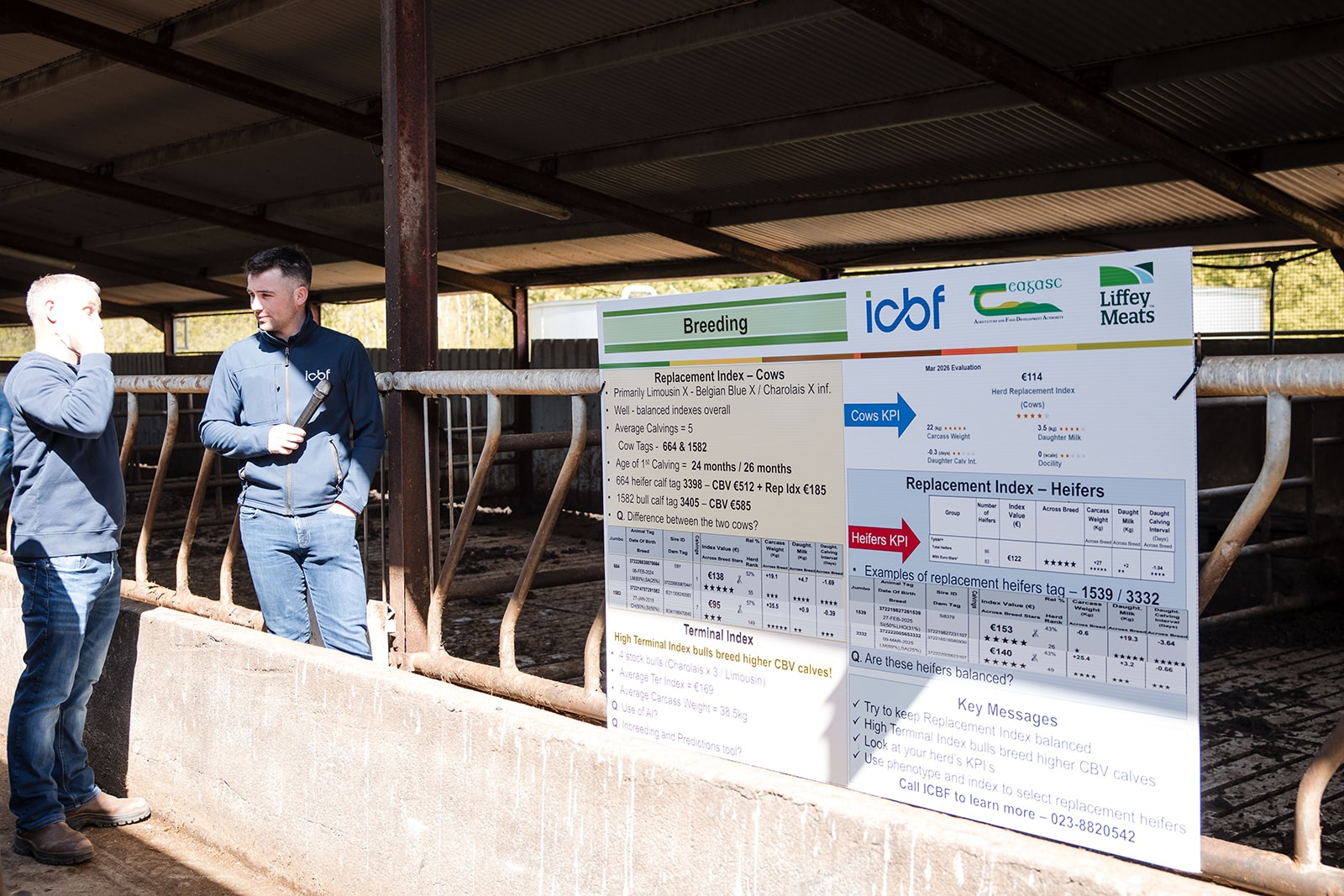
Brian has long valued the EuroStar Index through his involvement in SCEP, and more recently has placed increased emphasis on Commercial Beef Value (CBV) in his breeding decisions. Bulls are initially selected on visual traits, particularly terminal characteristics, with figures then used to support final selections. Limousin AI sires are carefully chosen to breed suitable replacement heifers.
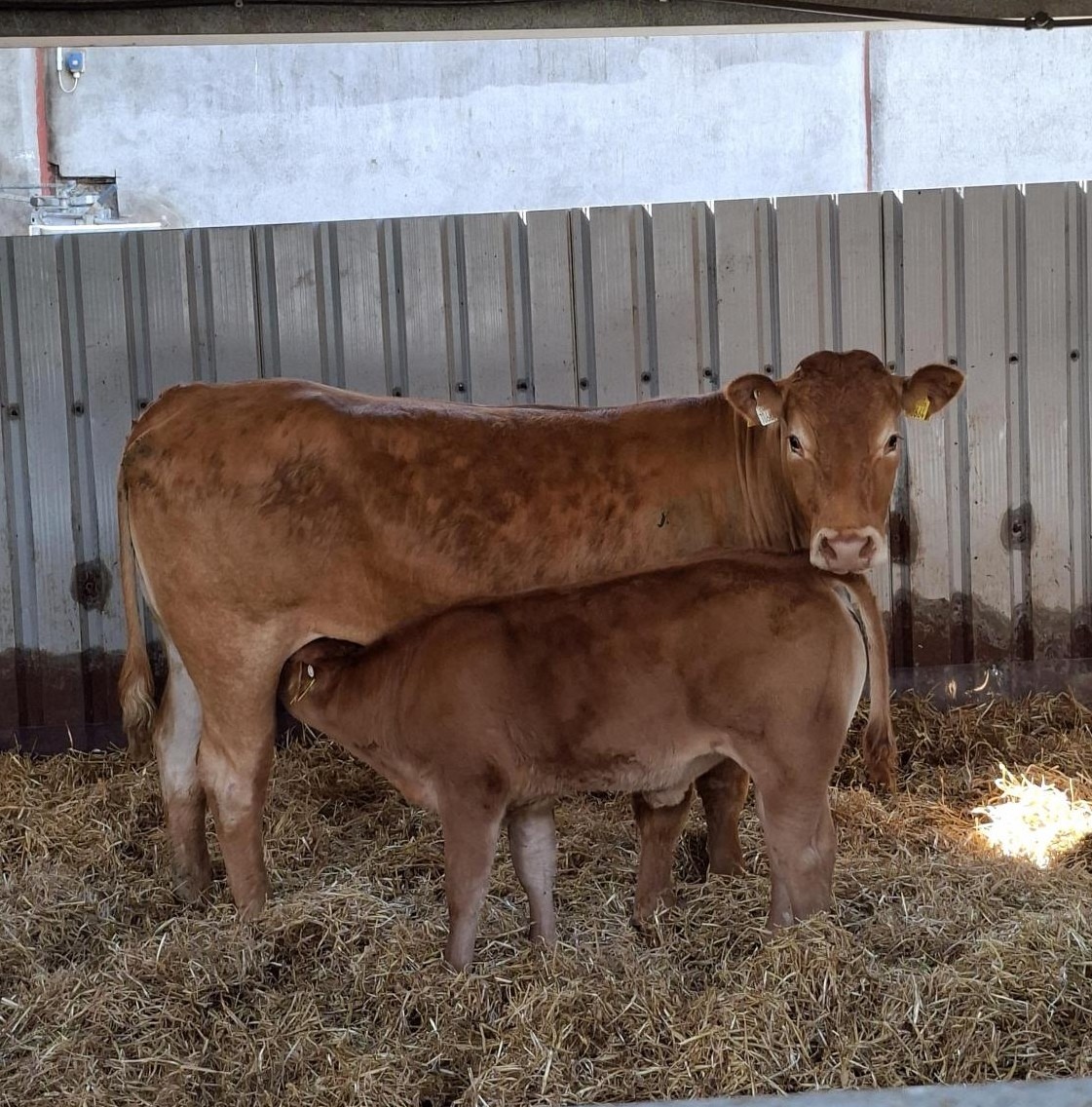
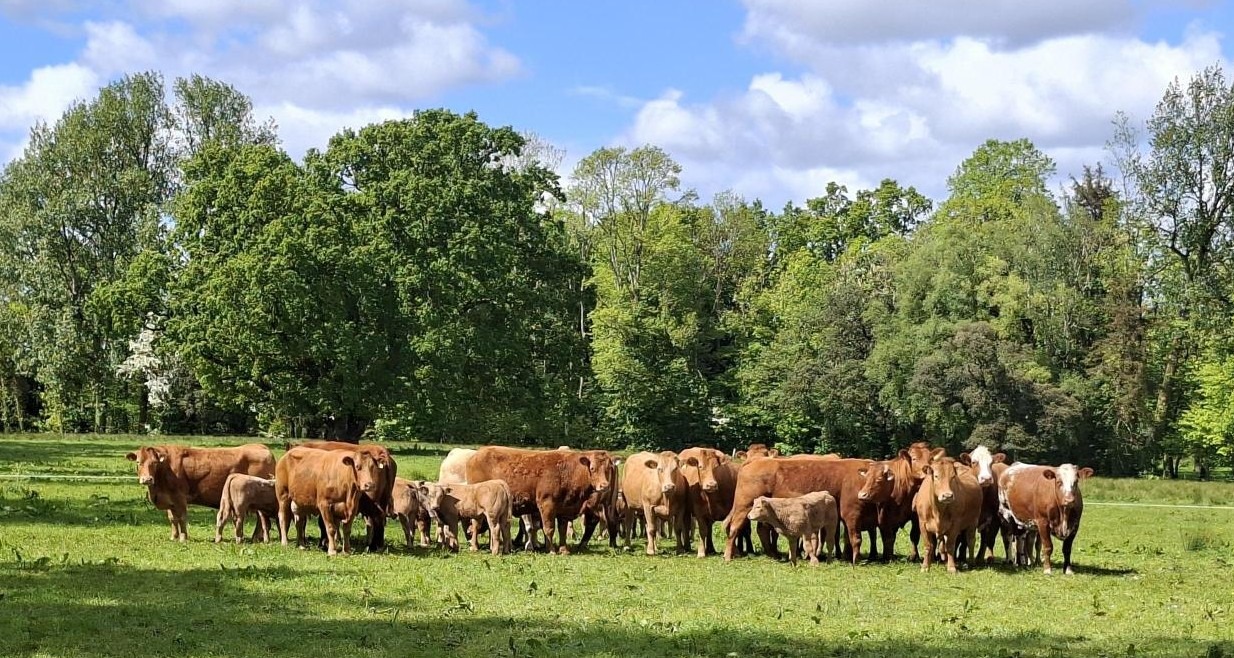
Some of the animals on the Castle Forbes Estate
Feeding & System
The farm operates a total mixed ration (TMR) system across all stock classes:
- Cows are fed pit silage, hay and pre-calving minerals
- Weanlings receive silage, homegrown straw and barley, supplemented with soya and minerals
- Finishing cattle are fed a ration of homegrown straw, barley and silage, with some additional maize and soya
This approach maximises the use of homegrown feed while maintaining performance.
Previously, under 16-month bull beef was trialled, but due to rising costs, the system shifted to finishing bulls at 21–22 months. This allows animals a second grazing season before being housed and finished indoors.
Performance
Strong performance is evident across the herd:
- Bulls are targeted at 440–450kg carcase weight, grading mainly U=
- Heifers are slaughtered under 24 months at 370–380kg, with some exceeding 400kg, grading mainly U- and R+
Bulls are built up to high concentrate intakes (up to 14kg/day) in the finishing phase to achieve target weights.
Cattle are processed through Liffey Meats.
Using CBV to guide breeding
Genetics are playing an increasingly important role on the farm, with a growing focus on using ICBF data to support decision-making. Brian has placed particular emphasis on Commercial Beef Value (CBV), alongside the EuroStar Index, when selecting breeding animals. This approach helps to balance maternal traits with strong terminal performance, ensuring both replacement females and finished cattle meet the requirements of the system. While visual assessment remains an important part of selecting bulls, it is now backed up by index figures to ensure more consistent and informed decisions. This combination of practical experience and data-driven selection is helping to drive continued improvement within the herd.
Key messages from the day
The farm walk clearly demonstrated how strong genetics, when combined with a straightforward, well-run system, can deliver real results on farm.
For those in attendance, the key takeaway was the importance of having a clear plan — from breeding right through to finishing — and using tools such as CBV to support decisions at every stage of the production system.
Photos by Sonja Smith
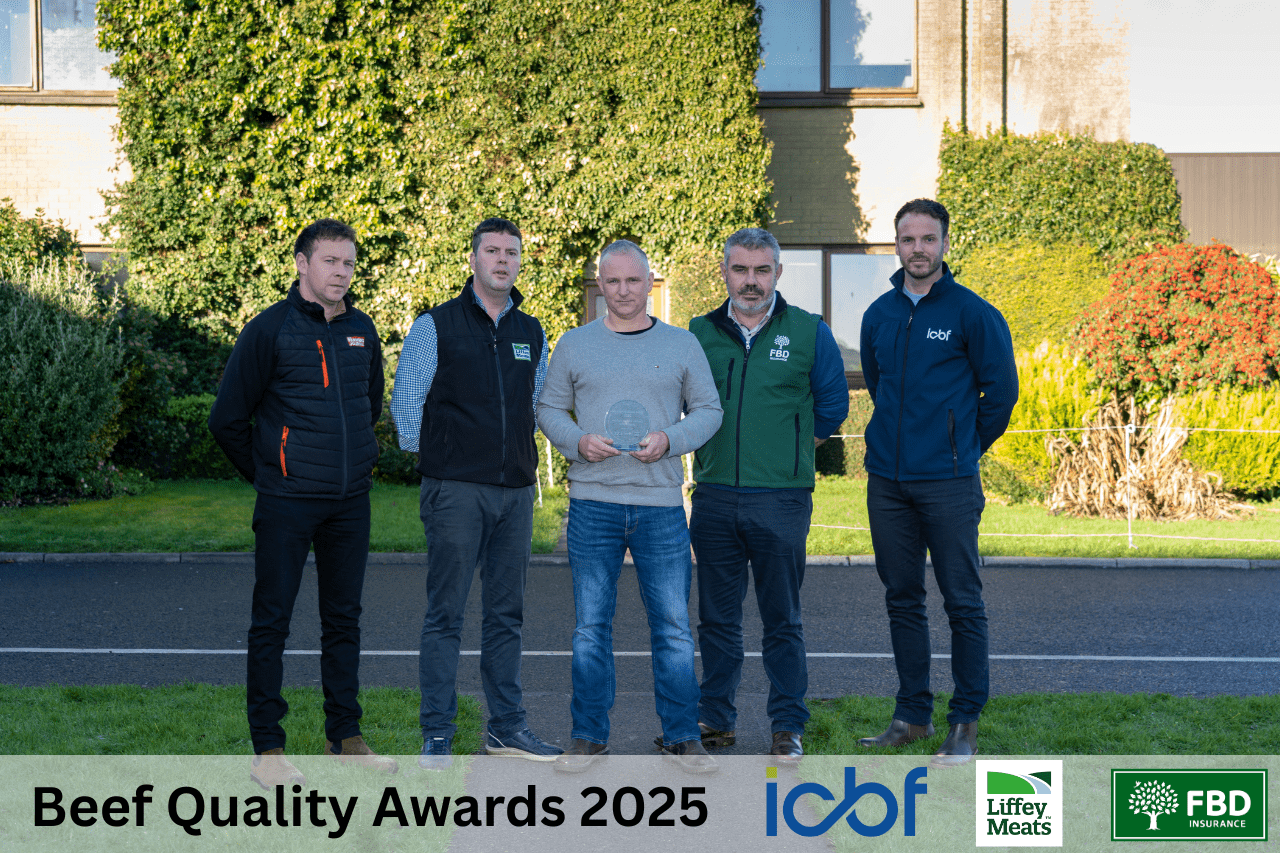
ICBF would like to take the opportunity again to congratulate Brian Jordan on this well-deserved recognition, reflecting the progress and performance being achieved on the Castle Forbes Estate through a clear focus on genetics and system efficiency.