
How the National Genotyping Programme is enhancing data accuracy, parentage verification and breeding decisions on Irish farms.
Mike Bermingham, along with his wife Tina, is milking a herd of approximately 90 dairy cows outside Fermoy, Co. Cork and joined the National Genotyping Programme (NGP) in August 2023, during the first year of the scheme. His main reason for joining was to make sure the data he was using for breeding decisions was correct, particularly around parentage and EBI.
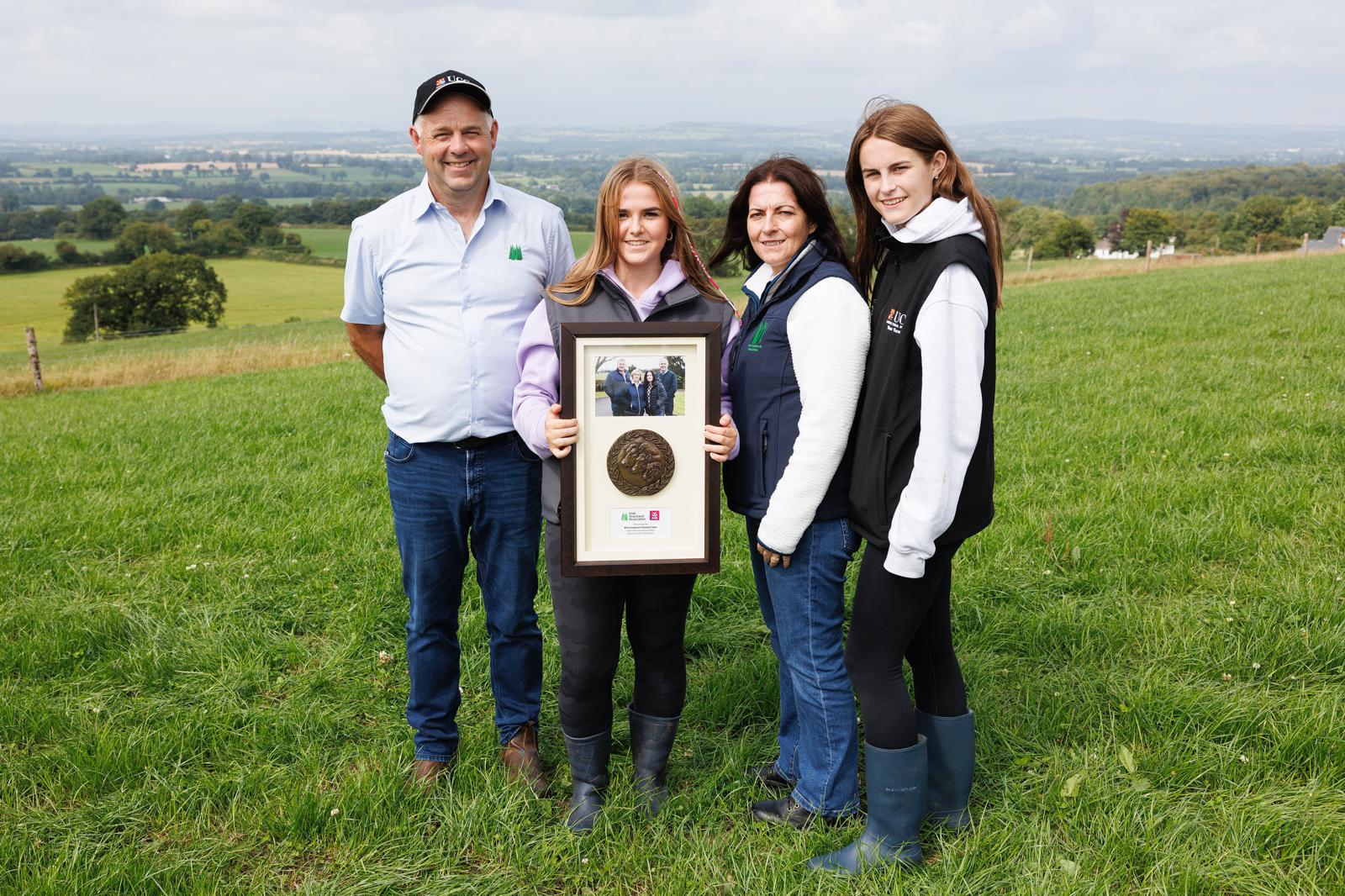
Before joining, Mike felt genotyping could help reduce uncertainty at calving, especially when matching cows to calves. This proved to be the case very early on, with DNA results highlighting errors that would otherwise have gone unnoticed. He recalled one night where three calves were born in the one pen. When he came down the following morning, they were all settled with cows, but when the genotyping parentage results came back, it showed that all three had swapped dams overnight. Genotyping ensured they were matched back to their correct dams, ensuring their evaluations were accurate from the start.
From a practical point of view, the system fitted easily into his routine. Having already been familiar with BVD sampling, he found genotyping straightforward to manage with no real issues. He runs a consistent system, posting samples once a week every Monday and typically receiving results within a short turnaround time. In 2026, it took on average 6.6 days from birth to lab receipt and 3.8 days for samples to be genotyped, a noticeable improvement from 2025 (8.3 and 4.9 days) and 2024 (8.6 and 4.4 days). Results then progress quickly through to blue card stage. This helps him stay on top of registrations and any corrections, even during busy periods like calving, with blue cards typically received within two weeks of the calf being born.
A key benefit for Mike is the confidence that DNA verification gives him. Parentage is now fully confirmed, removing any doubt around breeding records. As he put it, he “now knows exactly what animals he has and can rely on the information in front of him.” Over time, the process has become even more reliable, with consistent turnaround times and the majority of the herd now genotyped with confirmed parentage. This has reduced errors and strengthened the quality of the data available for breeding and herd management decisions.
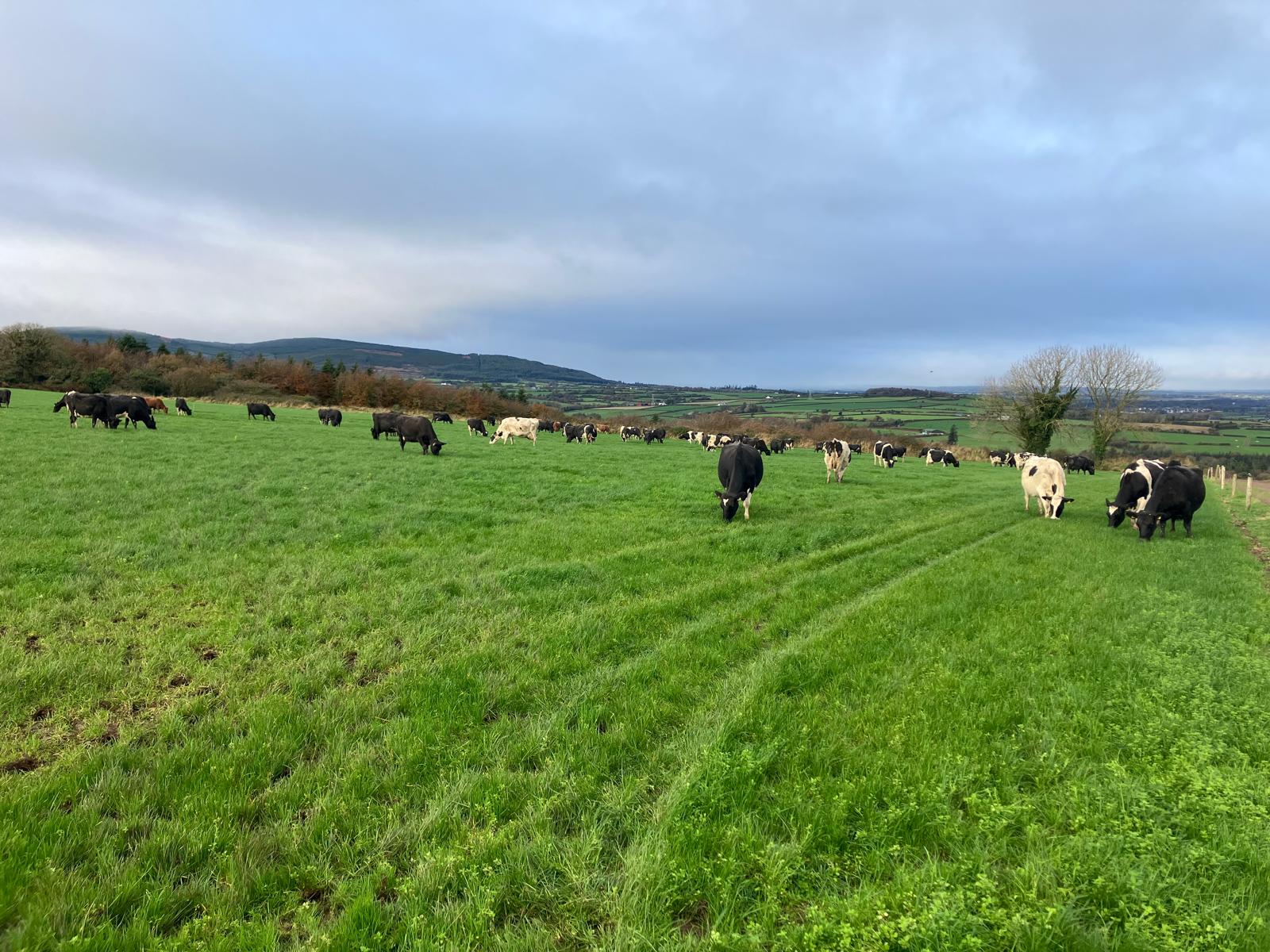
This has been particularly valuable on his farm where multiple stock bulls are running with the herd. Genotyping allows him to clearly identify which bull is performing, something that would have been difficult to track accurately in the past. It also builds a valuable, reliable dataset over time for different AI bulls he may use, as he can see exactly how their genomically proven daughters are performing or projected to perform before purchasing straws. This gives him “more confidence in selecting the next generation of bulls.”
Mike uses genomic results early, reviewing them “as soon as they come back and again before making breeding or sale decisions.” While the programme has not completely changed his breeding strategy, it has helped refine it, particularly his focus on improving milk solids and selecting more productive replacements.
This is reflected in herd performance, with strong fat and protein levels coming through in his milk recording results. The herd is currently averaging €175 EBI, with strong performance across key KPIs, including milk solids production of 580kg per cow, a calving interval of 366 days and a 6-week calving rate of 99%. The overall EBI profile of the herd also shows positive values across key traits such as milk, fertility and health, reinforcing the herd’s strong foundation for continued genetic improvement.
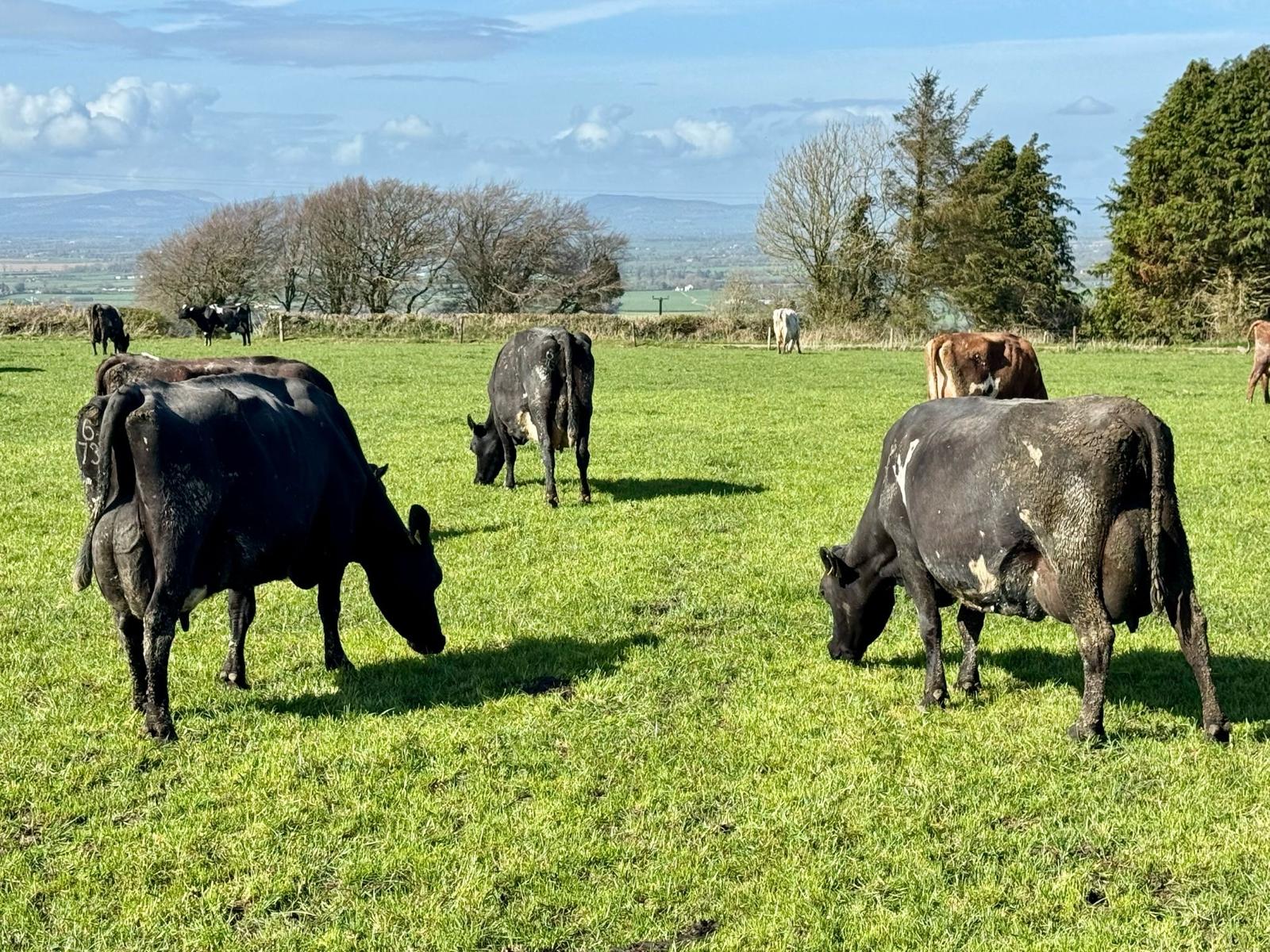
Genotyping has further strengthened confidence in his herd data, with most animals now showing confirmed parentage, while also picking up the odd discrepancy that might otherwise have gone unnoticed.
Overall, Mike has seen steady improvement in consistency and performance since joining the programme. Progress has been gradual, but he noted that things are “improving little by little all the time” as better animals are identified and retained.
When asked to sum up his experience, he kept it simple. The programme has given him “full confidence in his herd and the information behind it and from there it is down to managing the animals correctly.”
He would strongly recommend the National Genotyping Programme to other farmers, describing it as a good way to check that management is on track while ensuring you are getting the most from your herd. As he put it, “with the genotyping the information is there in front of you, it is up to you now to use it correctly.”