
Delivering Better Dairy Beef Series
Week 1: What role do genetics play in producing better beef animals from the dairy herd?
Week 2: Discover how calf rearing, performance recording and genetics on the ABP Demo Farm are helping to deliver better dairy beef performance
Week 3: How the Commercial Beef Value (CBV) is helping farmers make more profitable calf purchasing decisions
Week 9: Supporting the Next Generation of Beef Farmers
The future of Ireland’s beef industry depends on the next generation of farmers. Through initiatives such as the ABP Young Farmers Academy, young beef farmers are being given the opportunity to build sustainable businesses while benefiting from the proven advantages of high-quality dairy beef genetics.
The Young Farmers Academy is designed to support farmers under 35 years of age by reducing some of the financial challenges associated with getting started in beef farming. As part of the programme, ABP purchases calves directly from dairy farms and places them with participating farmers, helping to improve cash flow and reduce upfront investment costs. The programme also includes interim payments and a guaranteed minimum price at the end of the production cycle.
Starting with Quality Genetics
A key element of the programme is the quality of the calves entering the system. Calves selected for the Young Farmers Academy come directly from dairy farms and meet minimum Commercial Beef Value (CBV) requirements, ensuring they have the genetic potential to perform efficiently and deliver strong carcass value.
By focusing on genetics from the outset, young farmers are provided with animals that have the potential to grow efficiently, convert feed effectively and meet processor specifications. This creates a stronger foundation for profitability and helps participants gain confidence in their farming system.
Overcoming Industry Challenges
Entering beef farming can present significant challenges for young farmers. The cost of purchasing calves, renting land and investing in infrastructure can all create barriers to expansion and long-term viability. The five-year structure of the Young Farmers Academy is designed to provide stability and support during these crucial early years.
Having greater certainty around animal performance and future returns allows farmers to budget and plan with more confidence, while gaining valuable practical experience in managing dairy beef systems.
Genetics Delivering Results
Early results from the programme continue to demonstrate the value of strong genetics. According to ABP, the high-quality calves placed with participants are performing well on farm, providing clear evidence of the benefits that carefully selected genetics can deliver.
As seen throughout the Delivering Better Dairy Beef series, genetics play a crucial role in improving efficiency, profitability and sustainability across the supply chain. For the young farmers involved in this programme, these benefits are becoming increasingly visible in day-to-day performance and overall farm outcomes.
Seeing is Believing
The success of the Young Farmers Academy highlights how genetics can help create opportunities for the next generation of beef farmers. By combining quality dairy beef calves with financial support and long-term certainty, the programme is helping young farmers establish strong foundations for the future.
As this series has demonstrated time and again, when farmers can see the performance of genetically superior animals on their own farms, the value of genetics becomes clear. Results being achieved by these young farmers are another example of genetics delivering better dairy beef.
Watch Episode 9 to see how ABP’s Young Famers Academy is helping to support the next generation of beef farmers
Week 8: The Lasting Impact of Genetics and Collaboration
Genetics That Deliver Results
Over the past decade, the Gene Ireland programme has played a major role in shaping breeding decisions on the ABP Demo Farm, demonstrating the measurable benefits that genetics can deliver for farmers, processors, and the wider beef industry.
The impact of the programme has extended far beyond individual animals. The performance improvements seen on farm have helped influence the development of ABP’s Advantage Beef Programme, where genetics now forms a key part of the system. Minimum genetic standards are required for animals to qualify for sustainability bonuses, reflecting the confidence ABP has in the value of high-performing genetics.
Finishing Cattle Faster
One of the most notable outcomes has been improved efficiency. Animals meeting these standards are, on average, 85 days younger than the national average at key production stages, highlighting the role genetics can play in driving profitability and reducing production costs.
Improving Bull Quality on Irish Farms
The collaboration between ABP and ICBF has also helped identify opportunities to improve the quality of stock bulls being used on farms. This led to the introduction of ABP’s Bull Improvement Programme, designed to encourage farmers to replace lower-performing bulls with genetically superior alternatives. Through the scheme, farmers participating in the Advantage Programme can receive a €500 contribution towards the purchase of a higher genetic merit bull.
Industry Backing for Better Genetics
Industry support for genetic improvement continues to grow. Tesco Ireland came on board as a co-funder of the Bull Improvement Programme, demonstrating how retailers are increasingly recognising the value that genetics delivers throughout the beef supply chain.
Rewarding High Genetic Merit
The importance of genetics is also reflected in ABP’s support of breeding excellence through its premier bull competitions. Animals competing must meet minimum genetic standards, ensuring that both physical quality and genetic merit are rewarded. The strong calibre of bulls seen in recent years highlights the progress being made by farmers who are investing in better genetics.
Another key benefit has been strengthening the connection between dairy and beef systems. By linking dairy and beef farmers through animals of known genetic merit, farmers can have greater confidence in the future performance of the calves they purchase. This helps create more predictable outcomes and greater value for both sectors.
Why Genetics Matters More Than Ever
As this ABP Demo Farm series continues, one message remains clear: genetics works. The benefits can be seen in improved animal performance, more efficient production systems, stronger supply chain partnerships, and increased returns for family farms across Ireland.
Watch Episode 8 to see how genetics is delivering real results on the ABP demo farm
Week 7: The Genetic Impact of Better Breeding Decisions
Can better breeding decisions deliver more profitable dairy beef animals? The answer is yes, and the data proves it.
In Episode 7 of the Delivering Better Dairy Beef series, we explore the long-term genetic impact of sire selection and how choosing the right beef bull can significantly influence the performance and profitability of dairy beef calves.
The Dairy Beef Gene Ireland Programme and the ABP demonstration farm have generated one of the most comprehensive dairy beef datasets in Ireland. Through years of performance recording, weighing, and carcass evaluation, the programme provides clear evidence of the value genetics can deliver on commercial farms.
One of the most striking findings is the difference in carcass performance between calves sired by the highest and lowest-ranking beef sires. Analysis shows that calves from the top 25% of sires can achieve approximately 38kg more carcass weight at the same age compared to calves from the bottom 25% of sires.
That additional carcass weight can translate into an extra €250 to €300 per animal, depending on prevailing beef prices. It highlights the importance of selecting sires with strong genetic merit for traits such as carcass weight and conformation while also ensuring calving difficulty remains appropriate for the dairy herd.
The message for dairy farmers is simple: the sire matters. Every breeding decision made today has a direct impact on the value of future dairy beef progeny.
Importantly, these results are backed by an extensive database. More than 5,500 cattle have been evaluated through the farm’s progeny testing programme, generating close to 90,000 liveweight records. This depth of information provides confidence that the genetic evaluations being used are robust, reliable, and repeatable under commercial farming conditions.
The ABP demonstration farm is not a specialist or highly intensive research unit. It operates as a practical commercial farm, demonstrating that the benefits of improved genetics can be achieved by dairy and beef farmers across the country.
Watch Episode 7 to learn how better breeding decisions are delivering measurable improvements in carcass performance, profitability, and genetic progress for the Irish dairy beef sector.
Week 6: Following the Journey of Gene Ireland Calves
The Dairy Beef Gene Ireland Programme continues to showcase how genetics can support more profitable and sustainable dairy beef systems. To demonstrate this in practice, three calves purchased through the programme and reared on the ABP demonstration farm will be followed throughout their lives, from calf stage right through to finishing.
Over the coming months, regular updates will chart their progress through key milestones including weaning, grazing, weight gain and finishing performance. The project will provide a practical look at how an animal’s genetics, represented by its Commercial Beef Value (CBV), relate to actual on-farm performance.
The Calves
The group consists of two Angus heifers and one Hereford bull calf, all born within a short time of one another but carrying different levels of genetic merit.
Angus Heifer 3372
- Born: 3 February
- CBV: €228
This heifer has the highest CBV of the group, reflecting strong genetic potential for profitability.
Angus Heifer 2999
- Born: 9 February
- CBV: €113
Although very similar in age and appearance to heifer 3372, this animal has a considerably lower CBV, making the pair an interesting comparison as they develop.
Hereford Bull Calf
- Born: 14 February
- CBV: €143
This Hereford bull calf completes the group and will also be monitored throughout his lifetime to see how his performance matches his genetic predictions.
Why Are We Following These Calves?
One of the most common questions from farmers is whether genetic indexes translate into real-world performance. This project aims to answer that question by tracking animals managed under the same system from an early age through to finishing.
The two Angus heifers are of particular interest. Despite being born only days apart and appearing very similar as young calves, they differ substantially in CBV. By comparing their performance over time, farmers will gain valuable insight into how genetics can influence growth, efficiency and profitability.
What Will Be Measured?
Throughout the series, updates will include:
- Weight gain and growth rates
- Performance at weaning
- Grazing and lifetime performance
- Finishing performance
- Carcass weight and carcass quality
- The relationship between CBV and actual performance
Follow Their Journey
The Dairy Beef Gene Ireland Programme has already demonstrated the value of using high-genetic-merit beef sires within dairy herds. By following these three calves from purchase to finish, this series will provide farmers with a unique opportunity to see how genetics perform in practice and whether a higher CBV translates into improved lifetime performance.
Watch the video below to meet the calves and begin following their journey through the Dairy Beef Gene Ireland Programme.
Week 5: Using CBV to Buy Better Calves
The fifth video in the Delivering Better Dairy Beef series focuses on the Commercial Beef Value (CBV) and how it can support farmers when buying calves. As calf prices remain strong and farmers often have limited time to make purchasing decisions, CBV provides a practical way to compare animals and identify dairy beef calves with stronger beef potential.
In this episode, Stephen Connolly, Agri Sustainability Manager with ABP, explains how CBV is being used on the ABP Demo Farm and why it can be a valuable decision-support tool for beef farmers. The calves on the demo farm have strong CBV figures, reflecting the use of high-ranking young bulls through the Dairy Beef Gene Ireland Programme.
For dairy farmers, producing calves with stronger beef merit can help improve calf quality and marketability. Farmers buying calves with higher CBV figures can increase confidence that the animals have the genetic potential to perform well through to slaughter.
What the ABP Data Shows
To demonstrate the value of CBV in a commercial setting, ICBF analysed data from Angus-sired steers slaughtered across seven ABP sites in the first six months of 2025. The analysis compared cattle ranked in the top third for CBV with those ranked in the bottom third.
The bottom third of Angus-sired steers had an average CBV of €73, while the top third had an average CBV of €138. The cattle in the top third for CBV were finished, on average, 27 days younger, achieved half a grade better conformation and delivered an additional 21kg carcass weight. At the time, this difference was worth approximately €170 per animal.
These results highlight the real-world impact that genetics can have on beef performance. Across a large dataset, covering different farms and production systems, higher CBV cattle delivered improved carcass performance and greater value at slaughter.
Using CBV When Buying Calves
At the mart, farmers often have only a short window to assess calves before making a decision. Alongside visual assessment, the CBV displayed on the mart board can provide an additional piece of information to support better purchasing decisions.
As Stephen explains, a calf with a CBV greater than €130 to €140 can indicate stronger beef potential. While CBV should not replace good stockmanship or visual assessment, it can help farmers compare calves more confidently and reduce the risk of buying animals with lower performance potential.
The same principle applies when buying calves directly from a dairy farm. Farmers should ask about the CBV of the calves, the beef sub-index of the bull used and the type of cows the calves are coming from. Where a suitable beef sire has been used on good-quality dairy cows, the resulting calves are more likely to have stronger CBV figures and better beef potential.
A Practical Tool for Better Decisions
CBV is still a relatively new tool, but it is designed to help farmers make more informed decisions when buying animals for beef production. By combining CBV with visual assessment and good buying practice, farmers can better identify calves with the potential to deliver stronger performance, improved carcass value and greater profitability.
As highlighted throughout the Delivering Better Dairy Beef series, genetics, data and collaboration all play an important role in improving outcomes across the dairy-beef sector. CBV brings this information together in a practical format that farmers can use when making calf purchasing decisions.
Watch Episode 5 below to hear Stephen Connolly explain how CBV can help farmers identify better-quality calves and make more informed buying decisions.
Week 4: The partnerships helping to drive genetic progress across the dairy-beef sector
The success of the Dairy Beef Gene Ireland Programme is often measured through genetics, data and animal performance. However, behind every progeny-tested sire, performance record and genetic evaluation is something equally important collaboration.
The Dairy Beef Gene Ireland Programme relies on the participation of dairy farmers across the country who are willing to use young, unproven sires and contribute valuable information that helps identify the genetics capable of delivering better commercial outcomes for the future.
This level of cooperation is what has allowed the programme to become one of the largest dairy-beef progeny testing initiatives in Europe.
A Shared Commitment to Genetic Improvement
Improving genetics is a long-term process. Unlike many on-farm decisions, the impact of breeding choices can take several years to fully emerge. Identifying the sires that can deliver stronger growth, improved carcass performance and better profitability requires large volumes of performance data collected across many farms and production systems.
That is why partnerships between farmers, breeding organisations and industry stakeholders are so important.
The Dairy Beef Gene Ireland Programme provides an opportunity to test and evaluate the next generation of beef genetics under commercial conditions. The information generated helps build the genetic evaluations that support breeding decisions across both the dairy and beef sectors.
Providing Confidence for Dairy Farmers
Participating in a progeny testing programme requires commitment from dairy farmers. In many cases, breeding decisions are made long before calves are born, and confidence in the system is essential.
Long-standing relationships between participating dairy farmers and programme partners have helped provide that confidence. Through clear communication and ongoing collaboration, farmers can play an active role in developing the genetics that will influence future generations of dairy-beef cattle.
These partnerships have also helped ensure a consistent supply of healthy, high-quality calves, creating a strong foundation for the collection of meaningful performance data.
The Importance of Calf Quality
Good genetics can only reach their full potential when animals receive the right start.
Calf health and calf quality remain central to the success of the programme. Healthy calves not only perform better throughout their lifetime, but also provide more reliable information for genetic evaluations.
The ongoing commitment of dairy farmers to producing well-managed, healthy calves continues to play an important role in the programme’s ability to generate valuable insights for the industry.
Better Outcomes Through Collaboration
Over the past decade, collaboration between dairy farmers, beef farmers, ICBF, ABP, AI companies and pedigree breeders has helped create a programme that delivers value throughout the supply chain.
The result is a growing body of information that supports better breeding decisions, more informed calf purchasing decisions and continued genetic improvement across the dairy-beef sector.
As this week’s episode highlights, the Dairy Beef Gene Ireland Programme is about more than genetics alone. It demonstrates what can be achieved when industry partners work together towards a common goal: delivering better dairy beef.
Watch Episode 4 below to hear how long-term partnerships with dairy farmers continue to support the success of the Dairy Beef Gene Ireland Programme.
Week 3: How the Commercial Beef Value (CBV) is helping farmers make more profitable calf purchasing decisions
The third video in our Delivering Better Dairy Beef series focuses on the Commercial Beef Value (CBV) and the important role genetics can play when purchasing calves. Using performance data collected on the ABP Demo Farm, the episode highlights how calves with higher CBV rankings can deliver better performance, improved carcass results and greater profitability.
The Commercial Beef Value (CBV) is a genetic tool that helps predict the future beef performance and profitability potential of a calf. By using the CBV when buying calves, farmers can make more informed purchasing decisions and identify animals most likely to deliver strong returns at slaughter.
In this episode, Stephen Connolly, Agri Sustainability Manager with ABP, explains how the performance differences between high and low CBV cattle have become evident through the extensive data collected on the ABP Demo Farm.
For Angus-sired cattle, animals ranked in the top third for CBV were finished, on average, eight days younger and produced 25kg more carcass weight than animals in the bottom third. The combination of heavier carcasses and fewer days on farm resulted in a benefit worth close to €200 per animal.
A similar trend was observed in Hereford-sired cattle. Animals in the top third for CBV were finished approximately four days younger, achieved 24kg more carcass weight and delivered an additional carcass grade compared to cattle in the bottom third. Once again, the overall financial advantage was close to €200 per animal.
These results demonstrate the real-world impact that genetics can have on commercial beef production. Improvements in carcass weight, carcass quality and age at finish can all contribute to greater efficiency and profitability for beef farmers.
With calf prices remaining strong, selecting calves with a high CBV can help reduce risk and improve the likelihood of achieving better performance throughout the animal’s lifetime. CBV provides farmers with a practical and reliable tool to compare calves and identify those with the highest potential to meet market specifications and deliver stronger financial returns.
As highlighted in this episode, the Commercial Beef Value is more than just a figure on a screen. It is a tool built on real performance data that can help farmers make better calf purchasing decisions and maximise profitability from calf to carcass.
Find Out More About CBV
For more information on the Commercial Beef Value (CBV), how it is calculated and how it can be used to compare calves, click here.
Watch Episode 3 below to learn how the Commercial Beef Value (CBV) is helping farmers identify higher-performing calves and achieve better beef production results.
Week 2: Discover how calf rearing, performance recording and genetics on the ABP Demo Farm are helping to deliver better dairy beef performance
The second video in our Delivering Better Dairy Beef series takes viewers behind the scenes of the ABP Demo Farm, showcasing the calf rearing system used on the farm and the important role early-life management plays in achieving strong animal performance. The campaign focuses on how genetics, data and collaboration are helping to drive progress across the dairy-beef sector.
In this episode, Matthew Quinn, Farm Manager on the ABP Demo Farm, explains how calves are managed and monitored from the moment they arrive on the farm, ensuring they receive the best possible start while generating valuable performance data to support future breeding decisions.
Calves arrive on the farm at just a few weeks of age and are housed in clean, well-bedded pens with access to fresh water and meal. Each calf is weighed on arrival and grouped according to size, allowing performance to be monitored from the outset. Feeding routines are carefully managed, with calves fed at the same time each day to support consistency and animal health.
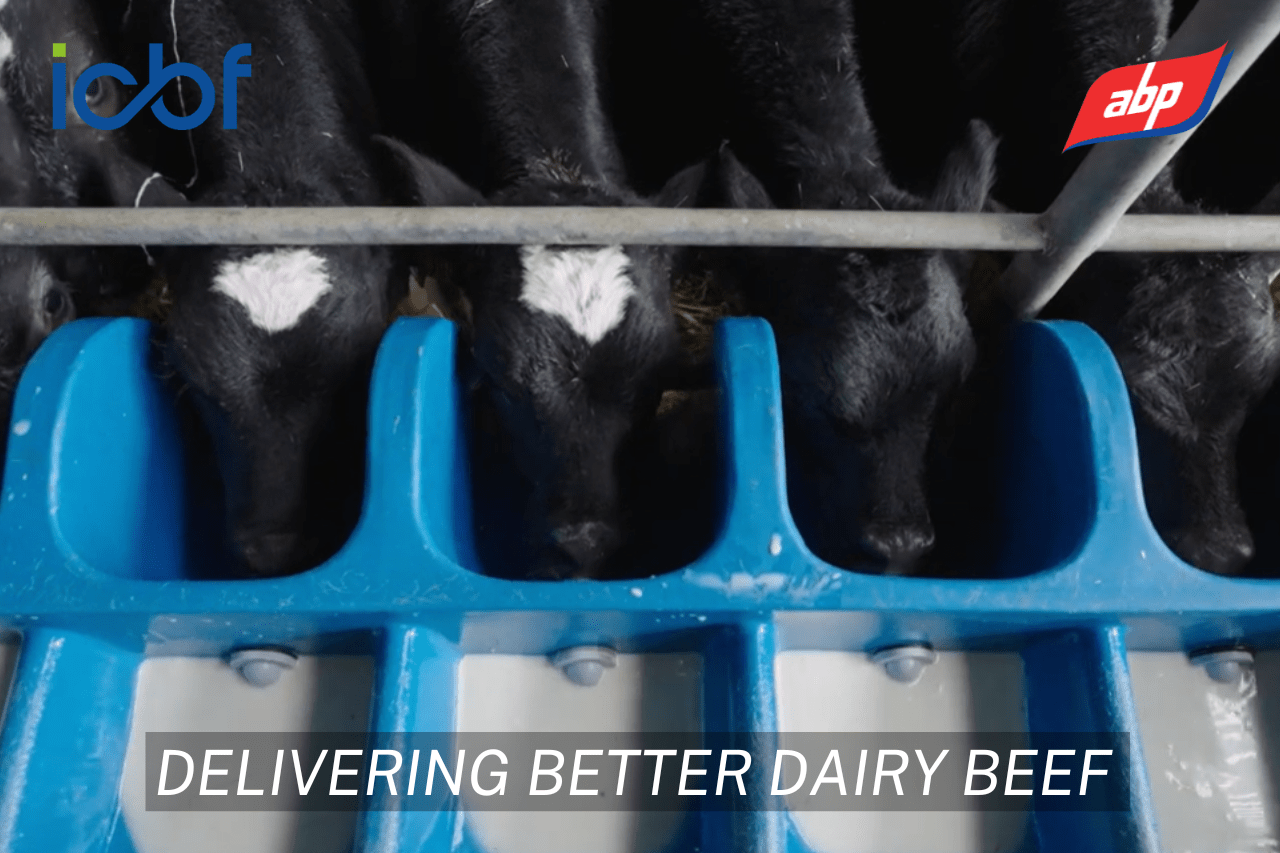
Maintaining high standards of calf health and welfare is a key priority. Calves follow a vaccination programme, have regular access to fresh bedding and clean water, and benefit from ongoing investment in housing facilities, including improved ventilation and the installation of fans to enhance calf comfort.
The farm rears calves from a range of beef sires and genetic backgrounds, with performance monitored throughout their lifetime. Animals are weighed monthly, allowing the farm team to compare sire performance and generate the data needed to identify the genetics delivering the strongest commercial results.
This data is shared with ICBF and plays an important role in the genetic evaluations that underpin the Dairy Beef Gene Ireland Programme. By linking animal performance back to sire information, the programme can identify the genetics delivering the strongest commercial performance and help farmers make more informed breeding decisions. The ABP Demo Farm plays a key role in collecting the performance records used to support these genetic evaluations.
As highlighted throughout the series, strong calf management and accurate performance recording go hand in hand with genetics. Together, they help identify the animals delivering the best results and contribute to continued improvement across the dairy-beef sector.
Watch video 2 of the series as we follow along the calf rearing process on the ABP Demo Farm.
Week 1: What role do genetics play in producing better beef animals from the dairy herd?
Over the coming weeks, ICBF and ABP will explore this question through a new nine-part video series highlighting the impact of the Dairy Beef Gene Ireland Programme, the Commercial Beef Value (CBV) and the collaboration helping to drive progress across the Irish dairy-beef sector.
Established in 2015, the Dairy Beef Gene Ireland Programme was developed to identify beef genetics that can deliver benefits throughout the supply chain. The aim is to help dairy farmers produce calves with strong beef potential while also supporting improved performance, profitability and sustainability for beef farmers and processors.
Since its launch, the programme has grown significantly, with more than 600 dairy farms participating and over 885,000 calves born from progeny-tested bulls. Through collaboration between ICBF, ABP, farmers, AI companies and pedigree breeders, the programme has become one of the largest dairy-beef progeny testing initiatives in Europe.
At the heart of the programme is data. Calves are monitored throughout their lives to collect information on growth, health, feed efficiency, carcass performance and environmental traits. This data helps identify the genetics delivering the best results and supports tools such as the Commercial Beef Value (CBV), allowing farmers to make more informed breeding and purchasing decisions.
Throughout this series, we’ll explore:
- How the Dairy Beef Gene Ireland Programme works
- The role of the ABP Demo Farm
- The value of the Commercial Beef Value (CBV)
- The importance of sire selection and genetic evaluations
- Partnerships between dairy and beef farmers
- The wider impact of genetics across the beef industry
- Initiatives supporting the next generation of beef farmers
Episode 1: Why the Dairy Beef Gene Ireland Programme Matters
In the first episode, Stephen Connolly, Agri Sustainability Manager with ABP, explains why the programme was established, how it works and the impact it has delivered over the past decade.
The episode highlights the challenge the programme was designed to solve, the importance of collaboration across the supply chain and how genetics and data are helping to improve dairy-beef profitability, efficiency and sustainability.Watch Episode 1 below and follow the series as we explore how better breeding decisions today are helping to deliver better beef tomorrow.