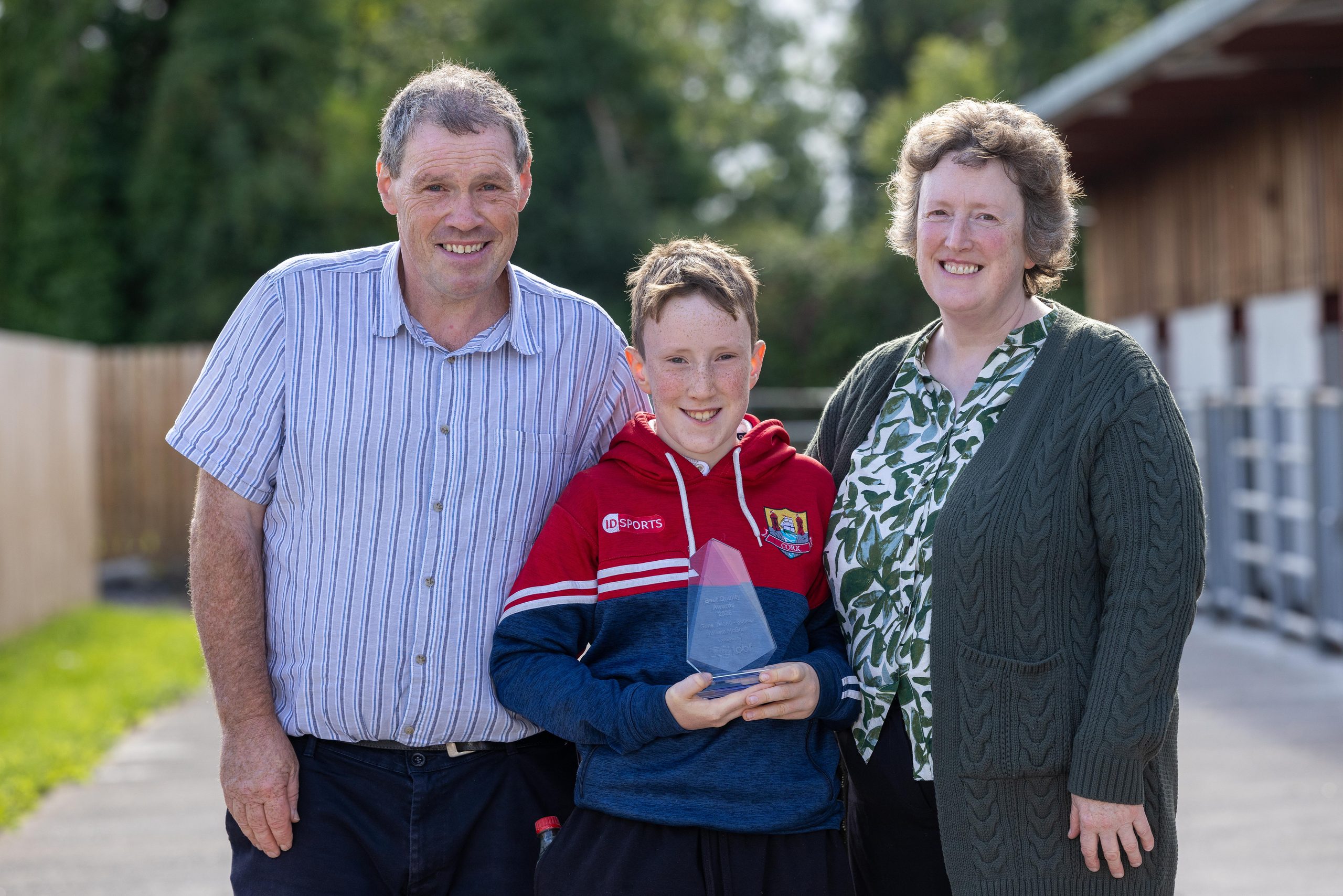
William McGrath, his wife Maeve and their three children, Katie, Michael and William, have been selected as the inaugural winners of the Suckler Beef Gene Ireland User Competition. ICBF and FBD sponsored the award, which was presented as part of the 2026 ICBF Beef Quality Awards.
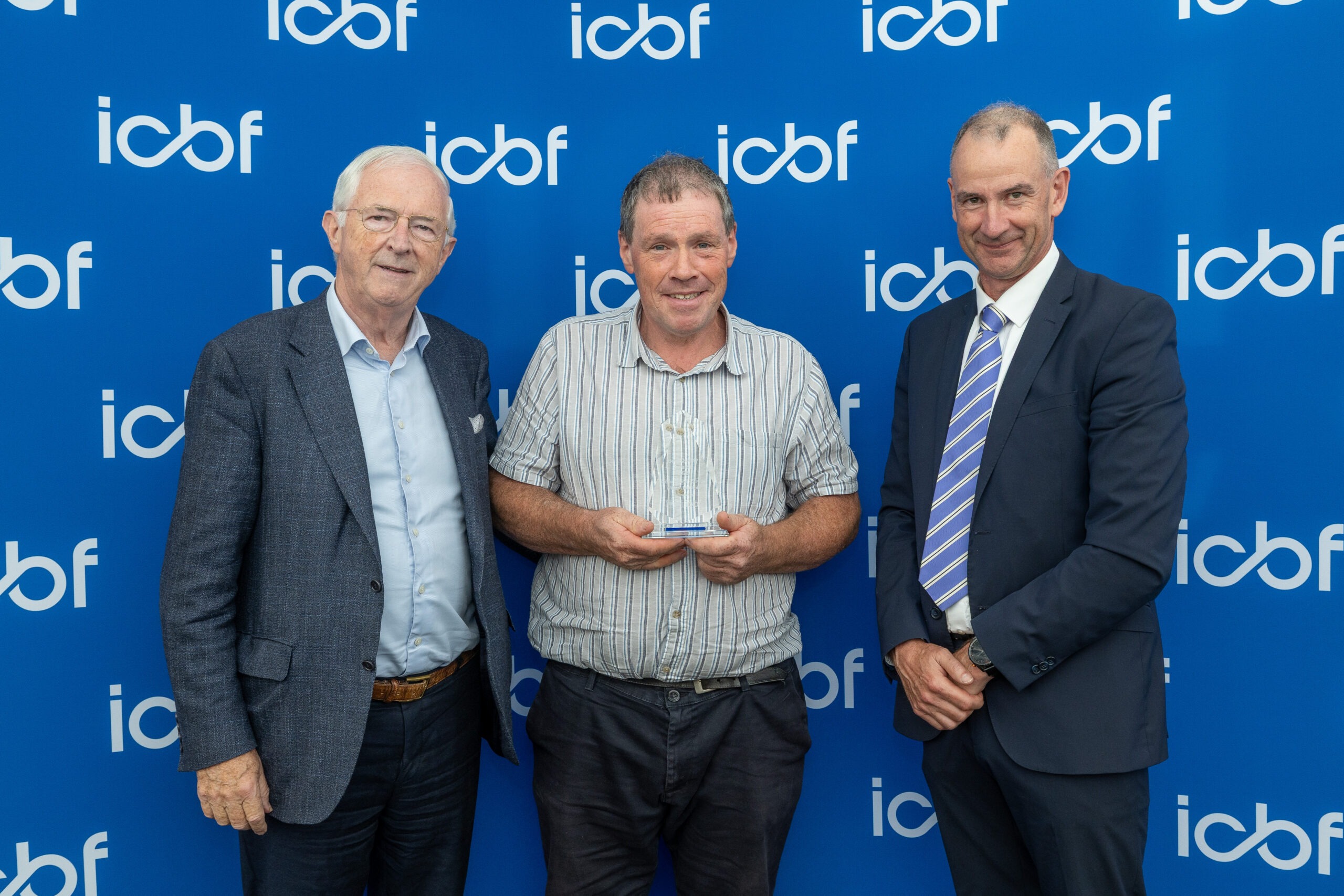
William began his farming career outside Mitchelstown, Co. Cork, in 1991 when he purchased 40 acres. At the time, he also worked in a local factory. Over the following years, he inherited 60 acres and purchased additional land, enabling him to become a full-time farmer and build a family-run herd of approximately 85 suckler cows.
William is keen to emphasise the key role the whole family plays in the running of the farm and the great interest all three children have in the business.
A Commercial Suckler Herd Built Around AI
The herd is run on strictly commercial principles and is unusual in that all 192 animals currently in the herd are sired by an AI bull. Since switching to 100% AI 20 years ago, there have been no animals bought into the herd.
The 2026 calving season ran from mid-March until late May, with 87 live calves born and only three requiring some assistance. The calving report for the spring 2026 calving season returned some incredibly impressive results, including an average calving interval of 378 days, compared to the national average of 396 days.
William has a strict culling policy, with no cows being held over if they are not in calf and all heifers calving at two years old. This elite level of efficiency ensures that only daughters from high-performing dams are making it back into the herd each year.
Balancing Replacement and Terminal Traits
The high-index cow herd is mainly built around a rotating three-way mix of Limousin, Simmental and Charolais breeds, with some Angus also added to the mix in recent years.
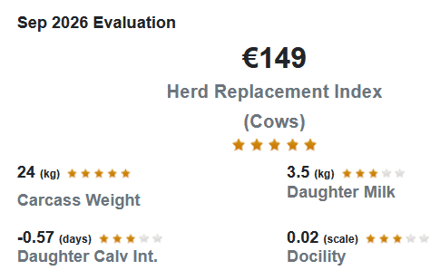
Table 1 below displays the Eurostar profile of the herd and demonstrates the balance between Replacement and Terminal traits which William aims for when selecting his bulls.
Table 1. Eurostar Profile of the Herd
Using Gene Ireland Genetics in the Herd
A key feature of the breeding season is the fact that William uses a significant number of Gene Ireland beef straws every year, and many of these sires have turned out to be very successful both in William’s herd and at national level.
William has sold many progeny to the Tully Progeny Test Centre over the years, where they have also performed exceptionally well in terms of feed efficiency and carcass weight.
Any remaining animals are either kept as replacements, finished as heifers at 21 months or as young bulls at under 16 months.
William is a big believer in breeding plenty of heifers, as this allows him to cull hard. With the recent increases in cull cow value, he sees this as an open goal in helping to bring in higher-performing replacements each year.
As well as culling for infertility, he will also cull any cow which he feels is too heavy and unsuitable to his farm’s land type.
A Standout Cow in the Herd
One of William’s favourite cows in the herd is tag 372224671581014.
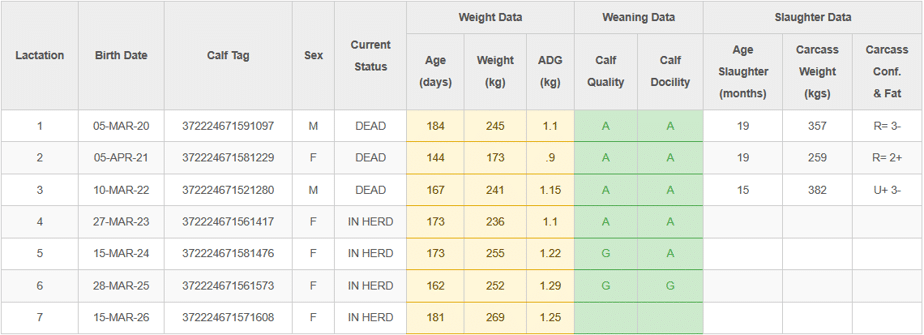
Born in 2018 and sired by the Gene Ireland-tested LM2014, this cow has a Replacement Index of €164, a carcass weight PTA of 21.7kg and a milk PTA of 3.7kg.
These indexes are backed up by her own incredible on-farm performance. She first calved at 22 months and has since had seven unassisted calvings, with an average calving interval of just 367 days. She weighed 642kg when weighed in September 2026.
Her progeny performance data is displayed in more detail in Table 2 below. Her last four calves have all been heifers, which will be retained for breeding in the hope that they turn out as good as their mother.
Table 2. Progeny Performance of Cow 372224671581014
Farm Schemes and Herd Health
The herd is an active participant in various schemes, including SCEP, ACRES and the Beef Welfare Scheme, all of which make valuable contributions to overall farm income while also promoting best practice in breeding, environmental and animal welfare standards.
When it comes to herd health, William adopts a straightforward approach. Due to the closed nature of the herd, he is not as exposed to risk as others may be, but he does vaccinate the cows against scour and the calves against pneumonia and blackleg.
Looking to the Future
William has no plans to make any significant changes to the system.
While reluctant to give advice, he would encourage other farmers to breed plenty of heifers to ensure older and lesser-performing cows are removed from the system.
In general, he would also like to see more positive messaging generated about the suckler industry.
When suckler farming is carried out to a high standard and managed as a business, many farms can operate as viable full-time enterprises while providing a sustainable balance between household income and family life, as the McGraths demonstrate.