
By combining careful CBV selection with strong health planning, record-keeping and seasonal grass management, this finishing operation is prioritising performance and consistency.
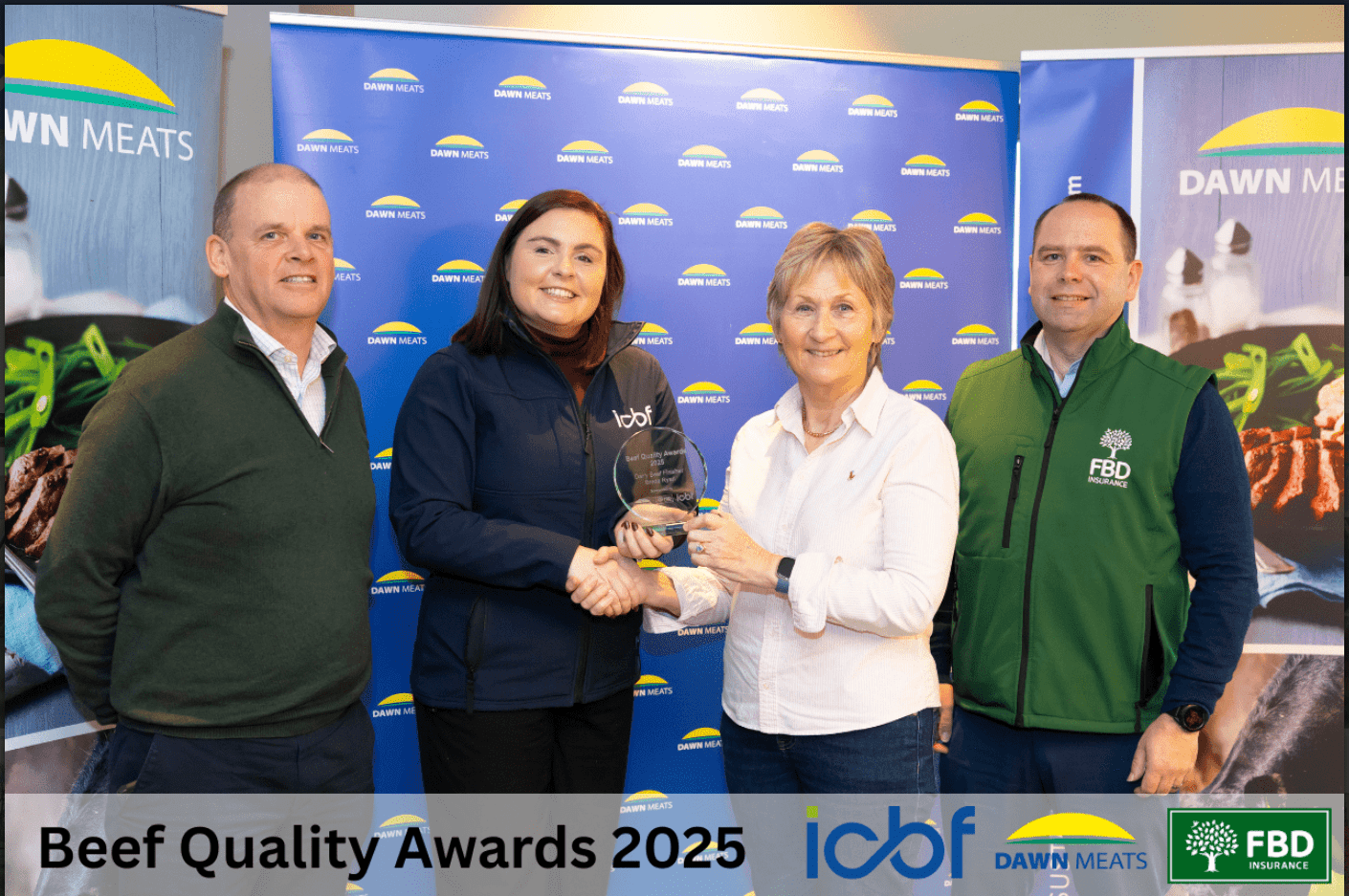
Breda Ryan is currently running a dairy beef finishing operation alongside her husband, with additional support from a local herdsman, in Boulick, Co. Tipperary. Farming runs deep in Breda’s roots — she represents the fourth generation of women farmers in her family and has five daughters of her own. Two of her daughters have completed the Green Cert and contribute to the farm in their spare time.
Growing up on a family farm, Breda was always familiar with the demands of farming. She initially inherited some land before purchasing neighbouring parcels as they became available, most recently acquiring land that once belonged to her grandfather. With all blocks of land located close to the home farm, this additional ground has allowed Breda to expand and efficiently manage her beef enterprise.
Farm Overview
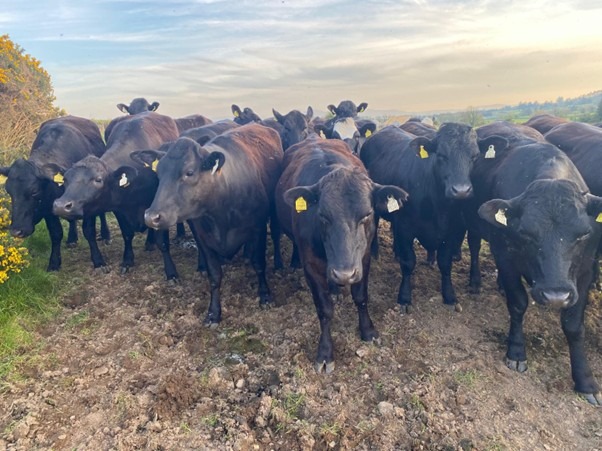
Breda works closely with a local herdsman who assists with daily farm operations and is also responsible for sourcing cattle. Stock are purchased through local mart sales and directly from nearby herds that Breda regularly deals with. The main breeds bought in include: Angus, Charolais, Limousin and Hereford
Cattle are typically kept for approximately 18 months and finished at around 30 months of age. When purchasing animals, Breda places a strong emphasis on quality and pays close attention to Commercial Beef Value (CBV). From experience, she finds that cattle with higher CBVs consistently perform better through to finish.
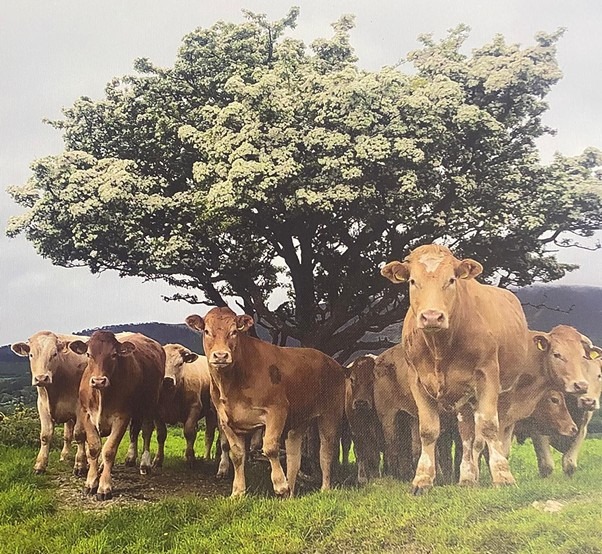
Both heifers and bullocks are sourced, with no strong preference between the two. In the past, the system was predominantly bullock-based, but more recently heifers have made up a larger proportion of purchases.
Feeding & Management
The system is largely grass-based during the summer months. Silage is harvested on the farm between June and August, with round bales made annually. One field is leased to Breda’s son-in-law each year for barley production.
Cattle are turned out to grass in March and remain grazing until housing in mid-November. Over the winter period, animals are housed on slats. Any cattle not yet fit for finishing at housing are separated and fed for a further 6–8 weeks to bring them to finishing condition.
Finishing Performance
Performance records highlight the importance of CBV within Breda’s system. The top third of dairy x beef heifers finished last year achieved an average CBV of €303, compared to €167 for the bottom third. These higher-performing animals consistently graded R- or better. The heaviest female animal that was finished on the farm was a LMX animal that had a carcass weight of 344kgs and a CBV of 265. She was 28.8 months of age at finish. The top third of dairy steers achieved a CBV of €272, compared to €114 for the bottom third. The heaviest male animal that was finished on Breda’s farm last year was a LMX animal that had a carcass weight of 390kgs and a CBV of €281. This animal was 29.7 months of age at finish.
These figures underpin Breda’s commitment to sourcing high-CBV animals and demonstrate the clear impact on carcass performance.
Herd Health
HerdWatch is the main software provider used on the farm, which Breda finds invaluable for managing herd health and records. The herd health plan includes:
- Regular dosing for fluke, lice and worms before turnout and again at housing
- Vaccination of all stock for blackleg
Maintaining accurate records and preventative treatments are key priorities within the system.
On-Farm Challenges
Like many beef farmers, Breda faces ongoing challenges, particularly rising input costs. The price of store cattle, fertiliser, feed and fuel have all increased significantly.
Weather conditions have also posed difficulties. Breda noted that traditionally cattle would be fully turned out to grass by St. Patrick’s Day, but prolonged poor weather this year made ground conditions unsuitable, resulting in a longer and more demanding winter period.
Future Plans & Advice
Looking ahead, Breda plans to continue operating under her current system, with a strong focus on:
- Purchasing high-CBV animals
- Maintaining high standards of health and safety around the farm
- Carrying out regular farm maintenance
Her advice to anyone considering a dairy beef finishing enterprise is to start with quality stock — purchase animals with strong CBVs through mart or private sales where possible. Regular dosing, good grassland management and well-maintained farmyards are all vital for long-term success.
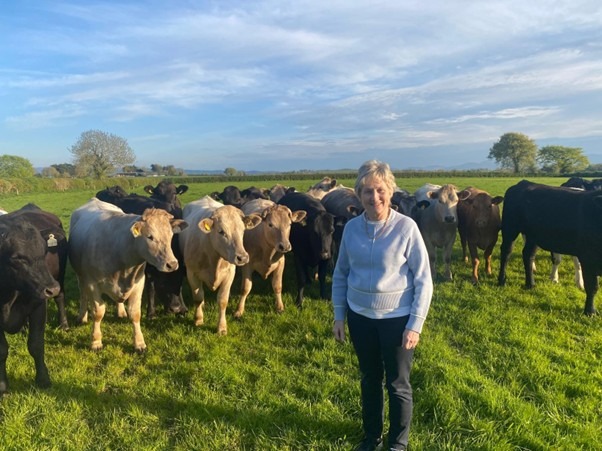
ICBF would like to congratulate Breda Ryan on winning the 2025 Dairy Beef Finisher award for Dawn Meats.