
Balanced EBI (€122, top‑40%), targeted sexed semen and disciplined feeding align calf output with finishing efficiency on a family‑run, multi‑enterprise system in West Waterford.
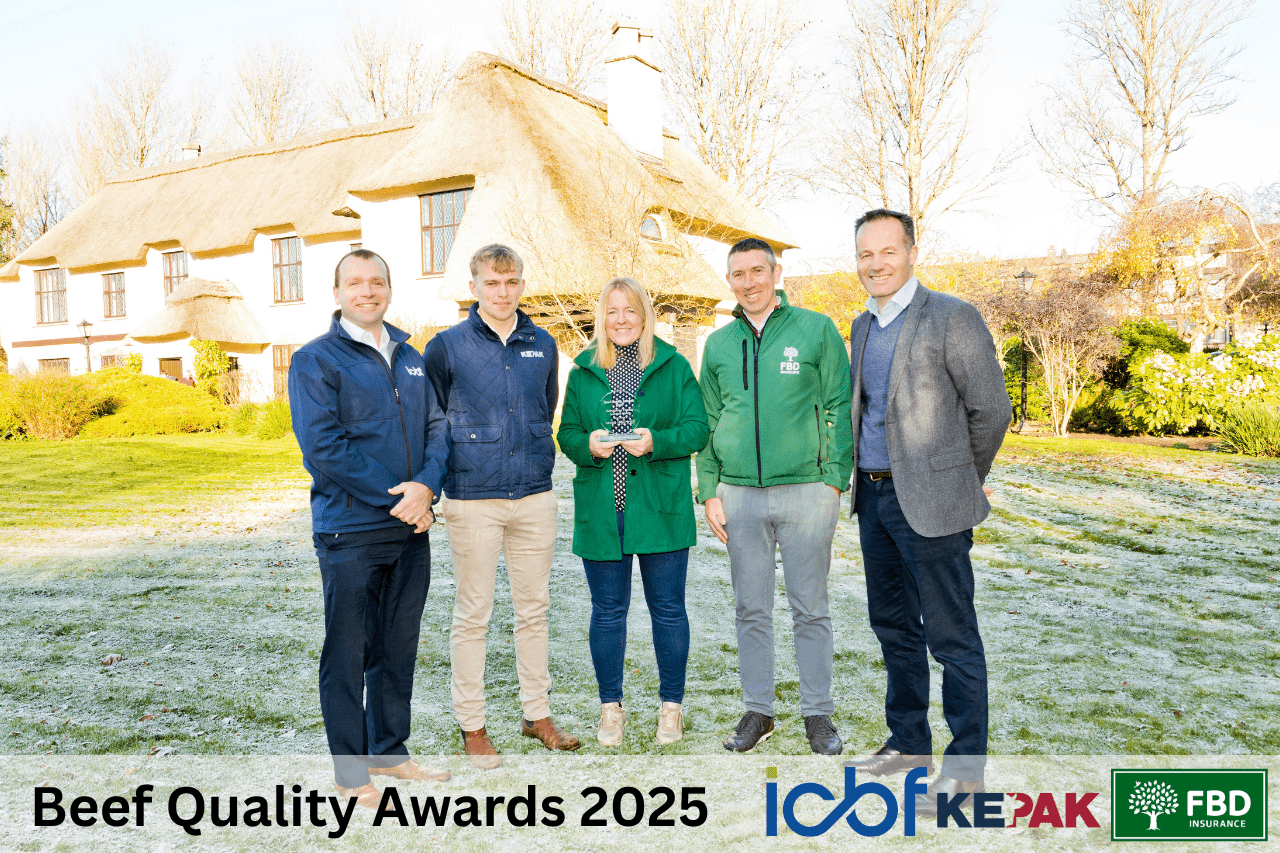
Laurence Walsh and his family are farming in the west Waterford coastal village of Stradbally. In what is a true example of a family farm in action, Laurence, his wife Áine, their three teenage children, and even Laurence’s brothers all play active roles in various aspects of the operation. Alongside the main farm enterprise, Áine has developed a successful dog boarding business that demonstrates the opportunities available for farm diversification in vibrant rural areas. The family are heavily involved in various sports, with hurling, hockey and equine sports filling their leisure time.
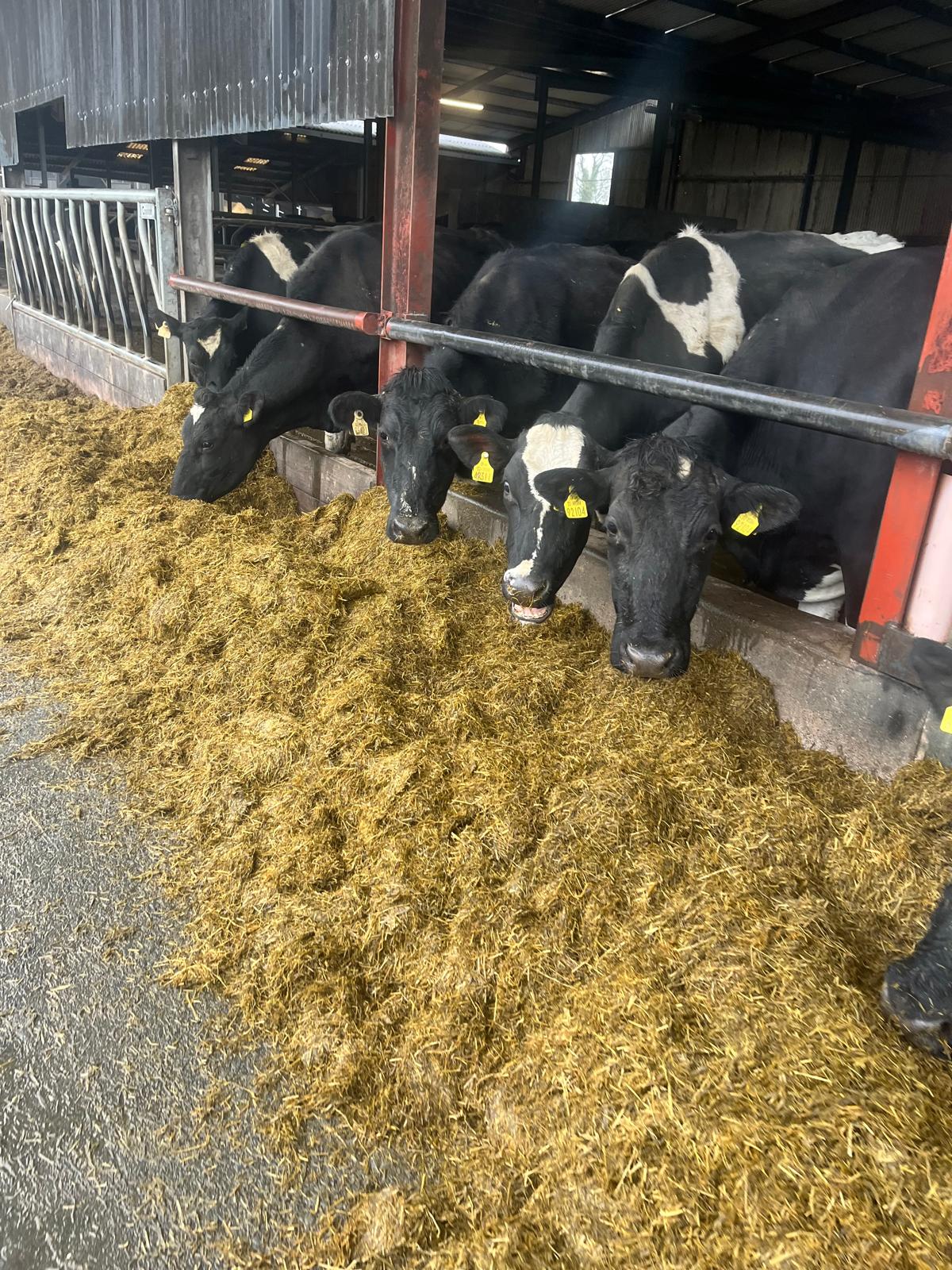
On the farm front, the business converted from a suckler and sheep operation to dairying only five years ago. This required a significant investment in terms of a new parlour and associated upgrades to existing animal housing and farm infrastructure. The Walshs are currently milking around 90 cows in a spring calving system. Alongside the dairy herd, they also run 30 summer calving sucklers, lamb 30 ewes each spring, and buy in 20 dairy beef calves in the second half of the year. All animals born and purchased are finished on the farm and supplied to Kepak in Watergrasshill. Laurence is keen to point out that all these various enterprises are only possible through the hard work and collaboration of all the family members.
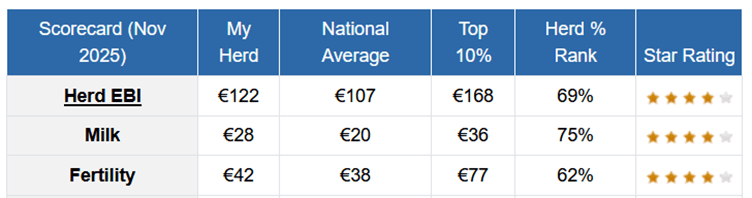
On the dairy side of the business, the 90 cows have an average EBI of €122, which places them in the top 40% of herds nationally.
As displayed in Table 1 below, this is delivered on the back of a balanced breeding approach in terms of Milk (top 40%) and Fertility (top 40%).
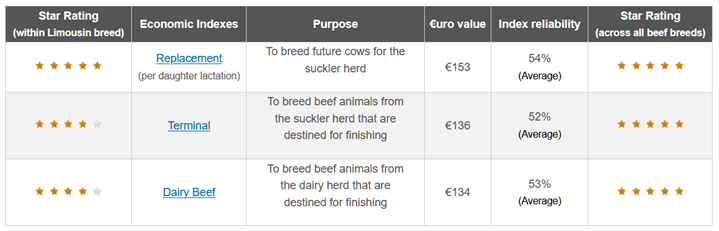
In recent years, the use of sexed semen has proven to be a very successful development. With beef production accounting for a large share of annual sales, the reduced production of dairy male calves has enabled the farm to be highly efficient in producing the desired number of animals. In 2024, a total of 24 sexed dairy straws were used, resulting in the production of 16 dairy heifer calves. Once finished with sexed semen a range of beef breed AI sires are used for a few weeks followed by the introduction of their Limousin stockbull – 372219248130819. This bull is a son of the famous LM2014 and, as can be seen in Table 2 below, he is an extremely high index bull with 5 stars across breed in each of the main indexes.
It is only recently that Laurence has become aware of the CBV, but he is confident that it can play a significant role in the future growth of the beef business, especially as he can now identify beef bulls with high beef merit, which will translate into high CBVs in the calf crop.
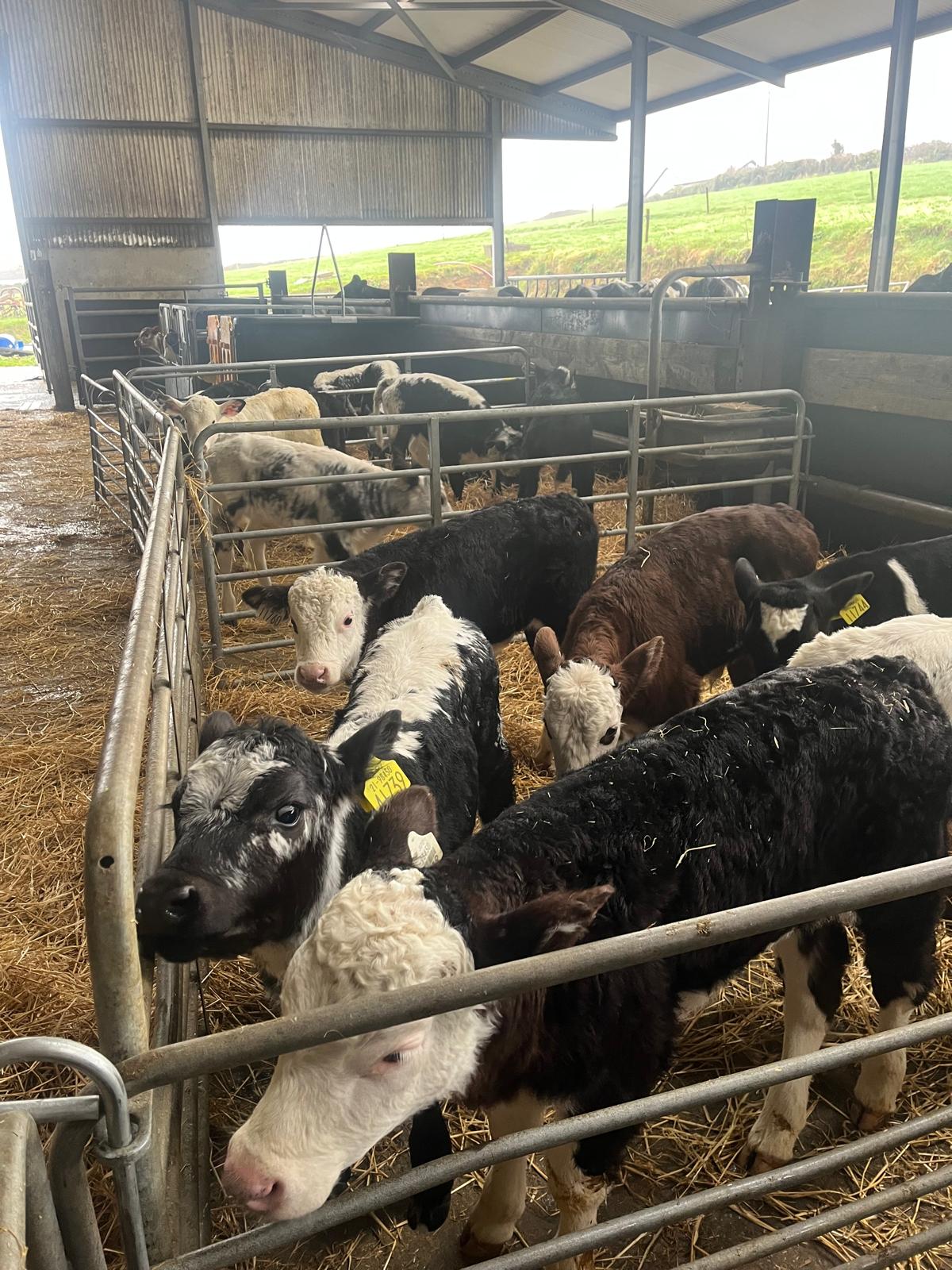
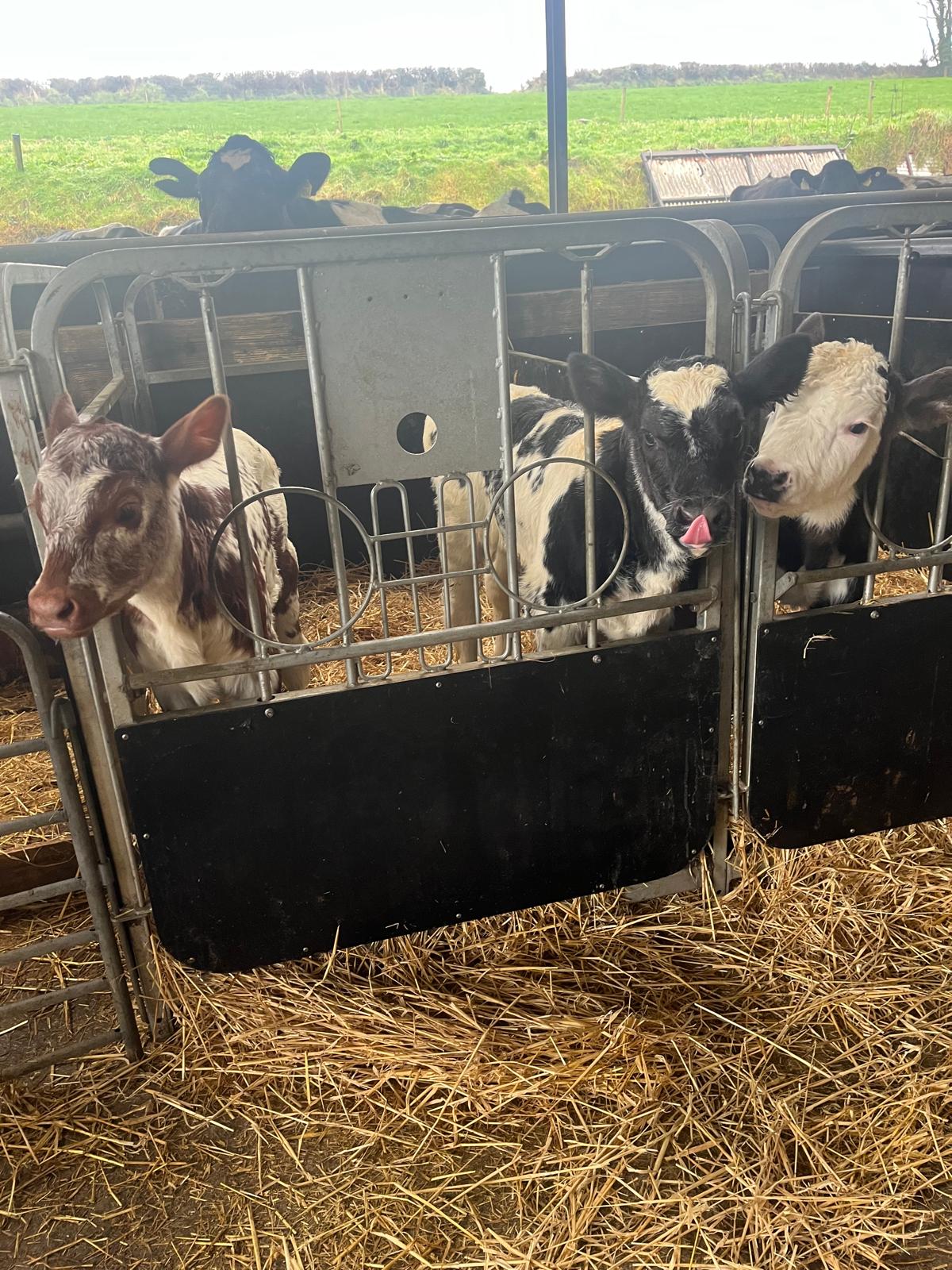
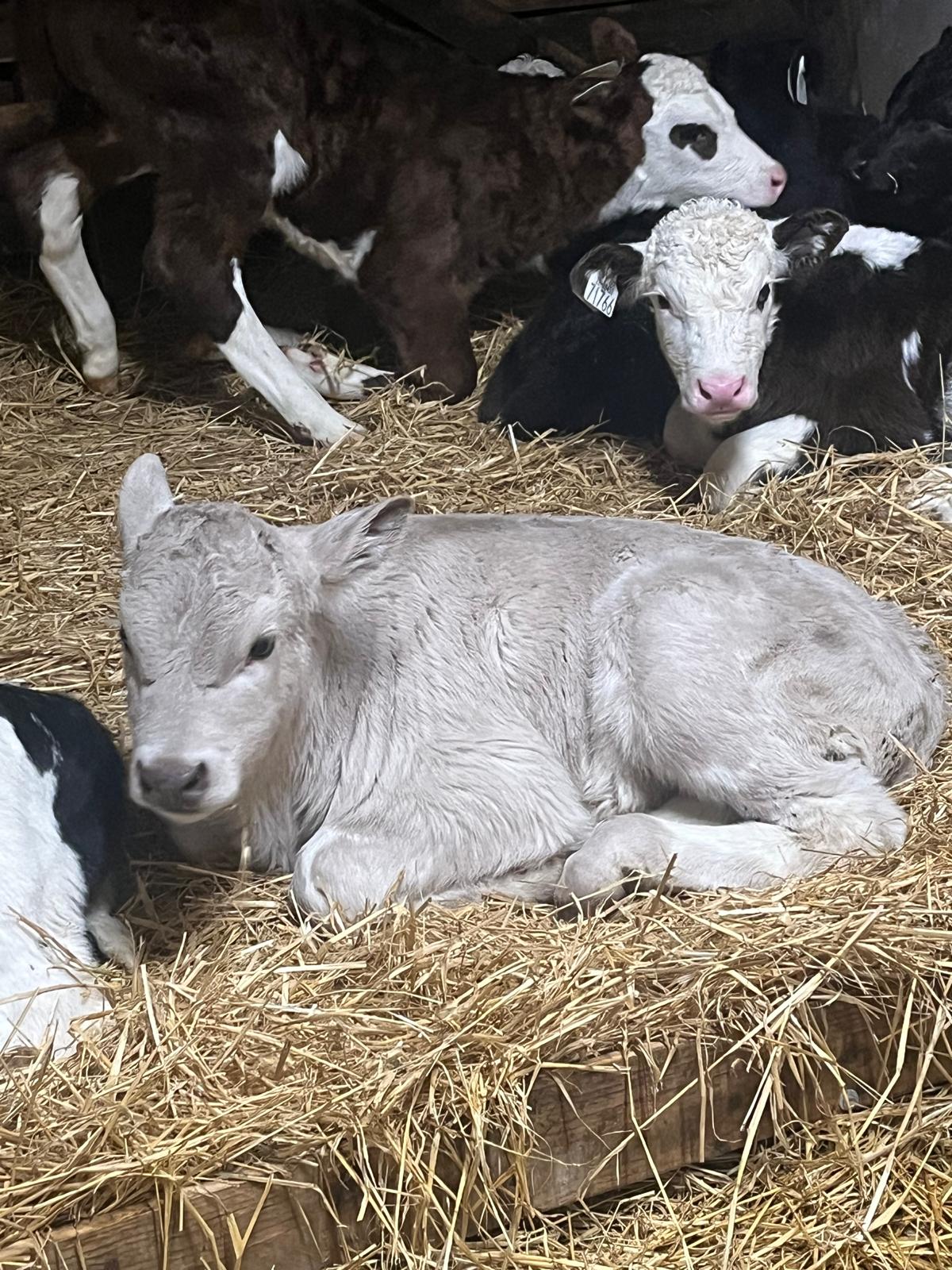
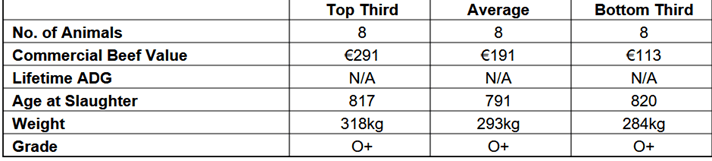
Table 3 below displays the impressive results of high-CBV dairy beef heifers delivered over low-CBV ones finished by Laurence in 2025. The 34 extra kgs of carcass at a beef price of €7.50 per kg returns an extra €255 per head in factory price in favour of the high CBV animals. On top of this, the research work at the Tully Test Centre shows that, on average, high CBV animals consume less feed than low CBV animals.
In terms of the finishing diet, Laurence is a believer in keeping things simple and consistent. He focuses on making top-class silage and purchasing specific concentrates as required. This varies from a high-protein diet for younger, growing animals to a lower-protein finishing diet, which he will build up to a maximum of 12 kg per head, depending on the animal type. Some animals are finished off on grass, with some concentrates also offered to them in an effort to ensure they meet market specifications.
When it comes to herd health, Laurence has evolved his approach in recent years. Previously, he would have adopted blanket treatments as he felt they may be required. However, he now engages much more proactively with his vet to lay out treatment and vaccination plans ahead of schedule. Treatments are now delivered based on test results, and a robust vaccination programme has significantly improved the overall health of the herd, given the size of the herd and the various groups of animals involved.
Looking to the future, Laurence has a refreshingly positive view of the industry. Albeit milk price volatility is a big challenge, he is delighted to see the recent upturn in the beef market, and it is a great reminder to us all that there will be highs and lows in all sectors. His advice for any young farmers is to work within their means when building their farm business. Access to land, finance and labour are all challenges that need to be managed, and any young person getting into the industry needs to ensure they build a sustainable system that can handle changes to any of these variables.
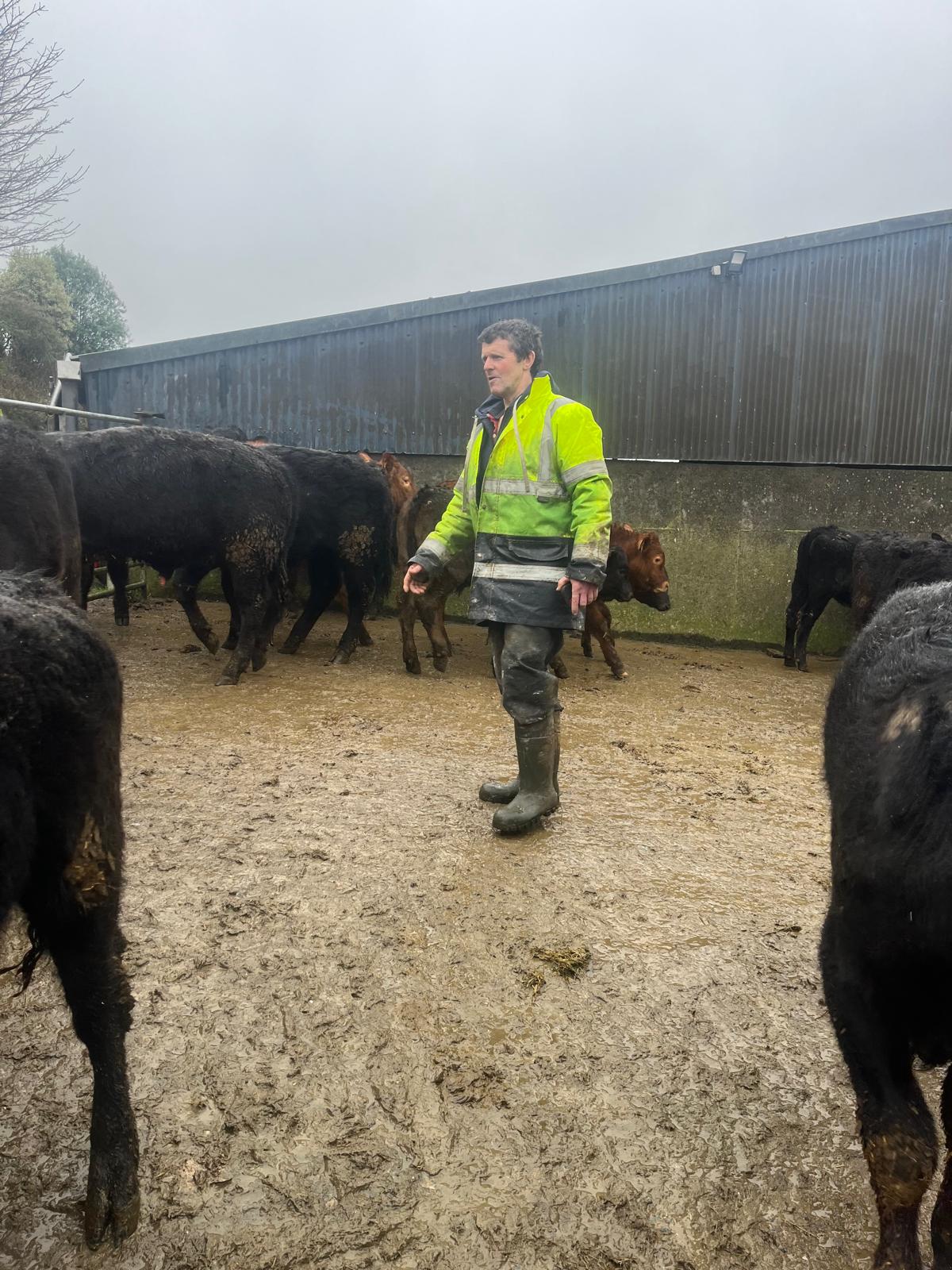
ICBF would like to congratulate the whole Walsh family on winning the 2025 Dairy Farmer Finisher Award for Kepak.