
A new feeding trial at the Tully Test Centre, just outside Kildare town, has provided valuable insights into how diet influences methane emissions, feed efficiency, rumen microbiome, and growth performance in finishing beef cattle. This research was undertaken as part of the €1.4m Department of Agriculture, Food, and the Marine-funded project “Methane Abatement in Grazing Systems (MAGS)”, of which ICBF is a partner.
The study to date has collected data on 43 continental suckler-bred bulls, selected from a range of artificial insemination sires and breeds. The progeny were preselected as high or low in methane output based on the ICBF genomic evaluation. The aim was to quantify methane emissions under zero-grazed and total mixed ration (TMR) conditions indoors, and to understand how diet may affect rumen fermentation and the microbial populations responsible for methane production.
Trial period and performance
Methane output, feed intake and rumen samples were recorded throughout the trial. Rumen samples were taken during both phases to examine the rumen microbiome. The microbiome is a complex community of microorganisms such as bacteria, protozoa and archaea. These microorganisms facilitate anaerobic fermentation, which breaks down fibrous plant material to extract energy for the host animal. Rumen sampling involves using an oral stomach tube to access the rumen through the oesophagus, allowing the collection of rumen fluid for analysis of the proportions of different microbes present in the sample.
The trial took place throughout the second half of 2025. The first phase involved a zero-grazed grass diet offered indoors. Bulls spent 70 days on this diet and consumed, on average, 7.95 kg dry matter intake (DMI) per day. DMI was measured using Insentec feed boxes, which automatically calculate the daily feed intake of all cattle. Average daily liveweight gain (DLWG) during this period was 1kg per day.
In the second phase, the bulls were transitioned to a TMR finishing diet; all cattle were offered a ration of 10 kg of meal, 9 kg of water, and 3 kg of hay. The bulls consumed, on average, approximately 13.67 kg DMI per day. Animals were again rumen-sampled to assess microbial changes following the dietary shift. Growth rate increased compared to the zero-grazed grass phase, with bulls averaging 2.05 kg DLWG on the TMR diet.
Animals were slaughtered in early December, with an average carcass weight of 390 kg. At the beginning of the trial, animals averaged 498 kg liveweight, increasing to an average of 638 kg by the end of the trial. Cattle averaged 530 days of age at slaughter.
Methane output and efficiency
Average methane (CH₄) production on the grass diet was 270 g per head per day, while average methane production on the TMR diet was 308 g per head per day. However, when compared to performance, the TMR diet substantially reduced enteric methane emissions per kilogram of liveweight gain. The bulls had a feed conversion ratio of 7.95 kg DMI/kg DLWG on the zero-grazed diet compared to the 6.67 kg DMI/kg DLWG on a TMR Diet.
This trial highlights the combined importance of higher growth rates and improved feed efficiency in reducing methane output per kg product in beef production systems.
Further analysis is ongoing to examine how the rumen microbiome changes in response to diet, genetics, and management using the data already collected. The next phase of the project in Tully will take place this spring, where the trial will be repeated with a new cohort of beef steers and heifers.
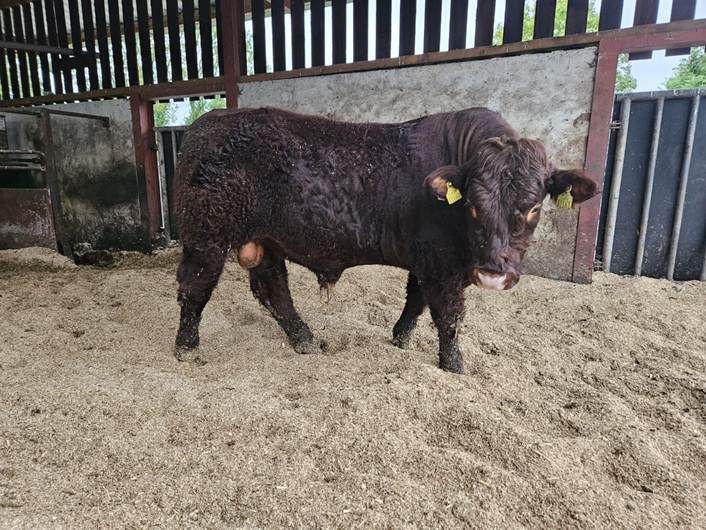
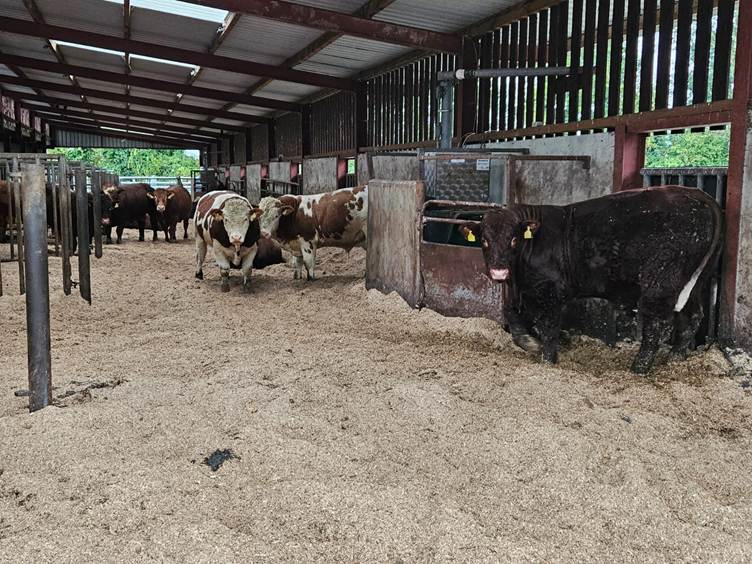
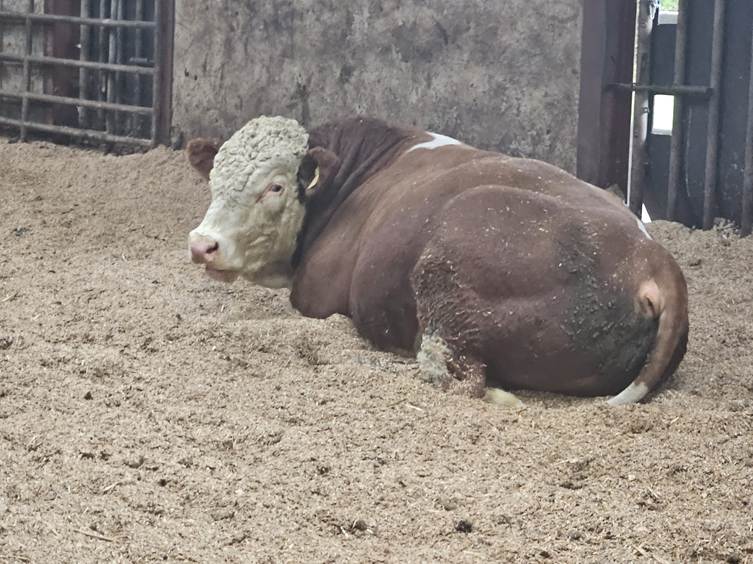
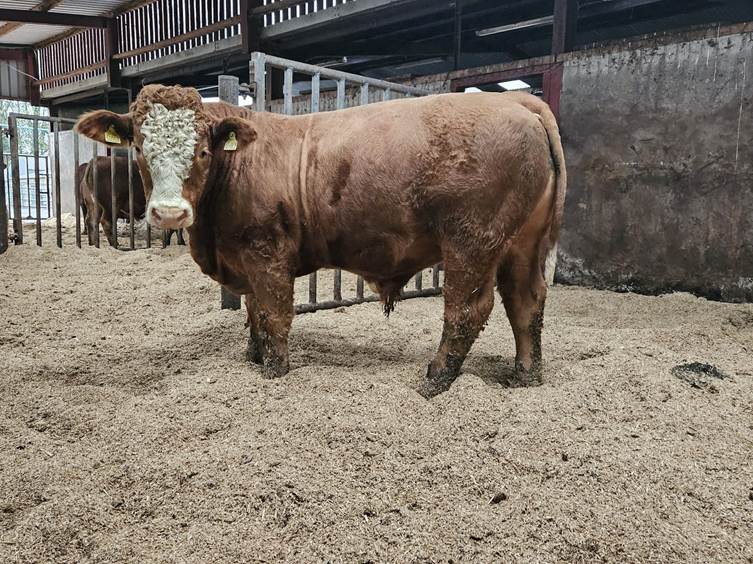
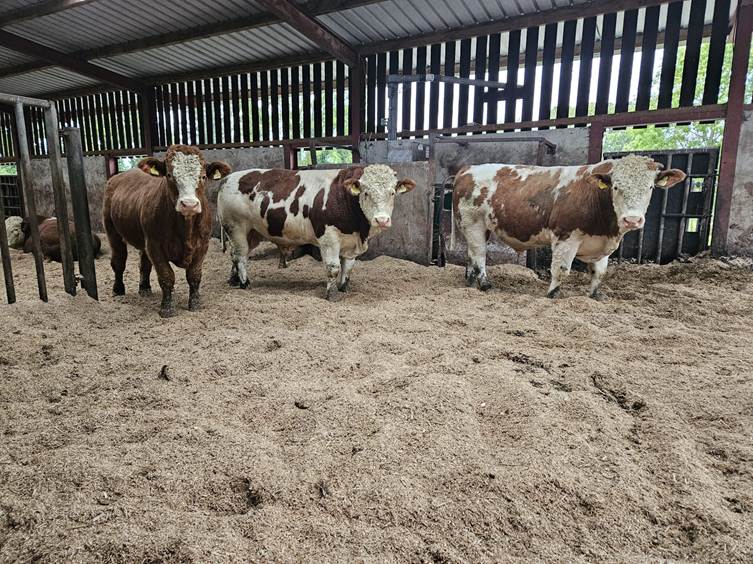
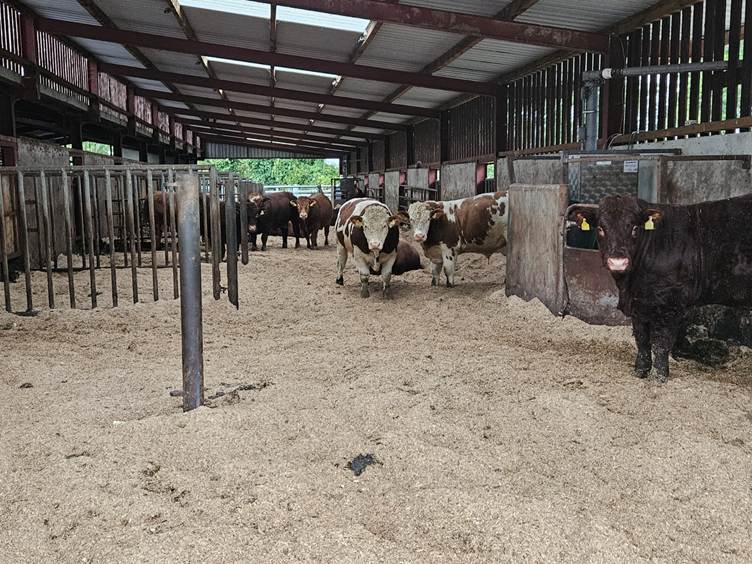
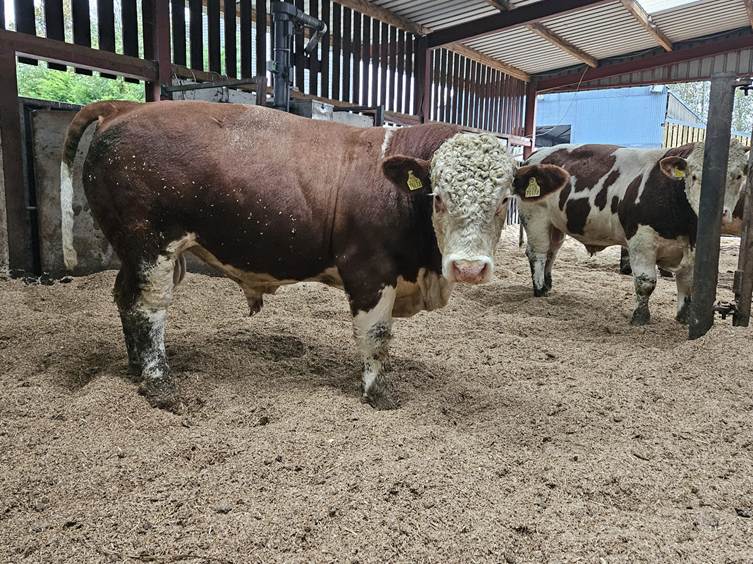
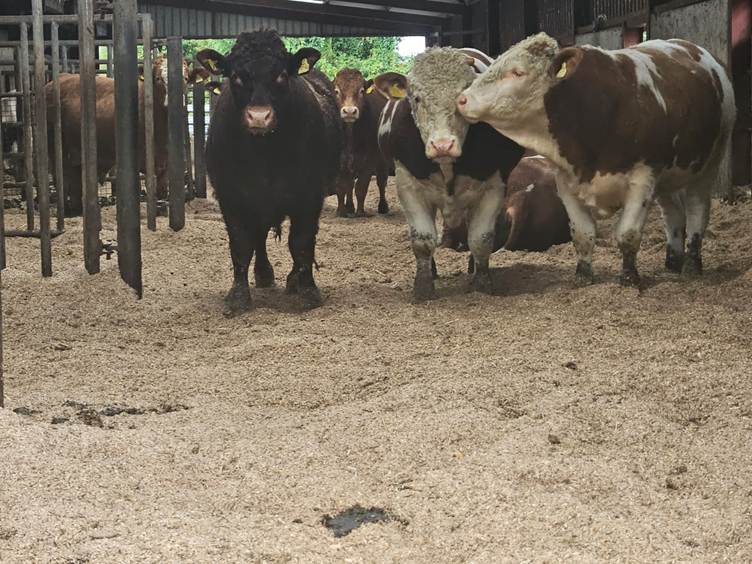
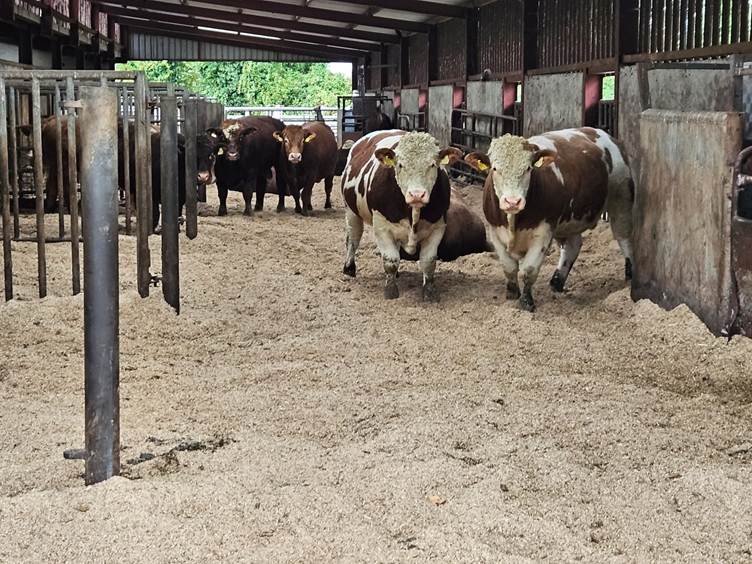
Photos of some of the animals participating in the trial.
For more information on the Tully Progeny Test Centre, see here.