
From early calf sourcing to careful finishing, John Crimmins’ system in Dunshaughlin is delivering consistent results recognised in the Beef Quality Awards.
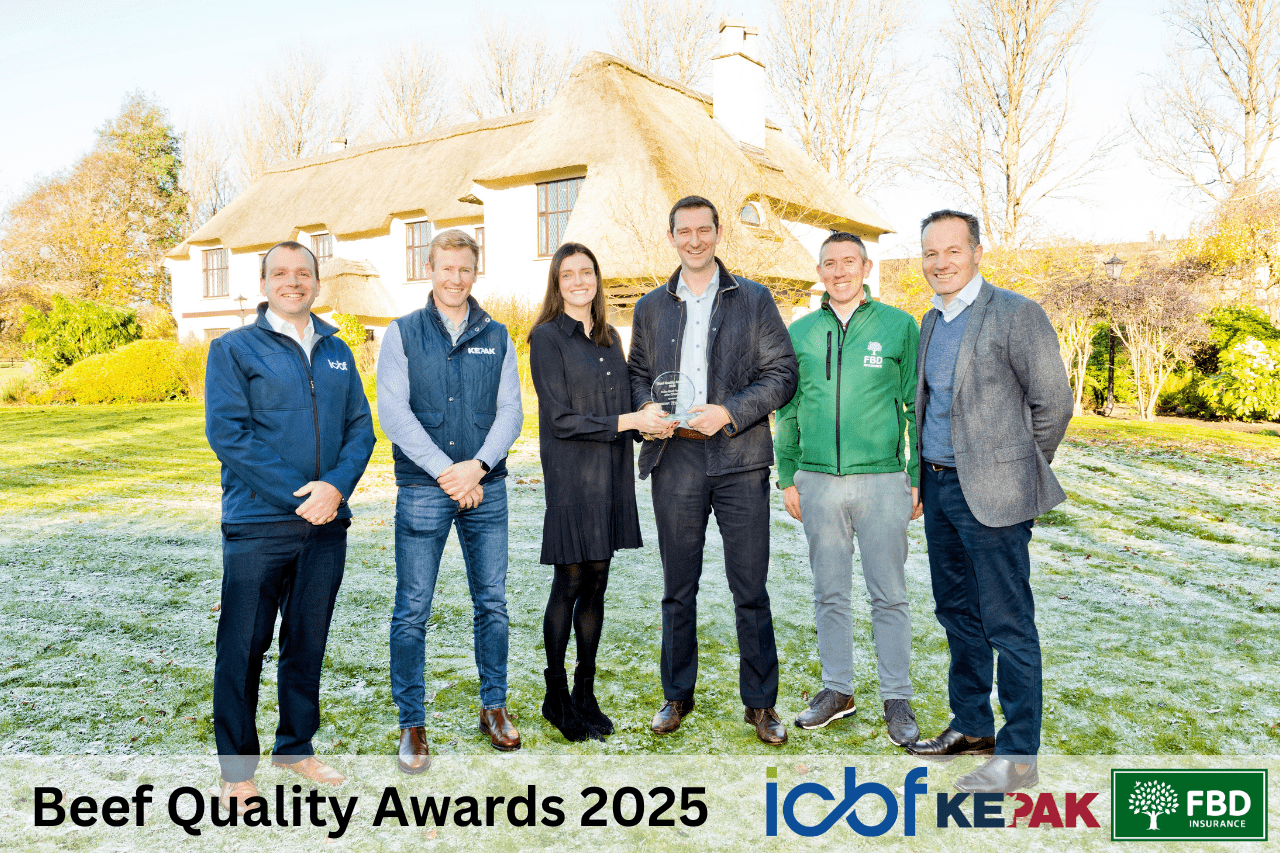
Even while working full‑time off‑farm, John Crimmins is not afraid to drive his dairy–beef enterprise forward. From Dunshaughlin, Co. Meath, John farms 165 acres—an enterprise that began with his father’s original purchase of 20 acres. Today, the farm is a well-structured dairy–beef system supported by a complementary tillage operation.
John’s strong performance and commitment to continuous improvement earned him the Dairy Beef Finisher Award for Kepak as part of the ICBF Beef Quality Awards.
The System
John has long sourced stock through the Kepak Twenty20 Club, initially buying older weanlings directly from calf rearers. While he still sources through the club, he now prefers buying reared calves at a younger age, giving him more control over early weight gain and key targets.
He typically purchases AAX, HEX and LMX calves from dairy dams and is planning to expand numbers to 200 head—100 followers and 100 finishing—once his new shed is completed.
John’s finishing goal is clear: bullocks off the farm at 25–26 months, aiming for a 340 kg carcass.
Finishing Performance
John’s finishing results for 2025 were impressive.
- Average grade: O+ 3+
- Average carcass weight: 335 kg
- Average slaughter age: 26.6 months
His top performer—a BBX bullock—killed out at 414 kg, grading R- 2+ at 26.8 months, and carried a €291 CBV (5★ dairy‑beef).
Of the 94 cattle finished, 64 had a CBV, averaging €187 (4★ dairy‑beef). John plans to give CBV greater consideration at purchase stage, recognising its value for predicting performance and managing risk.
While factory prices have strengthened, margins remain tight. With reared calves starting from €800+, high input costs and a two‑year production cycle, introduce unavoidable risk. Market uncertainty adds further complexity, reinforcing the importance of genetics and system efficiency.
Feeding Strategy & Herd Health
Calves arrive into the shed on 2.5–3 kg of meal alongside high‑quality hay or silage—an investment John feels is justified given today’s calf values. Stock are turned out to grass for the summer and return to a silage‑based diet during housing.
In the final 90–100 days, finishing bullocks receive up to 8 kg/head/day of meal to maximise daily liveweight gain.
Regular weighing is central to the system, helping John monitor performance and ensure animals are hitting targets. Herd health is managed carefully in collaboration with his vet, with dung sampling used to guide treatment decisions and help prevent antimicrobial resistance (AMR).
Kepak Twenty20 Club
Membership of the Kepak Twenty20 Club remains a cornerstone of John’s system. Along with providing a reliable calf supply, the programme offers access to a nutritionist and agronomist—support that is particularly valuable for ration formulation and managing the tillage enterprise. The factory bonus is an added advantage, rewarding practices John was already implementing. Overall, John values the structure, support and incentives the club provides.
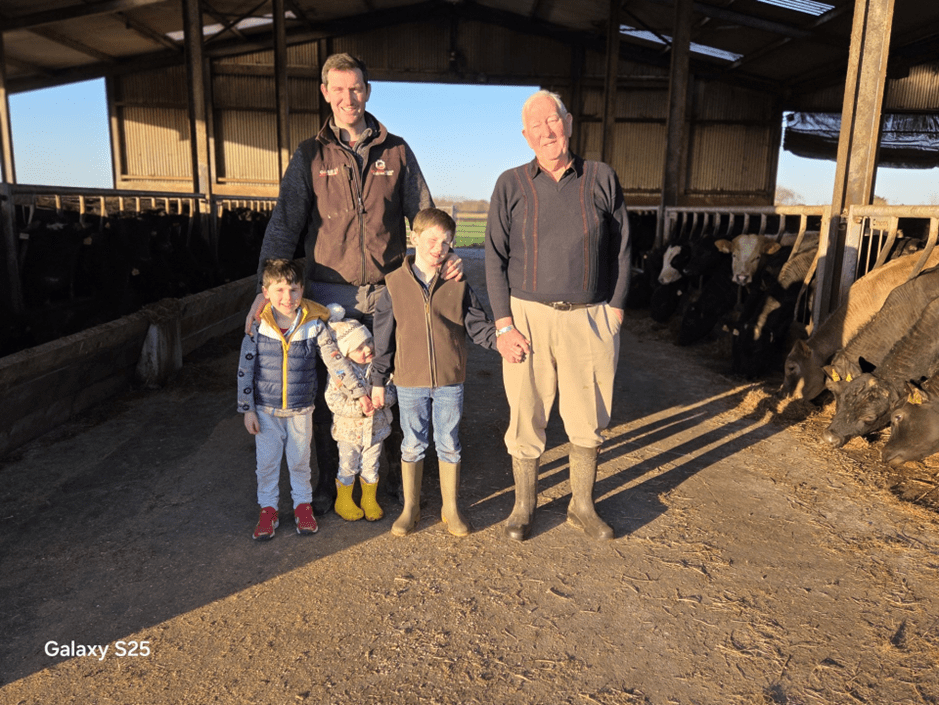
ICBF would like to congratulate John and his family on winning the 2025 Dairy Beef Farmer Finisher Award for Kepak.