
A seasoned suckler finisher whose focus on easy‑calving genetics, strong maternal cow lines and performance‑focused breeding is helping deliver reliable grading, efficient finishing and long‑term herd resilience.
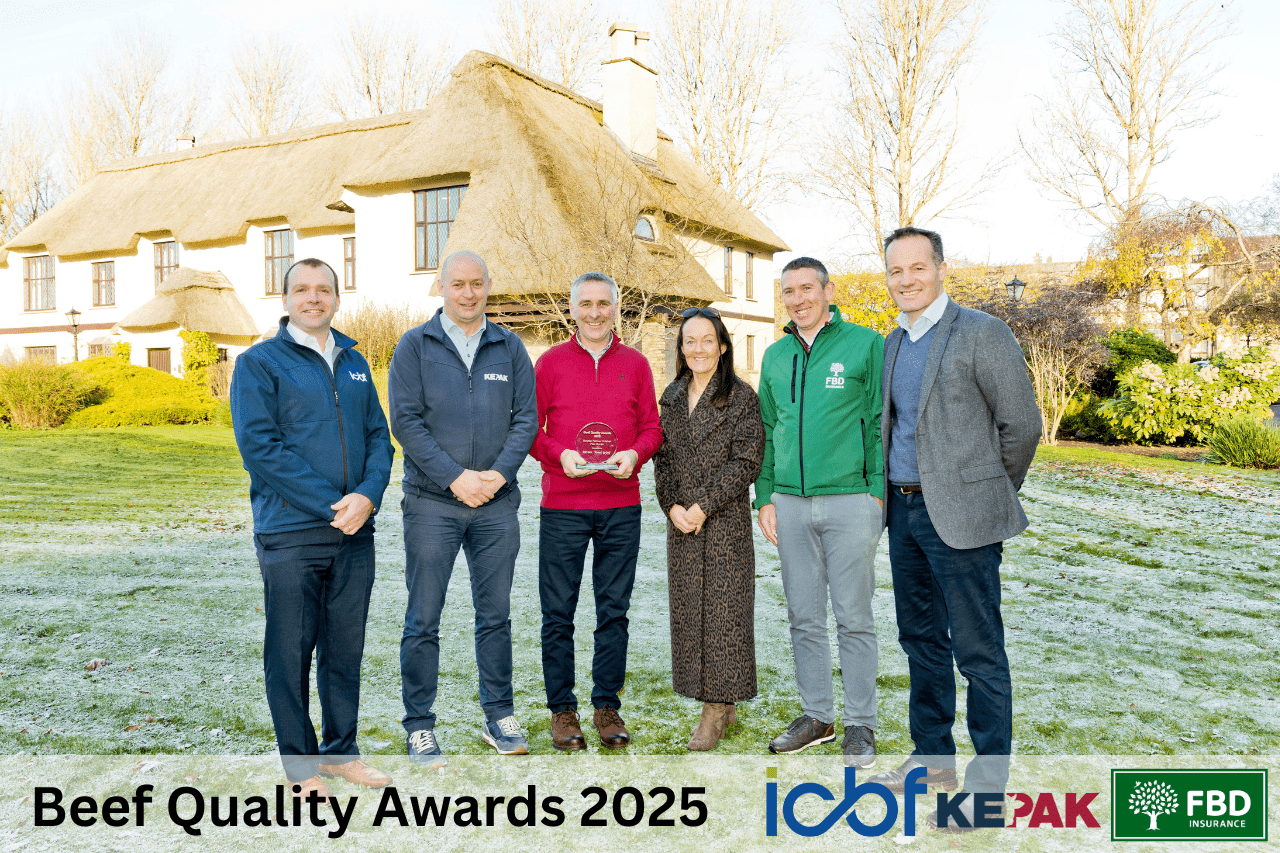
Suckler farmer Paul Ronan, based in Tyrrellstown, Co. Westmeath, was the Kepak winner of the ICBF 2025 Beef Quality Awards in the Suckler Farmer Finisher category.
For Paul, more than three decades of hands‑on suckler‑to‑beef farming have shaped a system grounded in experience, stockmanship and disciplined breeding decisions. Working across his 300‑acre enterprise, he has built a herd around the easy‑calving, functional cow lines he values — cattle capable of producing progeny that consistently finish well and meet market specification. While his system remains firmly rooted in the fundamentals he has refined over the years, integrating performance‑focused genetics has strengthened his ability to finish cattle reliably, efficiently and with consistent carcass results.
A Lifetime in Suckler‑to‑Beef Farming
Paul began farming full‑time in 1999, continuing the approach he developed alongside his father: buying store cattle, bringing them through to beef, and steadily expanding the suckler herd. What started as a 20‑cow operation has evolved into a 75–80 cow, fully suckler‑to‑beef enterprise that spans 300 acres.
His herd today consists predominantly of Limousin‑cross cows, valued for their balance of calving ease, maternal ability and carcass performance. While Charolais once played a larger role in the system, Paul has spent the past decade prioritising easy calving above all else, creating a more manageable, predictable herd.
“Make sure you have easy calving bulls,” Paul says. “I only have the odd difficult one now.”
Each year, Paul buys 10–15 replacement heifers from a long‑standing cattle dealer in Roscommon — a relationship now spanning nearly 15 years. Most replacements are Limousin crosses, with occasional Simmental or Belgian Blue depending on availability and suitability.
From Weaning to Finish: A System Based on Structure and Consistency
Paul’s rearing and finishing routine is simple, repeatable and proven. After weaning, replacements receive 2 kg of meal, transitioning to a silage‑only diet in their second winter before turnout in early April, weather allowing. Finished animals are typically sent to the factory under 30 months, with a consistent nut fed in the final stages.
The farm relies on three stock bulls, usually purchased at four years old. Paul selects bulls by eye — looking for structure, temperament and proven calving ease — but he also considers breeding stars, recognising their value in predicting future progeny performance.
This attention to genetics and animal type shows in the kill sheet:
“The grading is definitely matching up with their CBVs.”
It’s a validation of what Paul has always understood instinctively, now reinforced by data: animals with strong CBV traits deliver measurable results.
Herd Health: A Foundation for Performance
Paul’s herd health programme is deliberate and structured, designed to prevent avoidable setbacks and safeguard animal performance. He vaccinates cows for Leptospirosis, calves for IBR, and young stock for blackleg, ensuring disease risk is minimised across the system.
He complements this vaccination plan with regular dung sampling for weanlings, enabling him to stay ahead of parasite challenges. This long‑term discipline around herd health has resulted in a resilient, reliable herd that consistently delivers strong performance at finishing.
Navigating Market Pressures and Policy Challenges
As with many beef finishers, Paul has weathered years of market volatility. TB remains a constant worry, while the potential implications of the Mercosur deal create long‑term uncertainty around price stability. Land availability is also tightening locally, with parcels being taken for solar development.
Yet overall, Paul views 2025 as one of the strongest years he has had in decades.
“If beef would stay where it is now, you’d know your bottom line. It’s been tough for 30 years, so this year has been a good one.”
His partnership with Kepak, alongside disciplined management and better price consistency, has contributed to renewed optimism for the future.
Future Plans: Enhancing Land, Genetics and Long‑Term Sustainability
Looking ahead, Paul intends to continue building herd performance by increasing the amount of land he reseeds and completing the liming of the remaining half of the farm. He plans to keep sourcing strong replacement heifers annually while maintaining calving ease and cow functionality as the core pillars of his breeding strategy. Culling decisions will remain grounded in practical criteria — age, fertility, temperament or milk production — to ensure herd efficiency and reliability. Above all, Paul hopes the farm will continue into the next generation, allowing decades of work and refinement to carry forward.
A Well‑Deserved Recognition
Paul Ronan exemplifies the future of resilient beef finishing: where experience and instinct meet modern genetics.
Receiving an ICBF Beef Quality Award was unexpected says Paul.
“Delighted to get the award. Wasn’t expecting it. Nice to be recognised after 30 years farming.”
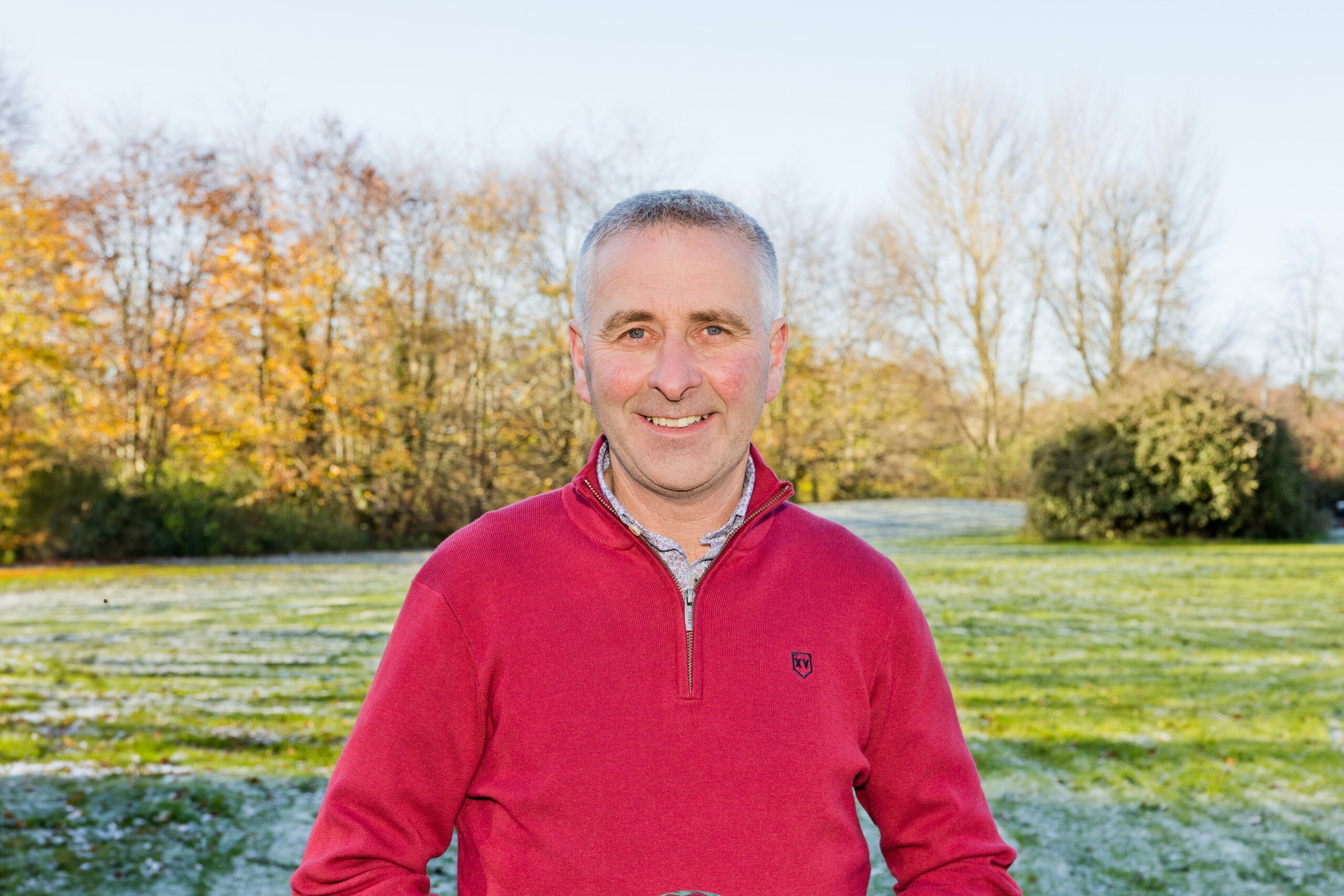
His suckler‑to‑beef system reflects a lifetime of dedication to producing high‑quality, efficient and consistently performing cattle.