
Key Messages:
- Higher CBV cattle produce heavier, more conformed carcasses
- They eat less feed and emit less methane per day
- This translates to ~€100 extra profit per animal between the top and bottom 20% for CBV
- CBV helps identify top genetics early in an animal’s life to maximise profit at finishing
Why CBV matters
The Commercial Beef Value (CBV) is designed to identify cattle that are more efficient and profitable to finish. Data collected at the ICBF Beef and Dairy Research Centre, Tully, allows this to be tested under controlled conditions, where genetics can be separated from management effects.
In simple terms, this analysis shows that selecting calves with higher CBV leads to better carcass output, lower feed costs, and higher profit at finishing.
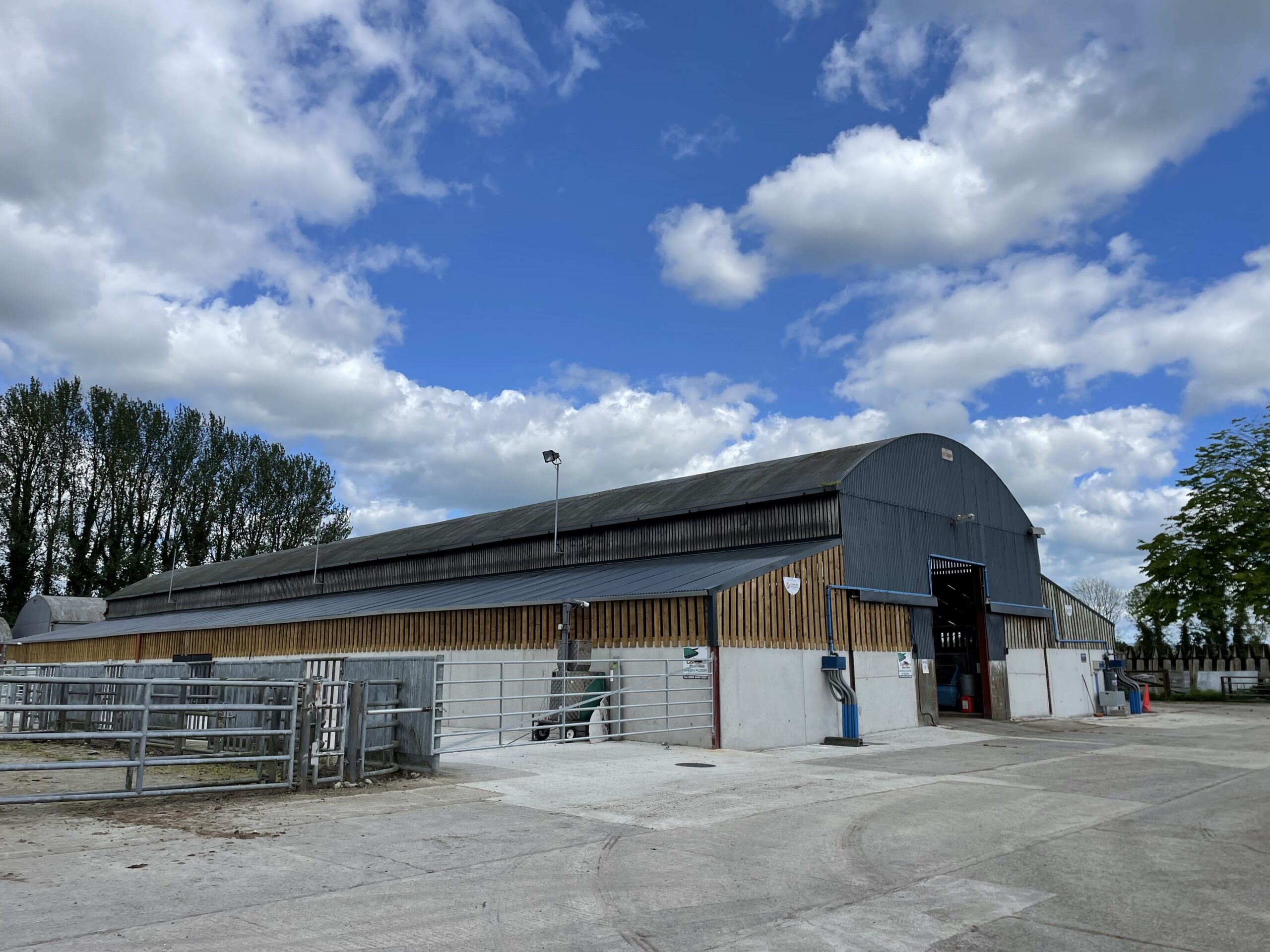
ICBF Beef and Dairy Research Centre, Tully
The ICBF Beef and Dairy Research Centre, Tully, has evolved over time to support the Irish cattle breeding industry. Since 2012, the centre has focused on testing the progeny of AI sires as part of the Beef and Dairy Gene Ireland Breeding Programme (https://www.icbf.com/gene-ireland/) and on supporting collaborative cattle research projects.
Progeny testing allows detailed performance data to be collected on traits that are difficult and expensive to measure on commercial farms. To ensure fair comparisons, cattle within each batch are managed identically, allowing genetic differences to be accurately determined.
Currently, batches of 30–50 cattle of the same sex, with a mix of breeds, enter the centre together. Each batch of animals is of a similar age to each other. Following a 2–3-week acclimatisation period, all cattle within a batch begin testing on the same day. Depending on sex and breed type, the test period lasts between 55 and 90 days.
During this period, data are collected on:
- Feed and water intake
- Liveweight gain
- Ultrasound body composition
- Linear scores
- Methane production
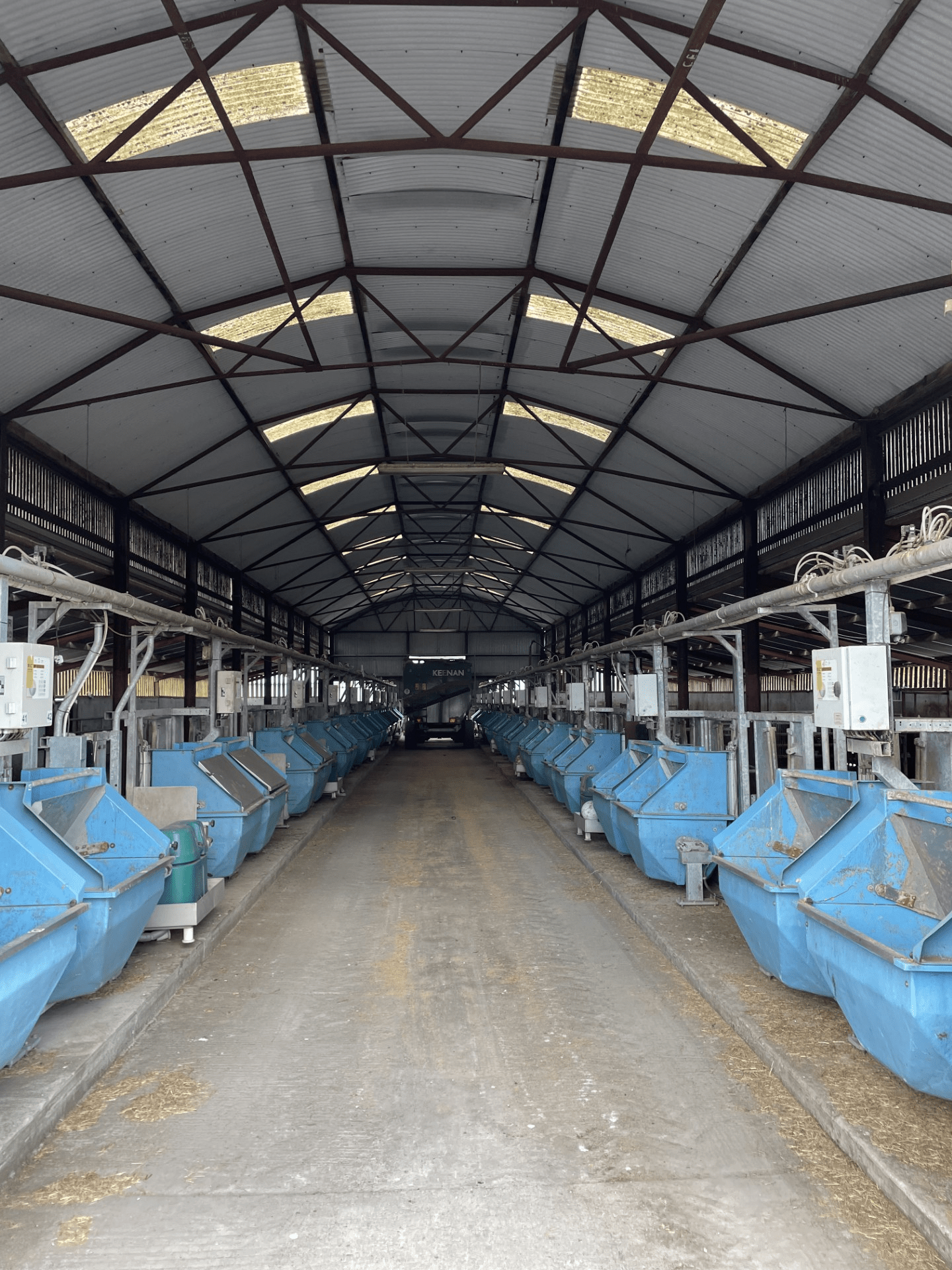
At the end of the test, all cattle in a batch are slaughtered on the same day in the same abattoir. Further detailed carcass measurements are captured from each animal, which include the weights of individual meat cuts and striploin steak samples for sensory analysis (i.e. taste testing).
CBV delivering for production efficiency
Over the years, Tully has seen several thousand cattle from hundreds of sires across a range of breeds pass through its gates. Dairy-beef heifers and steers, which are the progeny of new beef sires, make up a large proportion of the yearly cattle throughput of Tully; this is reflective of the breed-type breakdown in cattle slaughtered nationally per year. An analysis was carried out on 455 dairy‑beef cattle (153 heifers and 302 steers) tested in Tully between 2023 and 2025. To reflect the CBV information available to farmers at calf purchase, each animal’s CBV was calculated without using any of its own performance data – relying only on the performance of relatives to calculate individual CBV.
Cattle in the top and bottom 20% for CBV at birth were then compared (Table 1).
On average, cattle in the top 20% for CBV:
- Produced carcasses 12 kg heavier
- Had a one full conformation grade improvement
- Had a one grade lower fat score
- Achieved a 2.3% higher kill‑out percentage
- Ate 0.7 kg less dry matter per day
- Emitted 24 g less methane per day
There was no difference in the relationship between CBV and performance traits between heifers and steers.
Because cattle within each batch were slaughtered at similar ages, these differences are not attributable to age effects. In a commercial system, higher CBV cattle would also be expected to finish younger, further improving overall system efficiency.
What this means in practice
Higher CBV cattle tended to grow slightly more slowly and were less feed efficient per kilogram of liveweight gain. However, they were far more feed efficient per kilogram of carcass gain.
In other words, higher CBV cattle convert a greater proportion of feed into saleable carcass, rather than into lower‑value components (the “5th quarter”). This makes them more productive and carcass-efficient overall, which ultimately matters for profitability in a finishing enterprise.
Economics of CBV
When performance differences are combined with economics, the value of CBV becomes noticeably clearer.
Assuming:
- A carcass base price of €7.10/kg
- A feed cost of €300 per tonne of dry matter
- A 70‑day finishing period
Cattle in the top 20% for CBV are expected to return €106 more profit per head than those in the bottom 20%.

This figure is based only on carcass value and feed intake, which together account for almost 60% of CBV. Even so, on average, the calculated margin from actual performance differences closely matches the predicted CBV difference of €120 per animal.
For a typical dairy‑beef system purchasing and finishing 50 calves, buying calves in the top 20% for CBV instead of the bottom 20% could result in an additional €5,283 in margin, based purely on a more informed calf purchasing decision made at 2–4 weeks of age.
Summary
The detailed performance and efficiency data collected at Tully strongly validate the Commercial Beef Value. These results show that CBV is a powerful tool for identifying cattle that are more production-efficient, more profitable, and emit less methane.
At a time when calves, weanlings and stores represent a major financial investment compared to recent years, CBV stands out as an indispensable tool for farmers determined to maximise the productivity and profitability of their beef systems. CBV empowers farmers to make more informed decisions early in an animal’s life that directly translate into greater economic gains and a more resilient future for their business.